Alpaca
The Alpaca is a domesticated camelid species native to the high Andes of South America. They are closely related to llamas, but are smaller and were historically bred for their fine, soft fleece. Alpaca fiber is prized for its warmth, softness, and durability, and it comes in a wide variety of natural colors.
They are highly social and gentle animals that live in herds. The Alpaca has played a crucial role in Andean culture for thousands of years, providing not only fiber but also companionship.
They have a unique way of communicating through soft humming sounds and can be very expressive with their ears and tail.
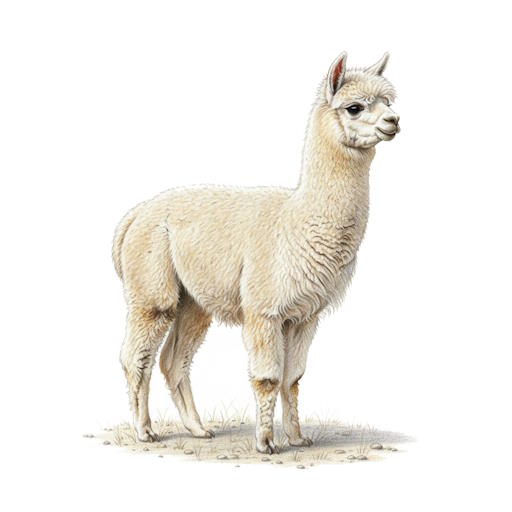
Alpaca
Classification
Mammalia > Artiodactyla > Camelidae > Vicugna > V. pacos
Native To
Conservation Status
Average Height
3 - 3.5 feet
(0.9 - 1.1 m)
Average Weight
100 - 185 lbs
(45 - 84 kg)
Average Life Span
15 - 20 years
Gestation Period
345 days
Did You Know?
The Alpaca is a domesticated species of South American camelid.
Alpacas are prized for their soft and luxurious fiber, which is warmer and lighter than sheep's wool.
They are social animals and live in herds.
Alpacas communicate through a variety of vocalizations, including humming, clucking, and shrieking.
They are native to the Andes Mountains of South America.
An Alpaca's diet consists primarily of grasses and hay.
Alpacas are known for their calm and gentle demeanor.
Photo Gallery
No images provided yet. Be the first to upload one!