Alpine Ibex
The Alpine Ibex is a species of wild goat native to the rugged mountain ranges of the European Alps. This majestic animal is known for its impressive, curved horns that can grow to be over three feet long. The Ibex is a master of its environment, with specially adapted hooves that allow it to climb steep, rocky cliffs with astonishing agility and balance.
It is perfectly camouflaged against the gray rocks and is a herbivore, feeding on grasses and small plants.
The Alpine Ibex was once on the brink of extinction due to overhunting, but a successful conservation program brought it back from the edge. It is a true symbol of resilience and a reminder of the importance of protecting our wildlife.
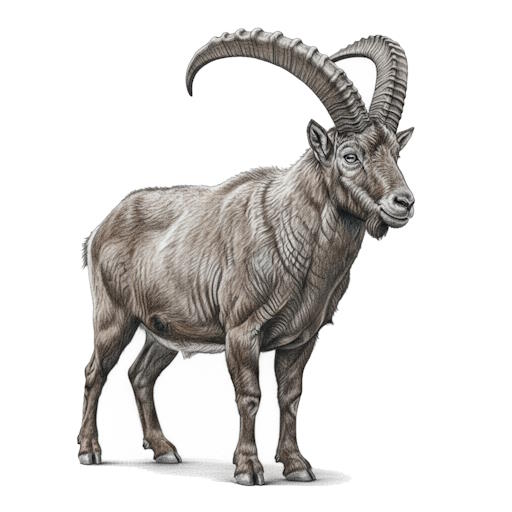
Alpine Ibex
Classification
Mammalia > Artiodactyla > Bovidae > Capra > C. ibex
Native To
Conservation Status
Average Height
2.5 - 3 feet
(0.8 - 0.9 m)
Average Weight
150 - 200 lbs
(68 - 90 kg)
Average Life Span
10 - 15 years
Gestation Period
160 - 170 days
Did You Know?
The Alpine Ibex is a wild goat species native to the European Alps.
Both male and female Alpine Ibex have horns, but the males' horns are much longer and more impressive, curving backward in a magnificent arc.
These incredible climbers are known for their agility and balance, easily navigating steep, rocky terrain.
The Alpine Ibex has a specialized hoof structure that provides excellent grip on slippery surfaces.
During the winter, Alpine Ibex grow a thick, insulating coat to protect them from the cold.
Their diet primarily consists of alpine grasses, herbs, and shrubs.
Male Alpine Ibex engage in spectacular head-butting contests during the breeding season to establish dominance.
Despite past threats, conservation efforts have successfully brought the Alpine Ibex back from the brink of extinction.
Photo Gallery
No images provided yet. Be the first to upload one!