Ancient Bison
The Ancient Bison was a massive, extinct species of bison that roamed North America during the Ice Age.
It was larger than its modern-day relative, the American Bison, and its horns were much more impressive, with a span of up to 7 feet.
The Ancient Bison was a grazer that fed on the grasses of the Ice Age plains. It is believed to have been a vital part of the Ice Age ecosystem, as its grazing helped maintain the health of the grasslands.
The Ancient Bison is believed to have become extinct around 10,000 years ago, likely due to a combination of climate change and hunting by early humans. It is a fascinating reminder of the impressive megafauna that once roamed our world.
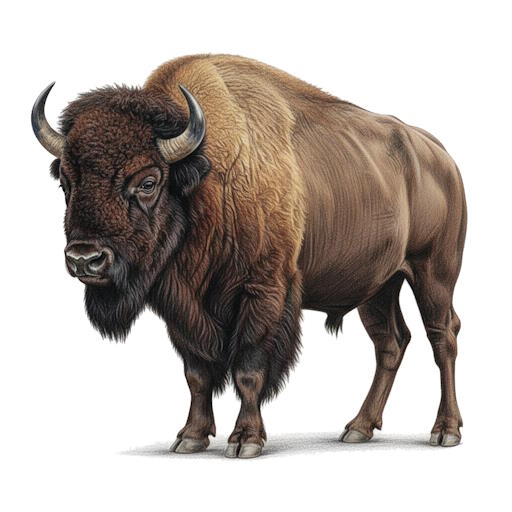
Ancient Bison
Classification
Mammalia > Artiodactyla > Bovidae > Bison > B. antiquus
Native To
Conservation Status
Average Height
6 - 7 feet
(1.8 - 2.1 m)
Average Weight
2,500 - 3,500 lbs
(1,130 - 1,590 kg)
Average Life Span
15 - 20 years
Gestation Period
285 days
Did You Know?
The Ancient Bison was a much larger ancestor of the modern bison, weighing up to 3,500 pounds!
Its horns could span over 7 feet wide, much broader than those of today's bison.
Ancient Bison roamed North America during the Ice Age, alongside mammoths and saber-toothed cats.
They were an important food source for early humans in North America.
Fossils of Ancient Bison are commonly found in tar pits and other natural traps.
Photo Gallery
No images provided yet. Be the first to upload one!