Antarctic Fur Seal
The Antarctic Fur Seal is a marine mammal native to the Southern Ocean and the Antarctic region. It is known for its thick, dense fur, which is an excellent insulator against the freezing cold waters of the Southern Ocean. Antarctic Fur Seals were once hunted to the brink of extinction for their valuable fur, but a successful conservation program has allowed their populations to rebound.
They are highly agile and graceful swimmers, and their diet consists of krill, squid, and fish. Today, they are a common sight on the sub-Antarctic islands and are a vital part of the Antarctic ecosystem.
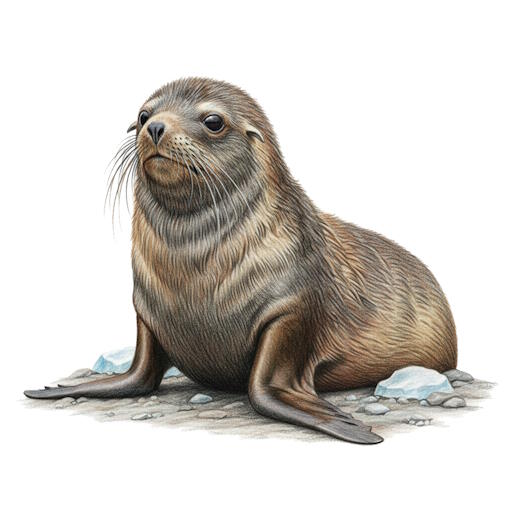
Antarctic Fur Seal
Native To
Conservation Status
Average Height
5 - 6 feet
(1.5 - 1.8 m)
Average Weight
200 - 400 lbs
(90 - 180 kg)
Average Life Span
15 - 25 years
Gestation Period
350 days
Did You Know?
The Antarctic Fur Seal is known for its incredibly dense fur, which consists of two layers: a thick underfur and longer guard hairs. This fur helps them stay warm in the icy Antarctic waters.
These seals are excellent divers and can hold their breath for extended periods, allowing them to hunt for krill, fish, and squid at impressive depths.
Antarctic Fur Seals are highly social animals and gather in large colonies, especially during the breeding season on sub-Antarctic islands.
Male Antarctic Fur Seals, called bulls, are significantly larger than females and establish territories to attract mates.
Their diet primarily consists of krill, tiny crustaceans that are abundant in the Southern Ocean, making them a crucial part of the Antarctic food web.
Pups are born with a black coat and are dependent on their mothers' milk for several months before they learn to hunt for themselves.
The population of Antarctic Fur Seals has recovered significantly since commercial sealing in the 18th and 19th centuries almost drove them to extinction.
Photo Gallery
No images provided yet. Be the first to upload one!