Atlantic Salmon
The Atlantic Salmon is a species of fish known for its incredible migratory journey. It is an anadromous fish, which means it lives in the ocean for most of its life but returns to freshwater rivers to spawn. The journey to its spawning grounds can be thousands of miles, and it must overcome a variety of obstacles, including rapids, waterfalls, and dams.
The Atlantic Salmon is a vital part of its ecosystem, as its eggs and juveniles provide food for a variety of animals. However, its numbers have been declining due to overfishing and pollution. Conservation efforts are in place to ensure the long-term survival of this remarkable fish.
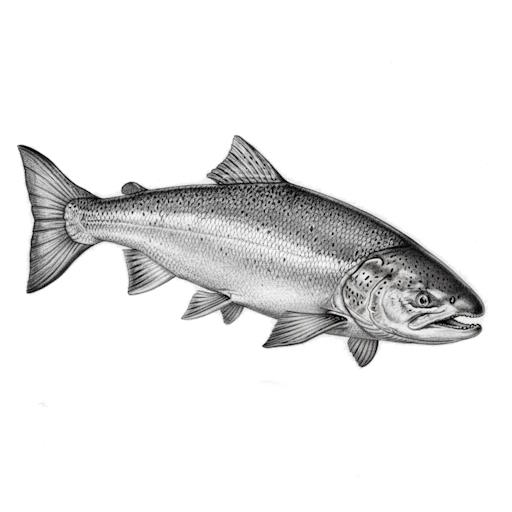
Atlantic Salmon
Classification
Actinopterygii > Salmoniformes > Salmonidae > Salmo > S. salar
Native To
Conservation Status
Average Height
2 - 3 feet
(0.6 - 0.9 m)
Average Weight
8 - 15 lbs
(3.6 - 6.8 kg)
Average Life Span
4 - 8 years
Gestation Period
60 - 70 days
Did You Know?
The Atlantic Salmon is a type of ray-finned fish in the family Salmonidae.
They are anadromous, meaning they hatch in fresh water, migrate to the ocean, and then return to fresh water to reproduce.
Atlantic Salmon can jump up waterfalls and other obstacles over 12 feet high to reach their spawning grounds.
Young Atlantic Salmon are called "parr" and have distinctive vertical stripes for camouflage.
The color of Atlantic Salmon's flesh comes from pigments they ingest in their diet, like astaxanthin from crustaceans.
Photo Gallery
No images provided yet. Be the first to upload one!