Beaver
The Beaver is a large, semi-aquatic rodent native to North America and Eurasia. It is known for its incredible ability to build dams and lodges.
Beavers are true engineers of the waterways, capable of creating complex and extensive dams that can transform a small stream into a large wetland. These wetlands provide vital habitats for a wide variety of other animals, including fish, birds, and amphibians.
The Beaver's diet consists of the bark and cambium of trees, which it fells with its powerful teeth. The Beaver is a keystone species, and its presence is an indicator of a healthy and diverse ecosystem.
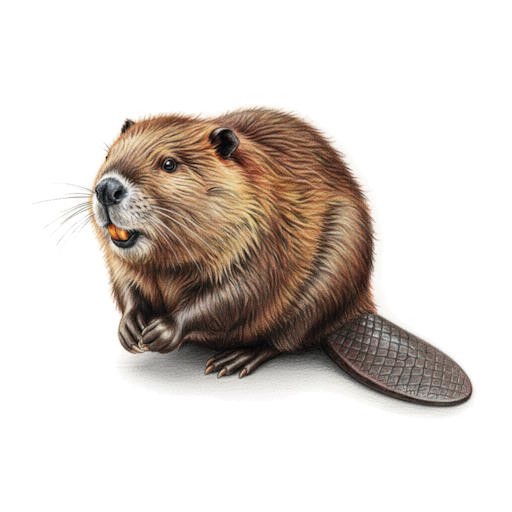
Beaver
Classification
Mammalia > Rodentia > Castoridae > Castor > C. canadensis
Native To
Conservation Status
Average Height
2.5 - 3 feet
(0.8 - 0.9 m)
Average Weight
35 - 65 lbs
(16 - 29 kg)
Average Life Span
10 - 15 years
Gestation Period
107 days
Did You Know?
The Beaver is the second-largest rodent in the world.
Beavers are known for their incredible ability to build dams and lodges.
Their strong teeth continuously grow and they use them to gnaw down trees.
Beavers have a broad, flat tail that acts like a rudder in the water and a prop on land.
They can hold their breath for up to 15 minutes underwater.
Beavers are nocturnal animals, meaning they are most active at night.
Photo Gallery
No images provided yet. Be the first to upload one!