Black-tailed Prairie Dog
The Black-tailed Prairie Dog is a species of rodent native to the grasslands of North America. It is a highly social animal that lives in large, complex colonies called "towns." These towns can cover hundreds of acres and are made up of an intricate network of burrows and tunnels.
The Black-tailed Prairie Dog is a keystone species, as its presence helps to create and maintain habitats for a wide variety of other animals, including the critically endangered Black-footed Ferret. However, its numbers have been declining due to habitat loss and eradication programs.
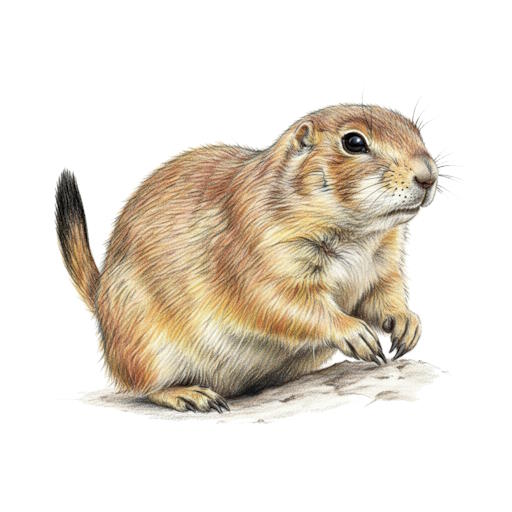
Black-tailed Prairie Dog
Native To
Conservation Status
Average Height
1 - 1.5 feet
(0.3 - 0.5 m)
Average Weight
2 - 3 lbs
(0.9 - 1.4 kg)
Average Life Span
3 - 5 years
Gestation Period
30 - 35 days
Did You Know?
The Black-tailed Prairie Dog is a highly social animal, living in large colonies called "towns" that can span hundreds of acres.
They communicate through a complex system of barks, chirps, and yips, which can warn others of predators or identify individual prairie dogs.
Black-tailed Prairie Dogs are ecosystem engineers; their burrowing activity aerates the soil and creates habitat for other species, like burrowing owls and black-footed ferrets.
Their diet primarily consists of grasses and other vegetation, and they play a crucial role in maintaining grassland ecosystems.
They are known for their "kissing" behavior, which is a form of recognition and greeting between individuals within the colony.
Photo Gallery
No images provided yet. Be the first to upload one!