Bullfrog
The Bullfrog is the largest frog species in North America, known for its deep, resonating call that can be heard for long distances. They are found in a variety of freshwater habitats, including ponds, lakes, and marshes.
Bullfrogs are opportunistic and voracious predators that will eat almost anything that fits in their mouth, including insects, fish, small mammals, and even other frogs. They are known for their powerful back legs, which allow them to make incredible leaps to escape predators.
The bullfrog is a vital part of its ecosystem, but it can also be an invasive species in some areas, as its large size and powerful appetite can outcompete native species.
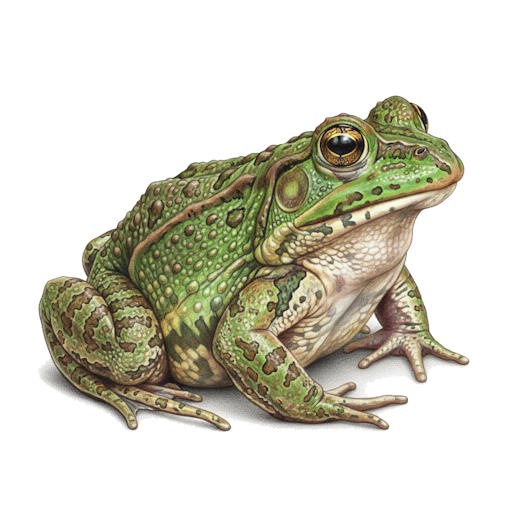
Bullfrog
Native To
Conservation Status
Average Height
6 - 8 inches
(15 - 20 cm)
Average Weight
1 - 1.5 lbs
(0.5 - 0.7 kg)
Average Life Span
7 - 9 years
Gestation Period
2 - 3 days
Diet
Carnivore (insects, crayfish, small vertebrates)
Social Structure
Solitary
Biomes
(And Habitats)
Did You Know?
The Bullfrog is the largest frog in North America, with some individuals growing over 8 inches long.
They are known for their loud, low-pitched call, which sounds like "jug-o-rum" and can be heard from a long distance.
Bullfrogs are opportunistic predators and will eat almost anything they can fit in their mouths, including insects, fish, small mammals, and even other frogs.
Their powerful legs allow them to jump long distances, making them excellent hunters and escape artists.
Bullfrogs spend most of their lives in or near water, preferring ponds, lakes, and slow-moving rivers.
Photo Gallery
No images provided yet. Be the first to upload one!