Giant Otter
The Giant Otter is a large and social otter native to the rivers of South America. It is the largest species of otter in the world, with a body length of up to 6 feet.
The Giant Otter is a highly social animal that lives in large family groups. It is known for its unique vocalizations, which include a series of chirps and hoots.
The Giant Otter is a powerful and agile swimmer, and its diet consists of a variety of fish, crustaceans, and other small animals.
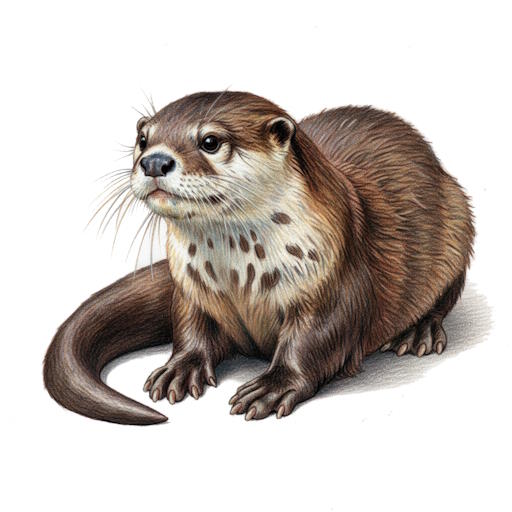
Giant Otter
Classification
Mammalia > Carnivora > Mustelidae > Pteronura > P. brasiliensis
Native To
Conservation Status
Average Height
4 - 6 feet
(1.2 - 1.8 m)
Average Weight
30 - 60 lbs
(14 - 27 kg)
Average Life Span
10 - 15 years
Gestation Period
65 - 70 days
Did You Know?
The Giant Otter is the longest member of the weasel family, growing up to 5.6 feet long, not including its tail!
They are highly social animals and live in family groups of up to 20 individuals.
Giant Otters are excellent swimmers and hunters, using their webbed feet and powerful tails to catch fish, their primary food source.
They are very vocal and have a wide range of calls, including barks, screams, and hums.
Giant Otters are found in South American rainforests, primarily in the Amazon River basin.
Sadly, Giant Otters are endangered due to habitat loss and poaching.
Photo Gallery
No images provided yet. Be the first to upload one!