Giant Salamander
The Giant Salamander is a massive species of salamander native to the rivers and streams of China and Japan. It is the largest living amphibian in the world.
The Giant Salamander is a nocturnal and semi-aquatic animal that spends most of its time under rocks in the river. It is a carnivore that feeds on a variety of animals, including fish, crayfish, and other small invertebrates. The Giant Salamander is a critically endangered species, with its numbers declining due to pollution and habitat loss.
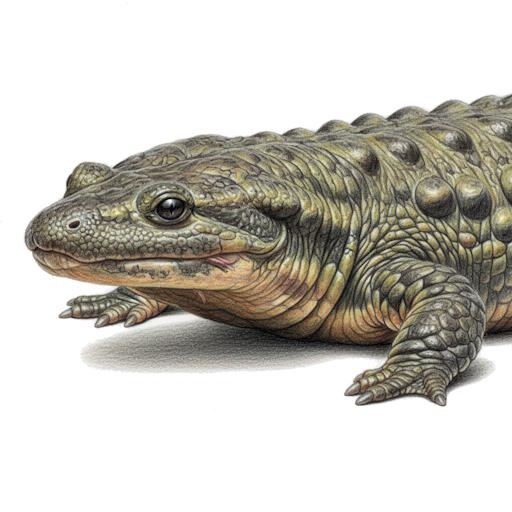
Giant Salamander
Classification
Amphibia > Caudata > Cryptobranchidae > Andrias > A. davidianus
Native To
Conservation Status
Average Height
3 - 5 feet
(0.9 - 1.5 m)
Average Weight
50 - 110 lbs
(23 - 50 kg)
Average Life Span
60 - 80 years
Gestation Period
2 - 3 months
Did You Know?
The Giant Salamander is the largest amphibian in the world, with some species growing over 5 feet long!
They are found in cool, clear rivers and streams in parts of Asia and North America.
Giant Salamanders have poor eyesight but excellent senses of smell and touch to help them hunt in murky water.
They can live for over 50 years.
Giant Salamanders breathe through their skin, which is covered in folds to increase surface area for oxygen absorption.
They are nocturnal predators, mainly eating fish, frogs, and crustaceans.
Sadly, many species of Giant Salamanders are endangered due to habitat loss and pollution.
Photo Gallery
No images provided yet. Be the first to upload one!