Iberian Lynx
The Iberian Lynx (Lynx pardinus) is a wild cat species native to the Iberian Peninsula in Europe. It is the world's most endangered feline and a symbol of conservation success.
The Iberian Lynx is smaller than other lynx species and has a distinctly spotted coat, which helps it blend in with its scrubland habitat. Its diet is highly specialized, consisting almost exclusively of rabbits. This reliance on a single food source makes them particularly vulnerable to declines in the rabbit population. The species was on the brink of extinction in the early 2000s, but intensive conservation programs, including captive breeding and reintroduction, have brought them back from the edge.
The Iberian Lynx is now a symbol of hope for wildlife conservation, showing that dedicated efforts can reverse the fortunes of even the most threatened species.
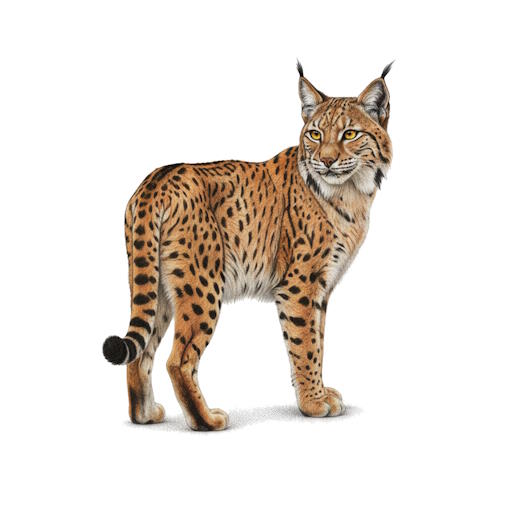
Iberian Lynx
Native To
Conservation Status
Average Height
1.5 - 2 feet
(0.4 - 0.6 m)
Average Weight
20 - 30 lbs
(9 - 14 kg)
Average Life Span
10 - 15 years
Gestation Period
60 days
Did You Know?
The Iberian Lynx is one of the world's most endangered cat species.
They are found only in specific areas of Spain and Portugal.
The Iberian Lynx primarily preys on rabbits, which make up a large portion of their diet.
They have distinctive tufted ears and a "beard" of fur around their face.
Conservation efforts have helped their population slowly increase.
Iberian Lynx kittens are born in dens and are highly dependent on their mother.
Photo Gallery
No images provided yet. Be the first to upload one!