Indian Giant Squirrel
The Indian Giant Squirrel (Ratufa indica) is a large, brightly colored tree squirrel species native to the forests of India. It is a sight to behold, with a multicolored coat that can be a striking mix of maroon, orange, black, and brown. Unlike its smaller, more common cousins, this squirrel can grow up to 36 inches in length, including its long, bushy tail.
The Indian Giant Squirrel spends its entire life in the forest canopy, rarely descending to the ground. It uses its powerful claws to grip branches and its long tail for balance as it leaps between trees. It builds large, globe-shaped nests out of twigs and leaves, often referred to as "dreys." Its diet consists primarily of fruits, nuts, and insects, and it plays an important role in seed dispersal within its ecosystem.
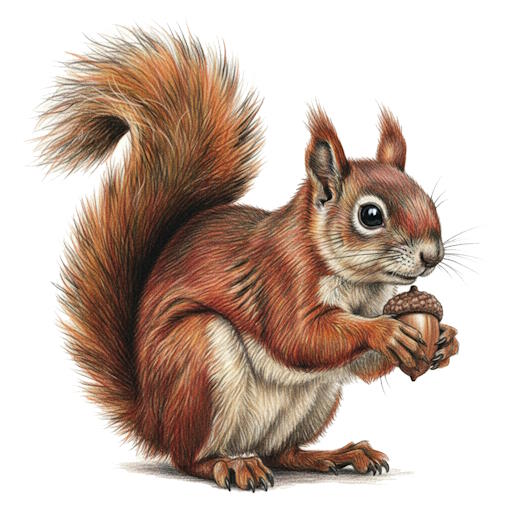
Indian Giant Squirrel
Native To
Conservation Status
Average Height
1.5 - 2 feet
(0.5 - 0.6 m)
Average Weight
3 - 4 lbs
(1.4 - 1.8 kg)
Average Life Span
10 - 15 years
Gestation Period
28 days
Did You Know?
The Indian Giant Squirrel is one of the largest squirrels in the world, with a head and body length of up to 18 inches and a tail that can be even longer!
They are known for their vibrant, multi-colored fur, which can include shades of maroon, brown, orange, and cream, helping them blend in with their forest canopy home.
Indian Giant Squirrels are arboreal, meaning they spend most of their lives in trees, rarely coming down to the ground.
They build large, globular nests called "dreys" out of twigs and leaves, often in the fork of a tree.
Their diet primarily consists of fruits, nuts, insects, and bird eggs.
When threatened, the Indian Giant Squirrel will often freeze or flatten itself against a tree trunk to avoid detection.
Photo Gallery
No images provided yet. Be the first to upload one!