Indian Rhinoceros
The Indian Rhinoceros (Rhinoceros unicornis) is a large, herbivorous mammal native to the Indian subcontinent. It is also known as the Greater One-Horned Rhinoceros, a fitting name for the world's largest rhino species, with a single, prominent horn on its snout.
The Indian Rhino is easily recognizable by its thick, gray skin that is folded into plates, giving it an armor-plated appearance. These folds are not a solid shield but rather a series of tough skin that allows it to move freely. They are semi-aquatic, spending a lot of time in water and wallowing in mud to cool down and protect themselves from insects.
Once on the brink of extinction due to poaching for their horns, the Indian Rhinoceros is now a remarkable conservation success story. Thanks to strict protection and management, its population has grown significantly, though it remains a vulnerable species.
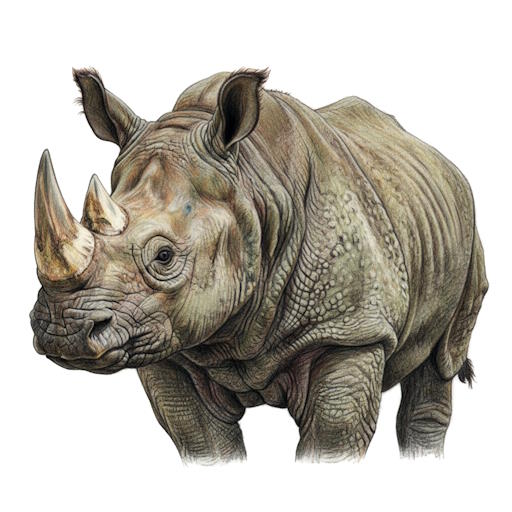
Indian Rhinoceros
Classification
Mammalia > Perissodactyla > Rhinocerotidae > Rhinoceros > R. unicornis
Native To
Conservation Status
Average Height
5 - 6 feet
(1.5 - 1.8 m)
Average Weight
4,000 - 5,000 lbs
(1,800 - 2,270 kg)
Average Life Span
40 - 50 years
Gestation Period
450 - 480 days
Did You Know?
The Indian Rhinoceros, also known as the greater one-horned rhinoceros, has a single horn and a thick, armor-like skin.
They are excellent swimmers and often spend time in water to cool down and remove parasites.
Indian Rhinoceroses are herbivores, primarily eating grasses, leaves, fruits, and branches.
Despite their large size, they can run surprisingly fast, reaching speeds of up to 34 miles per hour (55 km/h).
Each Indian Rhinoceros has a unique skin fold pattern, much like a human fingerprint.
Photo Gallery
No images provided yet. Be the first to upload one!