Leopard Seal
The Leopard Seal (Hydrurga leptonyx) is a large and powerful seal species found in the freezing waters of the Antarctic. It is the second-largest seal species and is a formidable apex predator, known for its sleek body and a massive, reptilian head with powerful jaws.
The Leopard Seal is a solitary hunter, preying on a variety of animals, including penguins, other seals, and fish. It has a unique hunting style, often stalking its prey from below the ice and using its long, sharp teeth to rip and tear.
The Leopard Seal's name comes from the spotted pattern on its coat. It is a crucial part of the Antarctic ecosystem, helping to regulate the populations of penguins and other marine life.
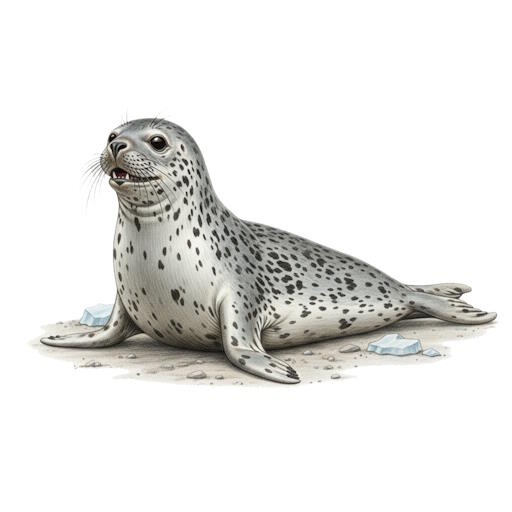
Leopard Seal
Native To
Conservation Status
Average Height
10 - 12 feet
(3 - 3.7 m)
Average Weight
600 - 1,000 lbs
(270 - 450 kg)
Average Life Span
12 - 15 years
Gestation Period
240 days
Did You Know?
The Leopard Seal is a large, powerful predator found in the Antarctic and sub-Antarctic waters.
They are known for their distinctive spotted coats, which give them their name.
Leopard Seals have long, sharp teeth and powerful jaws, enabling them to hunt a wide variety of prey, including penguins, other seals, and fish.
They are solitary animals and spend most of their lives in the water.
Leopard Seals are incredibly agile swimmers and can reach speeds of up to 23 miles per hour (37 km/h).
Photo Gallery
No images provided yet. Be the first to upload one!