Lesser Sheath-tailed Bat
The Lesser Sheath-tailed Bat (Emballonura monticola) is a small species of bat native to Southeast Asia. It gets its name from the unique way its tail protrudes from a sheath of membrane, rather than being free. This "tail pouch" is a unique feature of the Emballonuridae family.
The Lesser Sheath-tailed Bat is a nocturnal and insectivorous species, using echolocation to navigate and hunt for insects in the forest. They often roost in caves or rock crevices, forming small colonies.
This bat species plays an important role in controlling insect populations and is a fascinating example of the diversity and unique adaptations of bats.
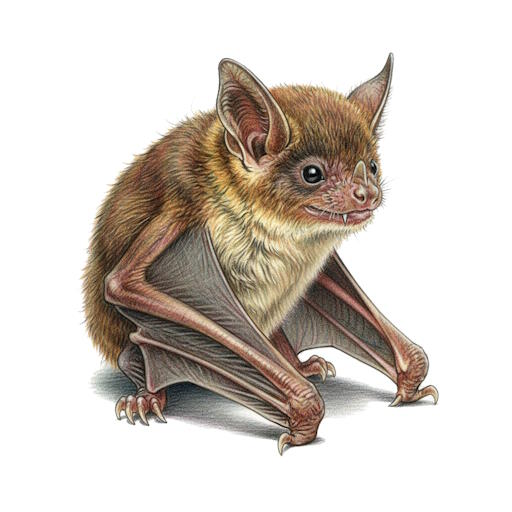
Lesser Sheath-tailed Bat
Classification
Mammalia > Chiroptera > Emballonuridae > Chaerephon > C. nigeriae
Native To
Conservation Status
Average Height
3 - 4 inches
(8 - 10 cm)
Average Weight
0.5 - 1 oz
(14 - 28 g)
Average Life Span
5 - 8 years
Gestation Period
60 - 70 days
Did You Know?
The Lesser Sheath-tailed Bat is a small bat species found in Southeast Asia.
They get their name from a unique pouch or "sheath" on their tail membrane.
These bats are insectivores, meaning they primarily eat insects caught during flight.
Lesser Sheath-tailed Bats often roost in caves, rock crevices, or hollow trees.
They are nocturnal, emerging at dusk to forage for food.
Photo Gallery
No images provided yet. Be the first to upload one!