Llama
The Llama (Lama glama) is a domesticated species of South American camelid, native to the Andes Mountains. It is a close relative of the alpaca and the guanaco.
Llamas are social animals that live in herds. They are primarily used as pack animals, carrying goods and supplies across the rugged terrain of the Andes.
Llamas are known for their docile nature, though they can be quite stubborn and will refuse to move if they feel they are overloaded. They have a reputation for spitting, a behavior they use to establish dominance within the herd and to show disapproval.
The Llama has been a vital part of Andean culture for centuries, providing meat, wool, and transportation.
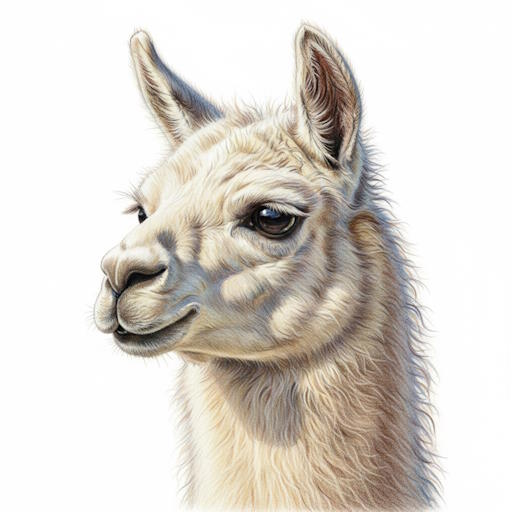
Llama
Classification
Mammalia > Artiodactyla > Camelidae > Lama > L. glama
Native To
Conservation Status
Average Height
4 - 5 feet
(1.2 - 1.5 m)
Average Weight
250 - 450 lbs
(113 - 204 kg)
Average Life Span
15 - 25 years
Gestation Period
350 days
Did You Know?
The Llama is a domesticated South American camelid, widely used as a pack animal.
They are known for their calm and gentle demeanor, but can sometimes spit when feeling threatened or annoyed.
Llamas have a long lifespan, typically living for 15 to 25 years.
Their wool is soft and lanolin-free, making it a popular fiber for clothing.
Llamas are social animals and prefer to live in herds.
They communicate through a variety of sounds, including a humming noise and a loud alarm call.
Llamas have a three-chambered stomach, which helps them digest tough plant material.
They are excellent guardians for livestock, protecting sheep and goats from predators.
Photo Gallery
No images provided yet. Be the first to upload one!