Manatee
The Manatee (Trichechus) is a large, herbivorous marine mammal native to coastal waters of the Americas and Africa. It is also known as a "sea cow."
Manatees are slow-moving and gentle creatures. They are herbivores, grazing on a variety of seagrasses and other aquatic vegetation.
Manatees are a vulnerable species, facing threats from boat collisions, habitat loss, and pollution. Conservation efforts, including the establishment of protected areas and a reduction in boat speed limits, are crucial to the survival of these peaceful giants.
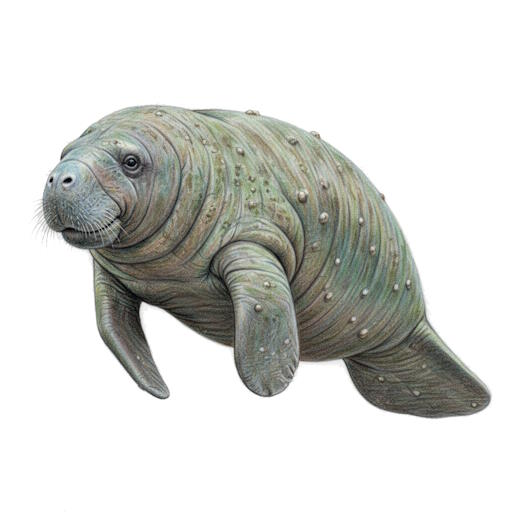
Manatee
Classification
Mammalia > Sirenia > Trichechidae > Trichechus > T. manatus
Native To
Conservation Status
Average Height
9 - 10 feet
(2.7 - 3 m)
Average Weight
800 - 1,200 lbs
(360 - 540 kg)
Average Life Span
40 - 60 years
Gestation Period
365 days
Did You Know?
The Manatee is a large, gentle marine mammal sometimes called a "sea cow."
They are herbivores and primarily eat seagrass, munching for up to 8 hours a day!
Manatees can hold their breath for up to 20 minutes underwater.
They have very poor eyesight, but excellent hearing.
Manatees are often found in warm, shallow coastal waters and rivers.
A group of Manatees is called an aggregation.
They can grow up to 13 feet long and weigh over 3,000 pounds.
Photo Gallery
No images provided yet. Be the first to upload one!