Rhinoceros
The Rhinoceros, or rhino, is a large, herbivorous mammal with a distinctive horn on its snout. There are five species of rhinoceros: the White Rhino, Black Rhino, Indian Rhino, Javan Rhino, and Sumatran Rhino. Each species has a unique set of characteristics, from the two horns of the African rhinos to the single horn of the Indian rhino.
Rhinos are found in Africa and Asia, and they play a vital role in their ecosystems as large herbivores that shape the landscape. Unfortunately, all five species are facing significant threats, primarily from poaching for their horns, which are used in traditional medicine and as a status symbol. This illegal trade has pushed several species to the brink of extinction, with the Javan and Sumatran rhinos being critically endangered. Dedicated conservation efforts, including anti-poaching patrols and captive breeding programs, are underway to protect these magnificent animals.
The rhinoceros is a powerful symbol of the fight against wildlife crime and the importance of conservation. The future of the rhino depends on continued efforts to protect it from illegal poaching and habitat loss.
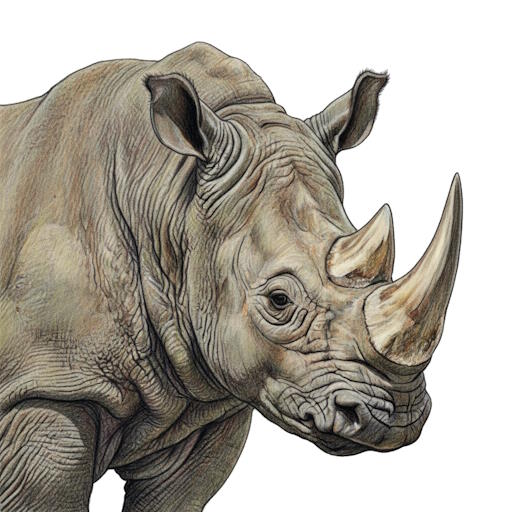
Rhinoceros
Classification
Mammalia > Perissodactyla > Rhinocerotidae > Rhinoceros > R. unicornis
Conservation Status
Average Height
5 - 6 feet
(1.5 - 1.8 m)
Average Weight
2,000 - 5,000 lbs
(900 - 2,270 kg)
Average Life Span
40 - 50 years
Gestation Period
450 - 480 days
Did You Know?
The Rhinoceros is one of the largest land mammals.
There are five different species of Rhinoceros, and all of them are endangered.
A group of rhinoceroses is called a "crash".
Rhinoceroses are herbivores and eat mostly grass and leaves.
Their horns are made of keratin, the same material as human fingernails.
Rhinoceroses have poor eyesight but an excellent sense of smell and hearing.
Photo Gallery
No images provided yet. Be the first to upload one!