Roe Deer
The Roe Deer Capreolus capreolus is a small and graceful deer species native to Europe and parts of Asia. It is one of the smallest of the European deer species, known for its reddish-brown summer coat and grayish-brown winter coat. Males, known as bucks, have short, upright antlers that they shed each year. Unlike many other deer species, Roe Deer are generally solitary or live in small family groups. They are most active at dawn and dusk, a period known as crepuscular activity.
Roe Deer are browsers, feeding on leaves, buds, shoots, and berries. They are highly adaptable and can be found in a variety of habitats, including forests, woodlands, and agricultural areas. During the breeding season, bucks become highly territorial and engage in chases and fights with rivals.
The Roe Deer is a common and widespread species, and its populations are generally stable.
The Roe Deer's elegance and secretive nature make it a symbol of the quiet beauty of the European countryside.
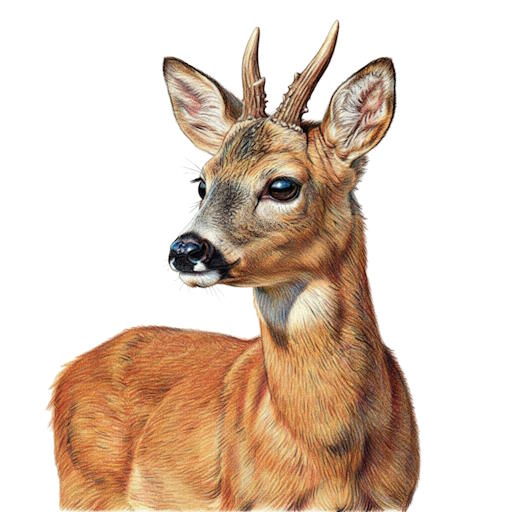
Roe Deer
Classification
Mammalia > Artiodactyla > Cervidae > Capreolus > C. capreolus
Native To
Conservation Status
Average Height
2 - 2.5 feet
(0.6 - 0.8 m)
Average Weight
40 - 70 lbs
(18 - 32 kg)
Average Life Span
10 - 12 years
Gestation Period
290 - 300 days
Did You Know?
The Roe Deer is a small, graceful deer species native to Europe and parts of Asia.
Males grow small antlers, which they shed and regrow each year.
Roe Deer are primarily browsers, feeding on leaves, buds, shoots, and berries.
They are known for their distinctive "roe deer bark," a sharp alarm call.
Roe Deer are excellent jumpers and can clear obstacles with ease.
They are often seen in agricultural areas and woodlands.
Fawns are born with white spots, which help them camouflage in tall grass.
Photo Gallery
No images provided yet. Be the first to upload one!