Ross Seal
The Ross Seal Ommatophoca rossii is a species of earless seal native to the Antarctic region. It is one of the rarest and least studied of all seals, spending most of its life in the dense pack ice of the Southern Ocean.
The Ross Seal is smaller than other Antarctic seals and is known for its unique appearance, which includes a short head and a wrinkled neck. It is also known for its unusual vocalizations, which are often described as a series of high-pitched chirps and trills. These calls are thought to be used for communication and to find a mate.
The Ross Seal's diet consists mainly of squid, krill, and small fish. Due to its remote and inaccessible habitat, little is known about its population and behavior.
The Ross Seal is an important part of the Antarctic ecosystem, but it is vulnerable to the effects of climate change, which is causing the pack ice to melt. The Ross Seal is a mysterious and fascinating animal, a true symbol of the unexplored depths of the Antarctic.
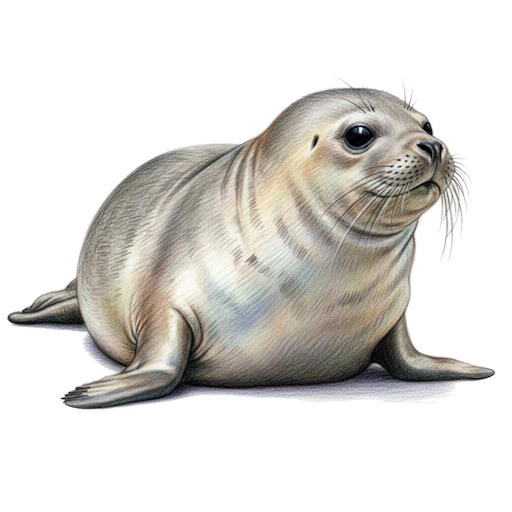
Ross Seal
Native To
Conservation Status
Average Height
6 - 8 feet
(1.8 - 2.4 m)
Average Weight
400 - 600 lbs
(180 - 270 kg)
Average Life Span
15 - 20 years
Gestation Period
330 days
Did You Know?
The Ross Seal is one of the least known and studied seal species, primarily inhabiting the pack ice around Antarctica.
They have an unusual, almost cat-like face, with large eyes that help them see in dim light underwater.
Ross Seals are known for their unique, melodious vocalizations, which include trills and siren-like sounds.
Their diet mainly consists of squid and fish.
Unlike many other seals, Ross Seals are quite solitary and are rarely seen in large groups.
They have relatively long foreflippers, which they use to propel themselves through the water.
Photo Gallery
No images provided yet. Be the first to upload one!