Saiga Antelope
The Saiga Antelope Saiga tatarica is a critically endangered antelope species native to the steppes of Eurasia. It is instantly recognizable by its large, downward-pointing nose, which is known as a "proboscis". This unique nose is an adaptation to the cold, dusty environment in which it lives; it helps to filter out dust in the summer and warm up cold air in the winter.
Saiga Antelopes are known for their massive migrations, often traveling in large herds over hundreds of miles in search of food and water. Their diet consists of grasses and shrubs.
Saiga Antelopes are a symbol of the wild steppes, but their populations have faced a series of catastrophic events, including a mysterious disease that killed over 200,000 individuals in 2015. They are also threatened by poaching for their horns, which are used in traditional medicine. Conservation efforts are underway to protect the remaining populations and to understand the causes of the recent mass die-offs. The Saiga Antelope is a powerful reminder of the fragility of species and the importance of global conservation efforts.
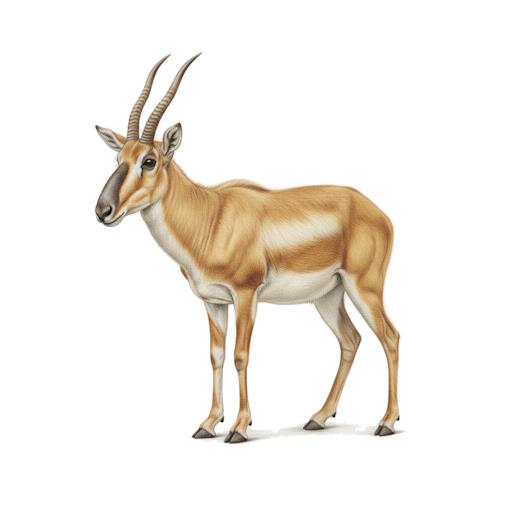
Saiga Antelope
Classification
Mammalia > Artiodactyla > Bovidae > Saiga > S. tatarica
Conservation Status
Average Height
2 - 2.5 feet
(0.6 - 0.8 m)
Average Weight
60 - 110 lbs
(27 - 50 kg)
Average Life Span
6 - 10 years
Gestation Period
140 - 150 days
Did You Know?
The Saiga Antelope is known for its distinctive, oversized, bulbous nose, which helps filter dust in the summer and warm cold air in the winter.
They are critically endangered, with their population dramatically reduced due to poaching and habitat loss.
Saiga Antelopes are nomadic, constantly moving across the steppes of Central Asia in search of food.
They can run incredibly fast, reaching speeds of up to 50 miles per hour (80 km/h).
Both male and female Saiga Antelopes have horns, though the males' horns are much larger and highly prized.
They play an important role in their ecosystem as grazers, helping to maintain the health of the grasslands.
Female Saiga Antelopes typically give birth to twins.
Their diet consists mainly of grasses, herbs, and lichens.
Photo Gallery
No images provided yet. Be the first to upload one!