Samoan Flying Fox
The Samoan Flying Fox Pteropus samoensis is a species of fruit bat native to the islands of Samoa, Fiji, and American Samoa. It is one of the largest flying foxes, with a wingspan of up to three feet.
The Samoan Flying Fox is known for its fox-like face, with large eyes and a pointed snout.
Unlike most bats, which are nocturnal, the Samoan Flying Fox is primarily diurnal, meaning it is active during the day. It feeds on fruits, flowers, and nectar.
The Samoan Flying Fox is a crucial part of its ecosystem, acting as an important pollinator and seed disperser for many native plants.
Unfortunately, the Samoan Flying Fox is a critically endangered species. Its populations have been decimated by habitat loss, hunting, and a series of devastating hurricanes that have destroyed its forest habitat. Conservation efforts are underway to protect the remaining populations and to raise awareness about the importance of this unique animal.
The Samoan Flying Fox is a symbol of the fragile and unique biodiversity of the Pacific Islands.
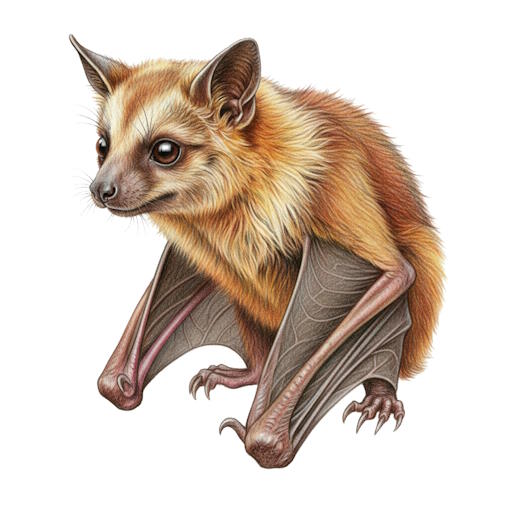
Samoan Flying Fox
Classification
Mammalia > Chiroptera > Pteropodidae > Pteropus > P. samoensis
Native To
Conservation Status
Average Height
2 - 3 feet
(0.6 - 0.9 m)
Average Weight
1 - 1.5 lbs
(0.5 - 0.7 kg)
Average Life Span
10 - 15 years
Gestation Period
150 days
Did You Know?
The Samoan Flying Fox is a large fruit bat native to the islands of Samoa, Fiji, and the Cook Islands.
Unlike many bats, they are active during the day, making them easier to spot.
Samoan Flying Foxes play a crucial role in their ecosystem by pollinating flowers and dispersing seeds as they feed on fruits and nectar.
They have a wingspan that can reach up to 3 feet (0.9 meters)!
These bats are highly social and often roost in large colonies in trees.
Their fur can range in color from golden brown to black.
Sadly, the Samoan Flying Fox is an endangered species, primarily due to habitat loss and hunting.
Photo Gallery
No images provided yet. Be the first to upload one!