Sea Otter
The Sea Otter Enhydra lutris is a marine mammal native to the coasts of the North Pacific Ocean. It is the heaviest member of the weasel family, and it is known for its thick, dense fur, which is the densest of any mammal. This fur is what keeps the Sea Otter warm in the cold ocean waters.
Sea Otters are known for their intelligence and their use of tools. They often use rocks to crack open the shells of crabs, clams, and sea urchins. Sea Otters play a vital role in their ecosystem as a "keystone species". They prey on sea urchins, which in turn helps to protect the kelp forests from being overgrazed. The kelp forests provide a crucial habitat for many other marine species.
The Sea Otter's population was decimated in the past by hunting for its valuable fur, but thanks to conservation efforts, its numbers have recovered in many areas.
The Sea Otter is a beloved and important part of the coastal ecosystem, a true symbol of a healthy and balanced ocean.
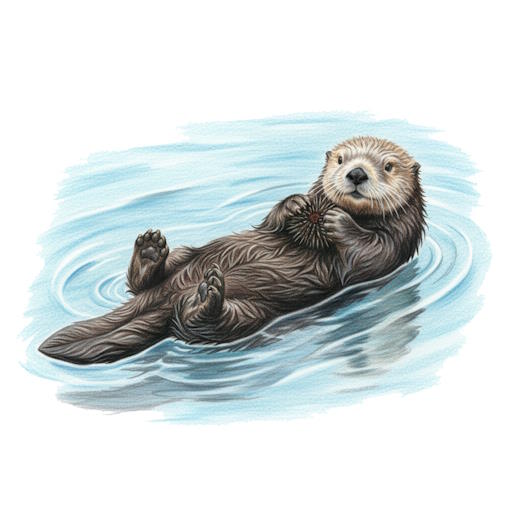
Sea Otter
Classification
Mammalia > Carnivora > Mustelidae > Enhydra > E. lutris
Native To
Conservation Status
Average Height
3 - 4 feet
(0.9 - 1.2 m)
Average Weight
30 - 100 lbs
(13.6 - 45 kg)
Average Life Span
10 - 23 years
Gestation Period
120 - 150 days
Did You Know?
The Sea Otter is the smallest marine mammal in North America.
They are known for holding hands while they sleep so they don't drift apart.
Sea Otters have the densest fur of any animal, with up to a million hairs per square inch, which helps them stay warm in cold water.
They use rocks as tools to crack open shellfish.
Sea Otters eat up to 25% of their body weight in food each day to maintain their high metabolism and stay warm.
They can live for up to 23 years in the wild.
Sea Otters play a vital role in their ecosystem by controlling sea urchin populations, which helps maintain healthy kelp forests.
Photo Gallery
No images provided yet. Be the first to upload one!