Serow
The Serow Capricornis is a genus of goat-antelopes native to the mountains and forests of Asia. There are several species of serow, including the Himalayan Serow and the Japanese Serow. Serows are known for their shaggy, dark coat, small, conical horns, and long, pointed ears. They are solitary and territorial animals, living in the rugged, mountainous terrain of the Himalayas and other mountain ranges.
Serows are excellent climbers and can navigate steep, rocky cliffs with ease. Their diet consists of leaves, shoots, and grasses. Serows are a vulnerable species, facing threats from hunting and habitat loss. They are a true symbol of the wild, untamed mountains of Asia, and their secretive nature makes them a fascinating animal to study.
The Serow's presence is a reminder of the rich and unique biodiversity of the mountain ecosystems of Asia.
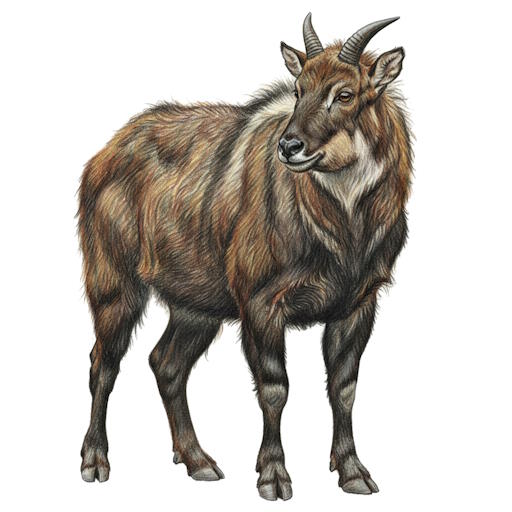
Serow
Classification
Mammalia > Artiodactyla > Bovidae > Capricornis > C. sumatraensis
Native To
Conservation Status
Average Height
3 - 3.5 feet
(0.9 - 1.1 m)
Average Weight
150 - 200 lbs
(68 - 90 kg)
Average Life Span
10 - 15 years
Gestation Period
210 - 220 days
Did You Know?
The Serow is a goat-like mammal found in the mountains of Asia.
They are known for their thick, shaggy coats and their short, backward-curving horns.
Serows are incredibly agile and can navigate steep, rocky terrain with ease.
They are solitary animals, typically only seen alone or in small family groups.
Their diet consists of a variety of plants, including grasses, leaves, and twigs.
Serows have glands near their eyes that produce a musky scent, which they use to mark their territory.
They are excellent swimmers and will readily enter water to escape predators.
Photo Gallery
No images provided yet. Be the first to upload one!