Siberian Tiger
The Siberian Tiger Panthera tigris altaica, also known as the Amur Tiger, is the largest living feline species. Native to the frigid forests of eastern Russia and northeastern China, it is known for its immense size and thick coat, which helps it to survive in the cold climate.
The Siberian Tiger is a solitary and powerful hunter, preying on large mammals such as wild boar, deer, and elk. It is a master of camouflage, with its striped coat blending in with the shadows of the forest. The Siberian Tiger is a critically endangered species, with only a few hundred individuals remaining in the wild. Its population has been decimated by poaching for its fur and body parts, as well as habitat loss. Dedicated conservation efforts are underway to protect the remaining tigers and their habitat.
The Siberian Tiger is a true symbol of the wild, untamed wilderness of Siberia and a powerful reminder of the importance of global conservation efforts.
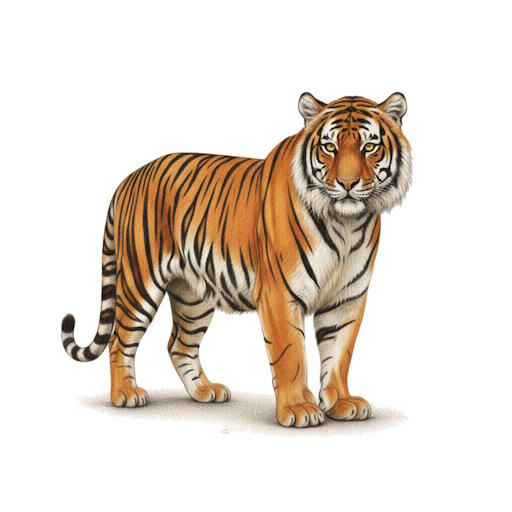
Siberian Tiger
Conservation Status
Average Height
3 - 4 feet
(0.9 - 1.2 m)
Average Weight
350 - 500 lbs
(160 - 227 kg)
Average Life Span
10 - 15 years
Gestation Period
100 - 106 days
Did You Know?
The Siberian Tiger is the largest cat in the world.
They live in the snowy forests of Russia's Far East.
Each Siberian Tiger has a unique stripe pattern, like fingerprints.
They are solitary animals and excellent hunters.
Siberian Tigers can run up to 50 miles per hour!
Their thick fur helps them stay warm in very cold temperatures.
They are an endangered species, with only a few hundred left in the wild.
Photo Gallery
No images provided yet. Be the first to upload one!