Wapiti
The Wapiti Cervus canadensis, also known as the Elk, is a large deer species native to North America and East Asia. It is one of the largest deer species in the world, with a large, stocky body and a light-colored rump.
The male Wapiti, or bull, has impressive, branched antlers that can be up to 4 feet in length. The Wapiti is famous for its majestic bugling calls, which are a series of high-pitched whistles and grunts that are used to attract a mate and to challenge rivals. The Wapiti is a social animal that lives in herds. Its diet consists of a wide variety of grasses, leaves, and bark.
The Wapiti is a true icon of the American West and a powerful symbol of the wild, untamed wilderness.
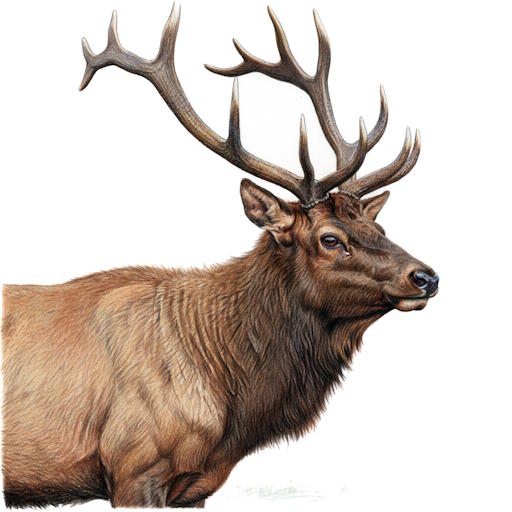
Wapiti
Classification
Mammalia > Artiodactyla > Cervidae > Cervus > C. canadensis
Native To
Conservation Status
Average Height
4 - 5 feet
(1.2 - 1.5 m)
Average Weight
700 - 1,000 lbs
(318 - 454 kg)
Average Life Span
10 - 13 years
Gestation Period
240 - 262 days
Did You Know?
The Wapiti, also known as the elk, is one of the largest species of deer in the world.
Male Wapiti grow impressive antlers that can span up to 4 feet wide and are shed annually.
They are highly social animals and live in herds, often led by a dominant female.
Wapiti communicate using a variety of sounds, including bugles, which are particularly common during the mating season.
Their diet primarily consists of grasses, plants, leaves, and bark.
They are excellent swimmers and can cross rivers and lakes.
Wapiti play an important role in their ecosystem by grazing and helping to shape the landscape.
Their powerful legs allow them to run at speeds up to 45 miles per hour.
Young Wapiti, called calves, are born with spots that help them camouflage in the tall grass.
Photo Gallery
No images provided yet. Be the first to upload one!