Weddell Seal
The Weddell Seal Leptonychotes weddellii is a large species of seal native to the Antarctic region. It is the southernmost breeding mammal in the world and is known for its ability to live in the extreme cold.
The Weddell Seal is a true master of adaptation, capable of holding its breath for over 80 minutes and diving to depths of over 2,000 feet in search of food. Its diet consists of a wide variety of fish and other marine invertebrates.
The Weddell Seal is known for its unique dental habits; it uses its canine and incisor teeth to chew through the ice to create and maintain breathing holes.
The Weddell Seal's impressive adaptations and its life in the extreme cold make it a fascinating and important animal of the Antarctic.
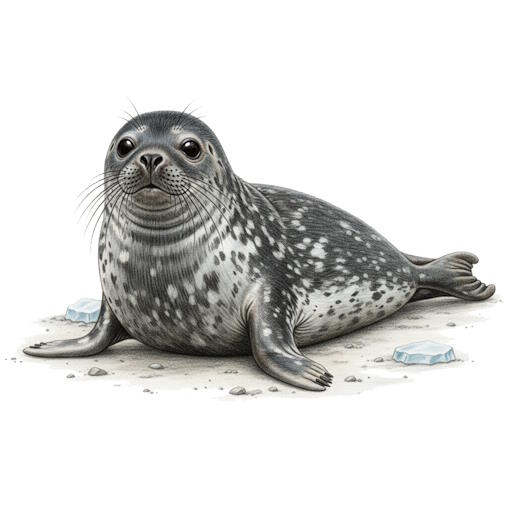
Weddell Seal
Native To
Conservation Status
Average Height
8 - 10 feet
(2.4 - 3 m)
Average Weight
800 - 1,000 lbs
(360 - 450 kg)
Average Life Span
15 - 20 years
Gestation Period
330 days
Did You Know?
The Weddell Seal can dive deeper and stay underwater longer than any other seal, holding its breath for up to 80 minutes!
They have incredible adaptations for life in the Antarctic, including special blood that stores a lot of oxygen and flexible ribs that allow their lungs to collapse during deep dives.
Weddell Seals use their strong teeth to gnaw holes in the ice so they can breathe and access fishing grounds, often creating and maintaining several breathing holes.
Female Weddell Seals often give birth on the ice, and their pups grow very quickly, thanks to their mother's rich milk.
They communicate with a variety of vocalizations, including trills, chirps, and whistles, which can travel through the ice and water.
Weddell Seals are known for being quite tolerant of humans, especially when they are resting on the ice.
Photo Gallery
No images provided yet. Be the first to upload one!