Zebra
The Zebra Equus is a genus of equines, or horse-like animals, that are native to Africa. There are three species of zebra: the Plains Zebra, the Mountain Zebra, and the Grevy's Zebra.
Zebras are known for their iconic black and white striped coats. The function of the stripes is still a subject of debate, but it is believed to be used for camouflage, to confuse predators, and to deter biting flies.
Zebras are highly social animals that live in herds. The Zebra is a herbivore, feeding on a wide variety of grasses and other plants. Zebras are a crucial part of their ecosystem, as they are a primary food source for a variety of predators, including lions and hyenas.
The Zebra's unique stripes and its social behavior make it a true icon of the African savanna.
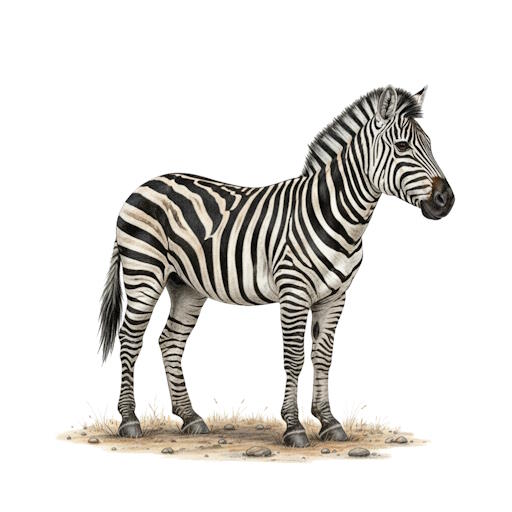
Zebra
Classification
Mammalia > Perissodactyla > Equidae > Equus > E. quagga
Native To
Conservation Status
Average Height
4 - 5 feet
(1.2 - 1.5 m)
Average Weight
440 - 990 lbs
(200 - 450 kg)
Average Life Span
20 - 30 years
Gestation Period
360 - 390 days
Did You Know?
Every Zebra has a unique pattern of stripes, just like human fingerprints!
Zebras are herbivores and primarily eat grasses.
They live in herds, and their stripes may help confuse predators when they run together.
Zebras communicate through various sounds, including barking, braying, and snorting.
They are native to Africa and can be found in grasslands, savannas, and woodlands.
A baby Zebra is called a foal.
Photo Gallery
No images provided yet. Be the first to upload one!