Artificial/Cultivated
The Artificial/Cultivated biome, also known as anthropogenic biomes or anthromes, represents landscapes significantly shaped and managed by human activity. Unlike natural biomes defined by climate and natural vegetation, this biome encompasses areas where human influence is the dominant ecological force. From sprawling agricultural fields to bustling urban centers, these environments are a testament to our species' ability to transform the planet.
What Defines an Artificial/Cultivated Biome?
This biome is characterized by human interventions that modify natural ecosystems for specific purposes. Key features include:
- Agriculture: Vast areas are dedicated to farming, including crop cultivation (farmlands, orchards, vineyards) and livestock rearing (pastures, ranches). These systems often involve monocultures, irrigation, and the use of fertilizers and pesticides.
- Urban and Suburban Areas: Cities, towns, and their surrounding suburbs are densely populated areas with extensive infrastructure like buildings, roads, and utilities. Green spaces within these areas, such as parks and gardens, are typically managed.
- Infrastructure: Bridges, dams, canals, and other engineered structures dramatically alter natural habitats and create new ones, influencing water flow, landforms, and species distribution.
- Managed Forests and Hedgerows: Forests can be cultivated for timber or other resources, and hedgerows are often planted to define boundaries or provide windbreaks, creating distinct habitats within agricultural landscapes.
- Reduced Biodiversity (Often): While some species thrive in human-modified environments, overall biodiversity is generally lower compared to natural biomes, particularly in areas of intensive agriculture or urbanization.
- Altered Nutrient Cycles: Human activities significantly impact nutrient cycles through the application of fertilizers, waste disposal, and industrial processes.
Importance and Impact of Artificial/Cultivated Biomes
Artificial/Cultivated biomes are crucial for human survival, providing food, shelter, and resources. However, they also come with significant environmental impacts:
- Food Production: Agricultural lands are the primary source of food for the global population.
- Resource Extraction: Cultivated forests provide timber and other products.
- Habitat Loss and Fragmentation: Expansion of this biome leads to the destruction and fragmentation of natural habitats, threatening countless species.
- Pollution: Agricultural runoff, industrial emissions, and urban waste contribute to air, water, and soil pollution.
- Climate Change: Activities within this biome, such as deforestation and industrial processes, are major contributors to greenhouse gas emissions.
Understanding the dynamics of Artificial/Cultivated biomes is essential for sustainable development, balancing human needs with environmental protection to create more harmonious and resilient landscapes for the future.
Other Biomes
There are lots of other biomes to explore. Check out all of our biomes for more info.
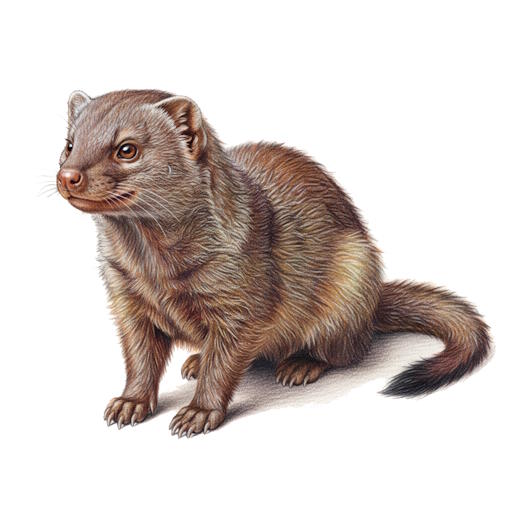
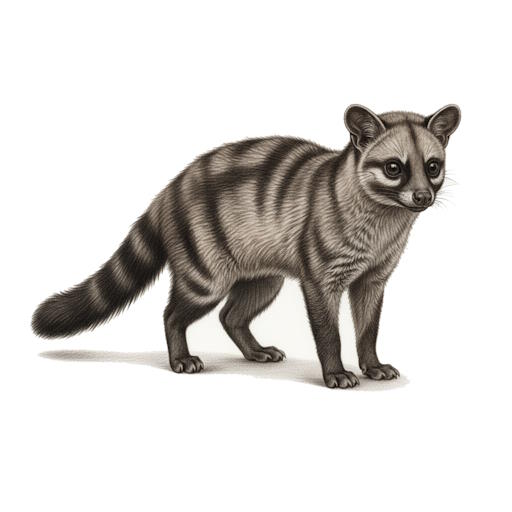
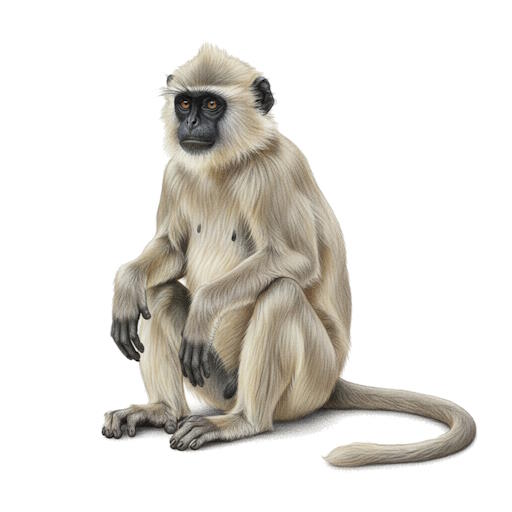
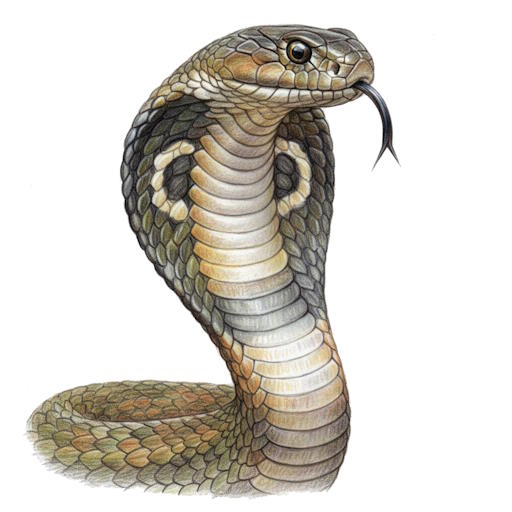
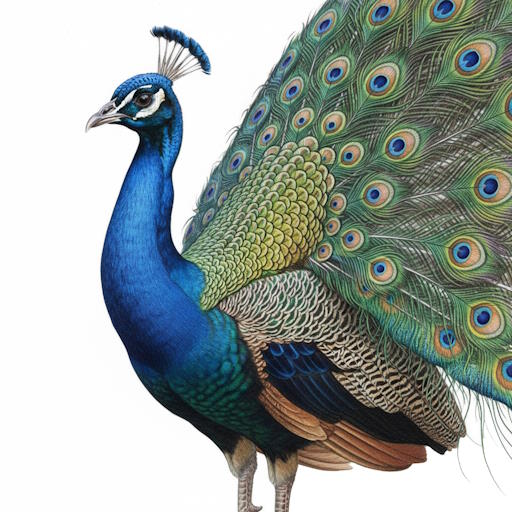
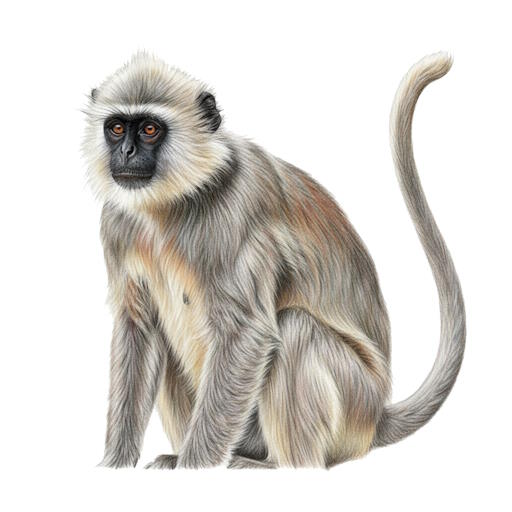
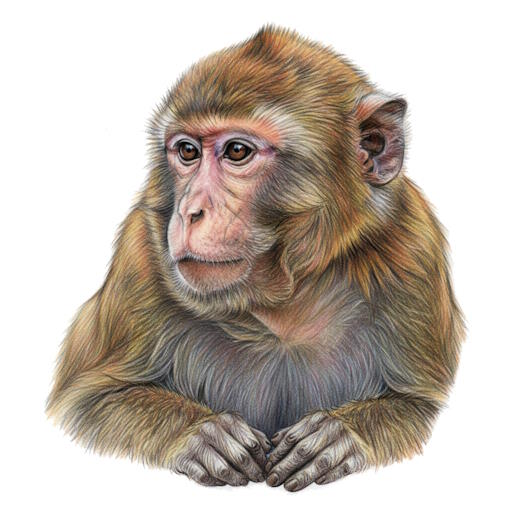
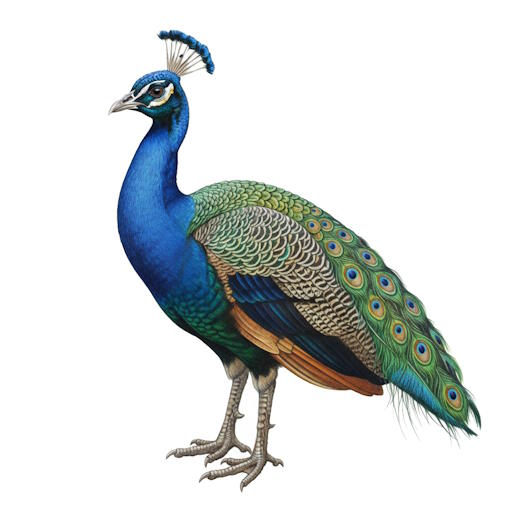
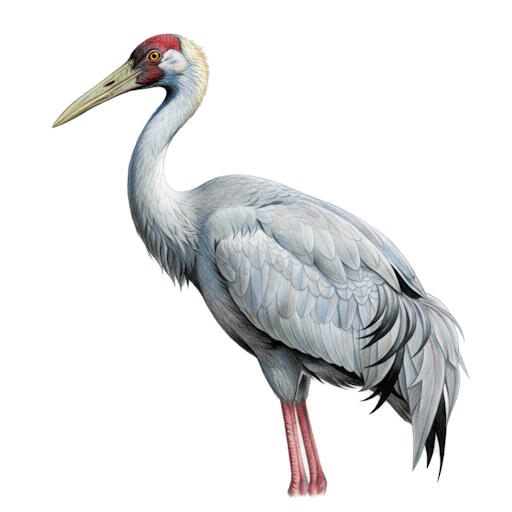
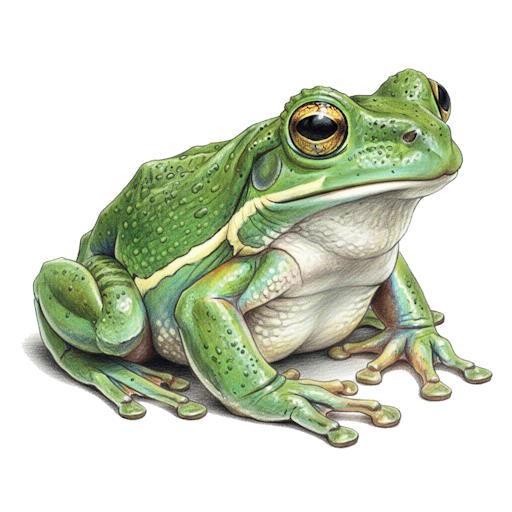
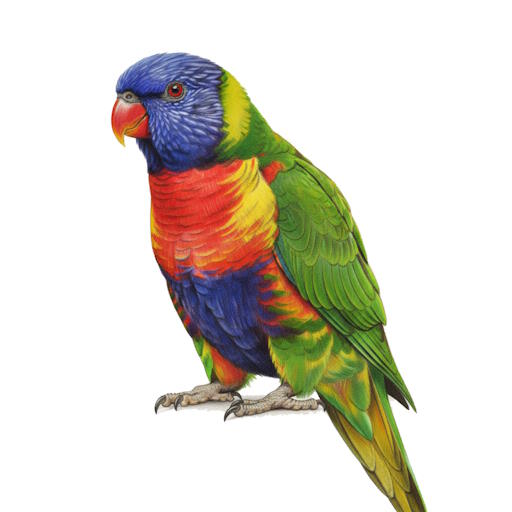
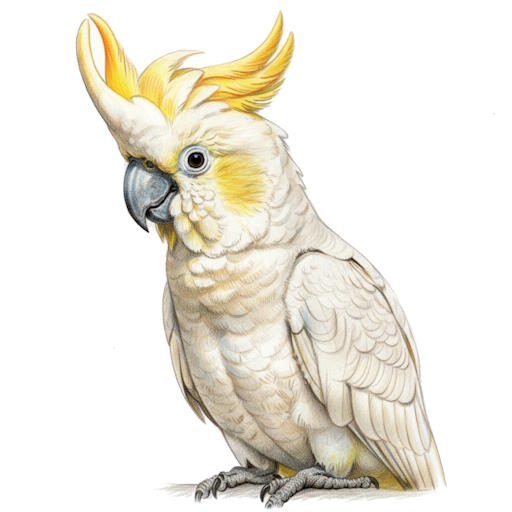
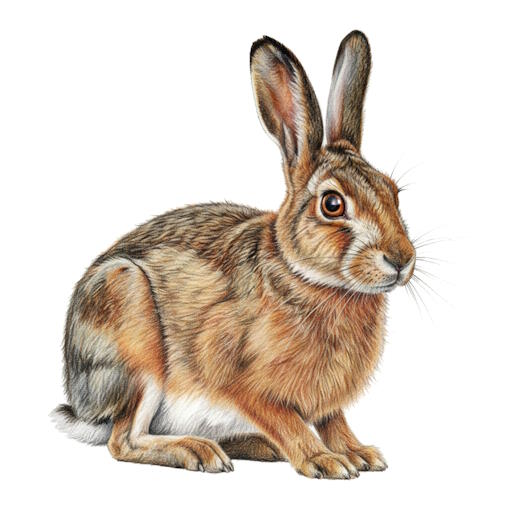
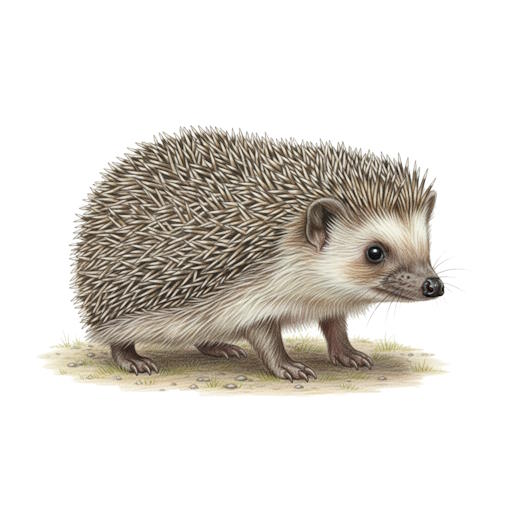
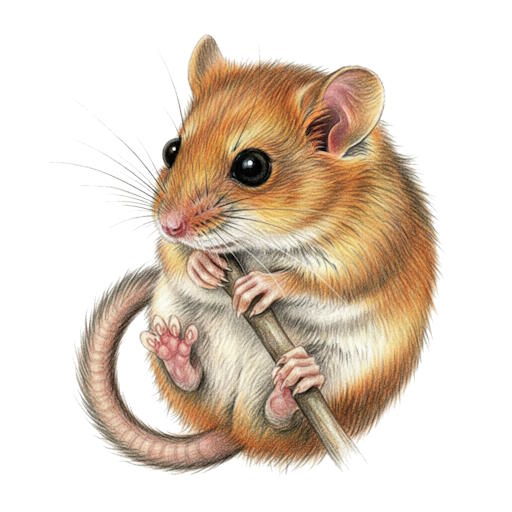
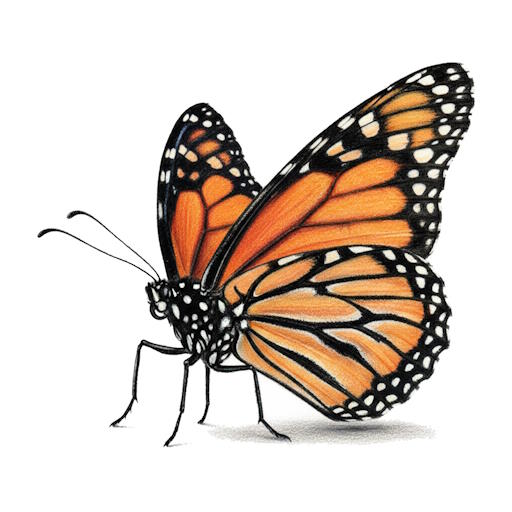
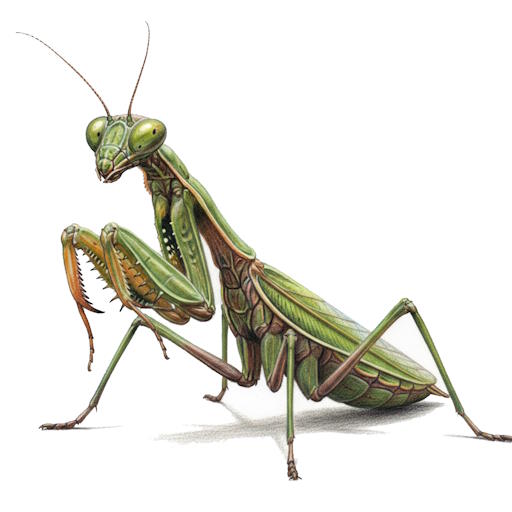
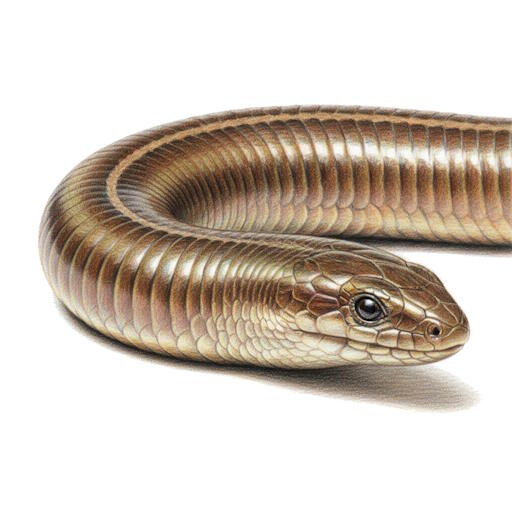
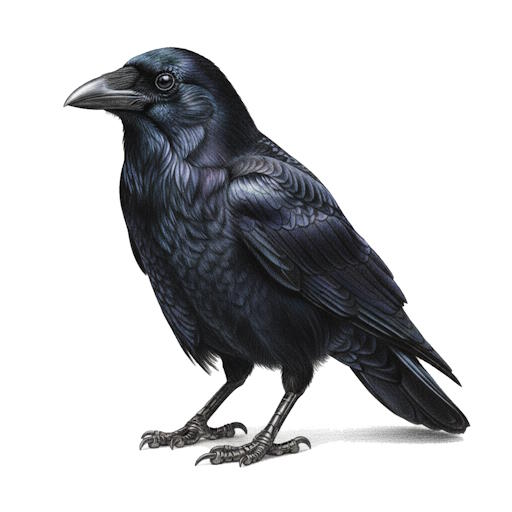
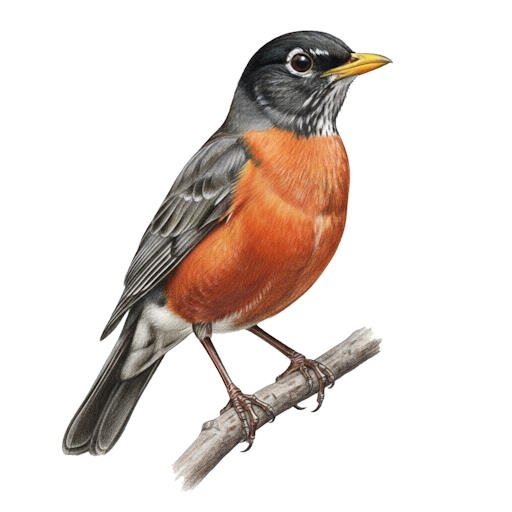
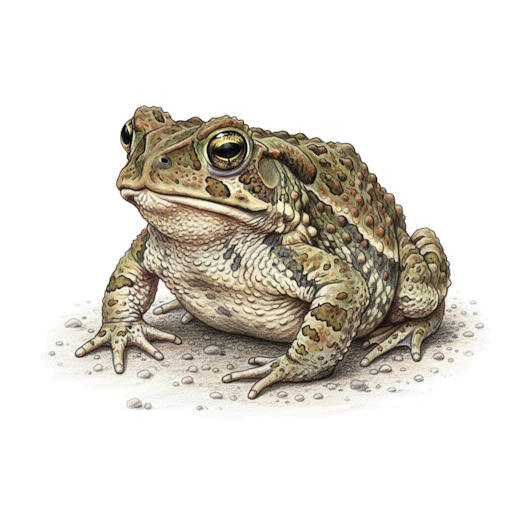
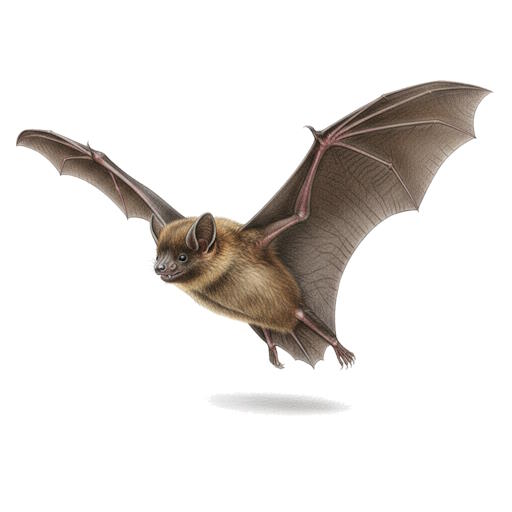
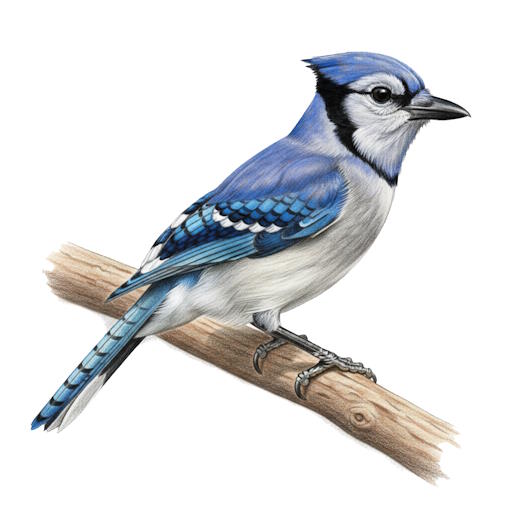
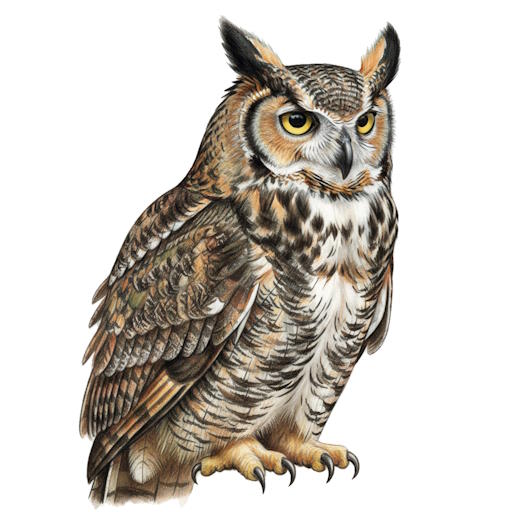
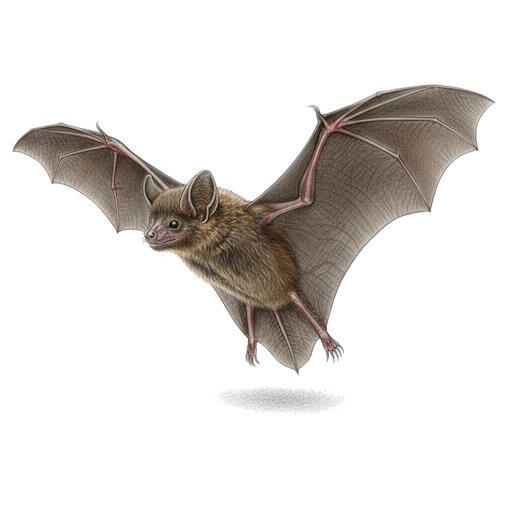
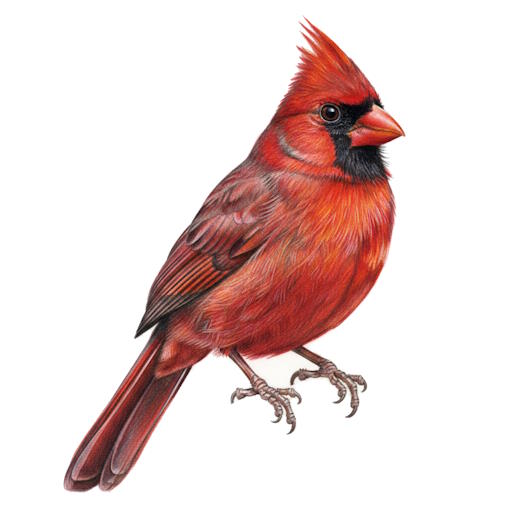
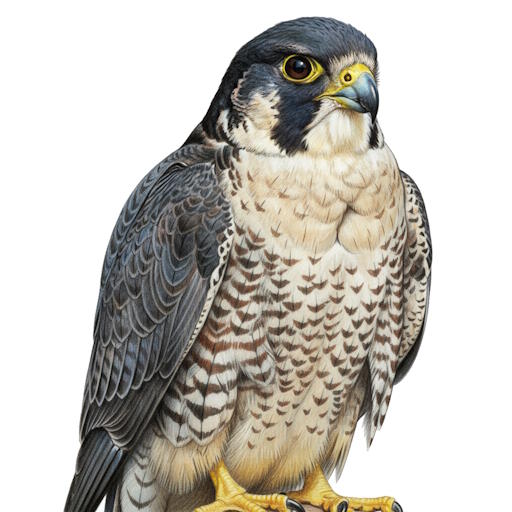
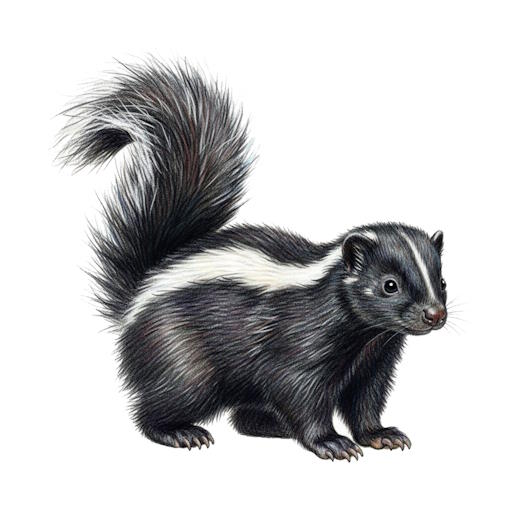
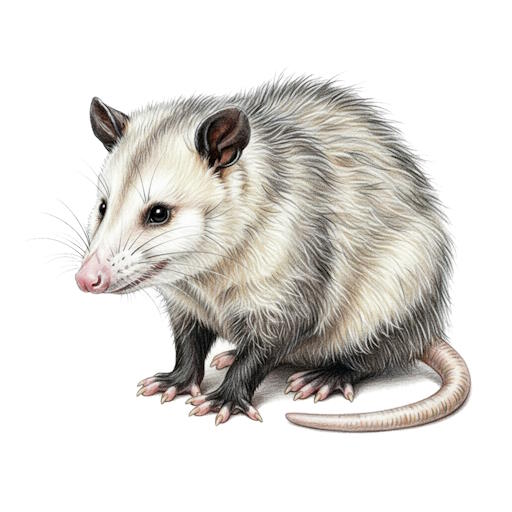
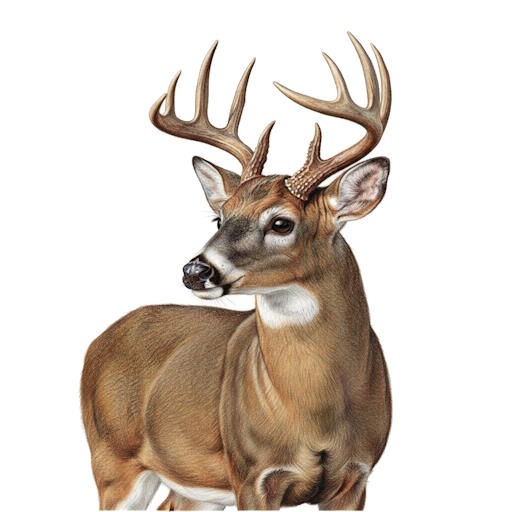
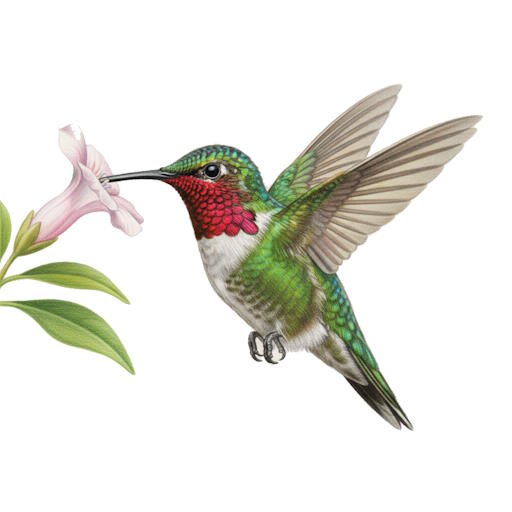
Animals which live in Artificial/Cultivated Biome
Click on an image to learn more about one of the animals.