Desert and Arid
Welcome to the captivating yet challenging world of the Desert and Arid biome! These landscapes, which include hot deserts, semi-deserts, salt flats, desert scrublands, sandy habitats, and dry shrublands, are defined by their extreme dryness and often drastic temperature fluctuations. Far from barren, deserts are home to a surprising diversity of life, showcasing incredible adaptations for survival in harsh conditions. If you're curious about Earth's driest places and the resilient life within them, you're in the right spot.
What Defines a Desert and Arid Biome?
The primary characteristic of desert and arid biomes is their scarcity of water, receiving less than 250 mm of precipitation annually. This severe lack of moisture leads to sparse vegetation and unique ecological processes. While often associated with heat, deserts can also be cold, with large daily temperature swings. The common thread is the profound aridity that shapes every aspect of life.
Key Features and Characteristics:
- Extreme Aridity: Low annual rainfall is the defining feature, leading to very dry soils and limited plant growth.
- Temperature Extremes: Deserts experience significant temperature variations, often with very hot days and surprisingly cold nights due to clear skies and low humidity.
- Specialized Life: Plants and animals in these biomes have evolved remarkable adaptations to conserve water and withstand harsh conditions. Cacti, succulents, and drought-resistant shrubs are common, as are nocturnal animals and those with efficient water storage.
- Sparse Vegetation: Plant cover is typically widely spaced, leaving much of the ground exposed to erosion by wind and occasional water.
- Unique Landforms: Deserts are often characterized by dunes, mesas, buttes, and dry riverbeds (wadis or arroyos), shaped by wind and infrequent water erosion. Salt flats can form in areas where water evaporates, leaving mineral deposits.
Why are Desert and Arid Biomes Important?
Despite their seemingly inhospitable nature, desert and arid biomes play a crucial role in global ecosystems:
- Unique Biodiversity: They harbor highly specialized species found nowhere else, contributing significantly to global biodiversity.
- Mineral Resources: Many deserts are rich in valuable minerals and resources, including oil, natural gas, and precious metals.
- Climate Indicators: Deserts can provide valuable insights into past and present climate patterns due to their sensitive ecosystems.
- Cultural Significance: Historically, deserts have been home to nomadic cultures and have played a role in trade routes and ancient civilizations.
Exploring the Desert and Arid biome reveals a world of remarkable resilience and beauty. Understanding these unique environments and the delicate balance of life within them is vital for conservation efforts and appreciating the incredible adaptability of nature.
Other Biomes
There are lots of other biomes to explore. Check out all of our biomes for more info.
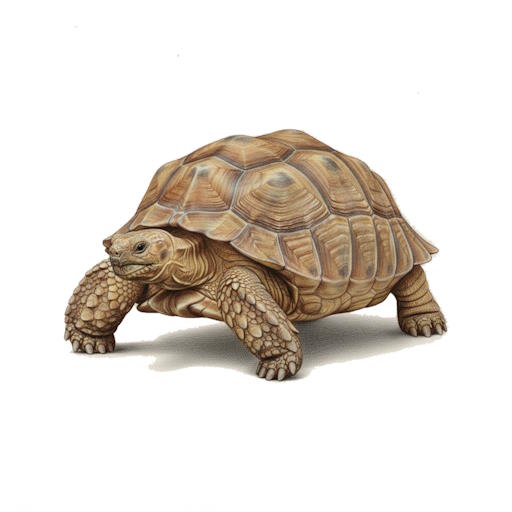
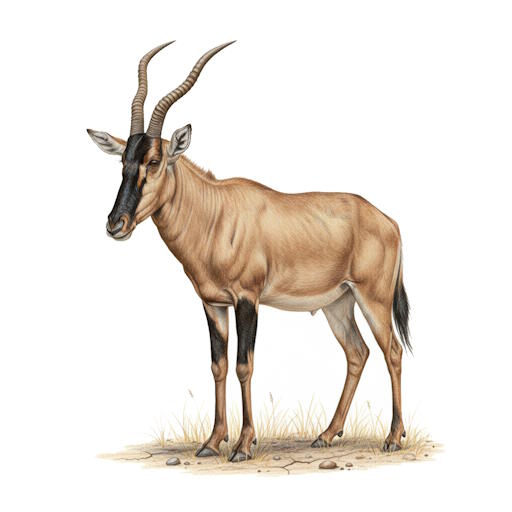
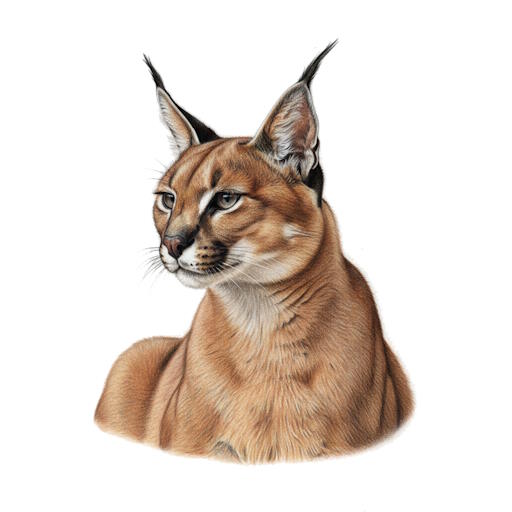
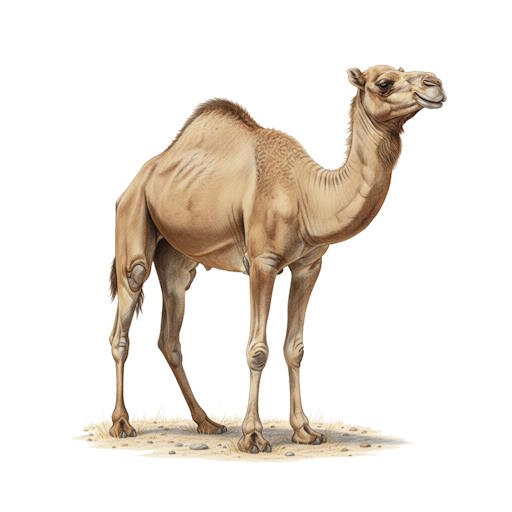
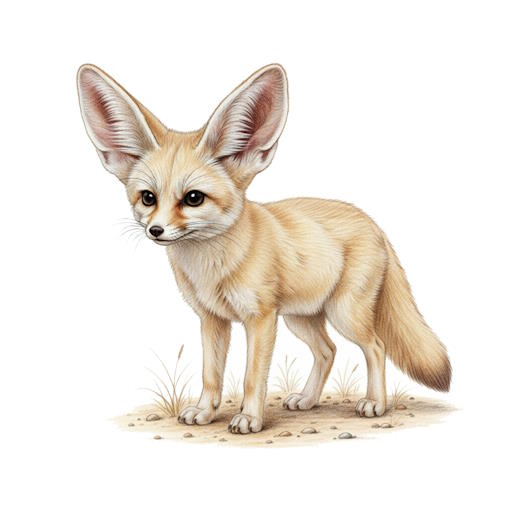
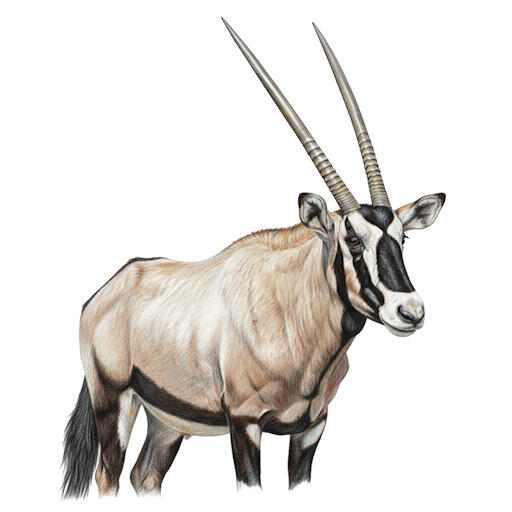
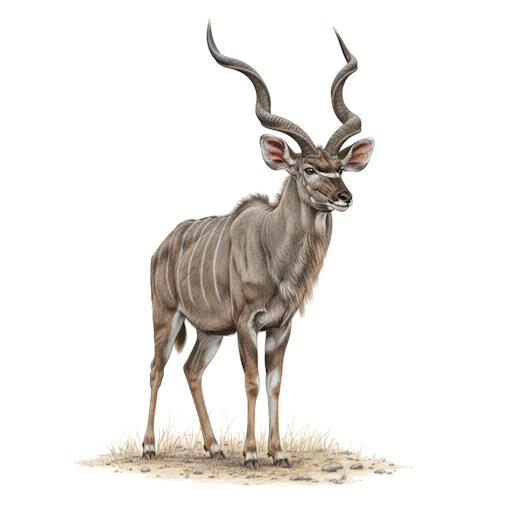
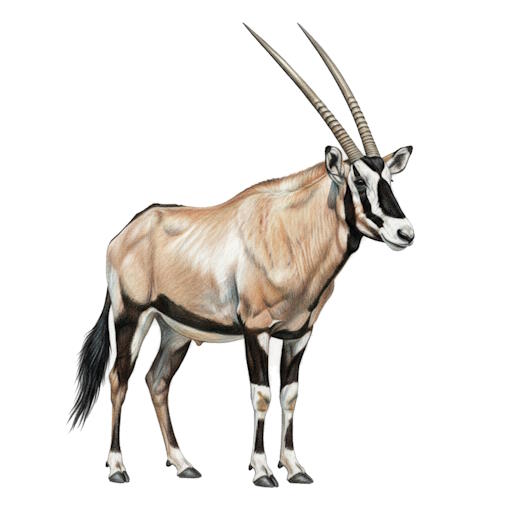
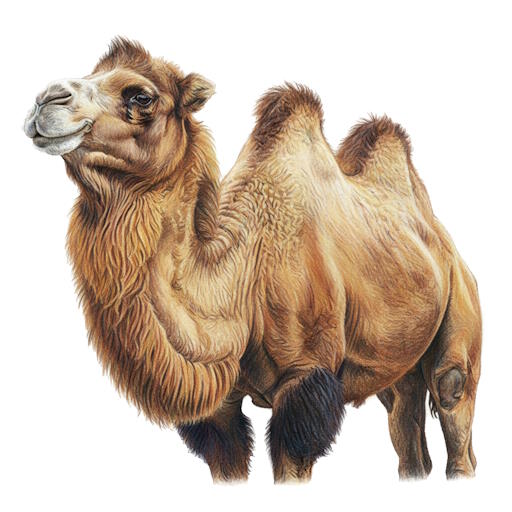
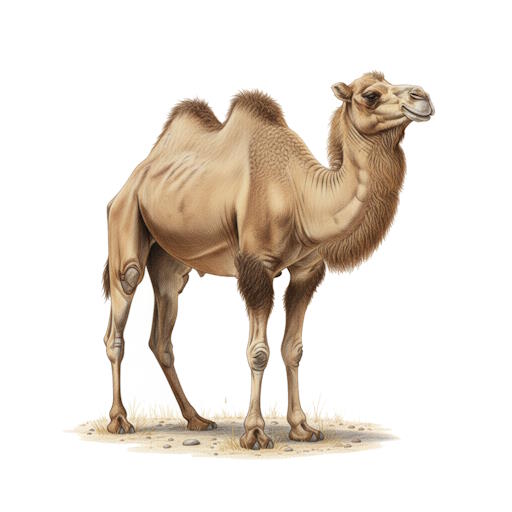
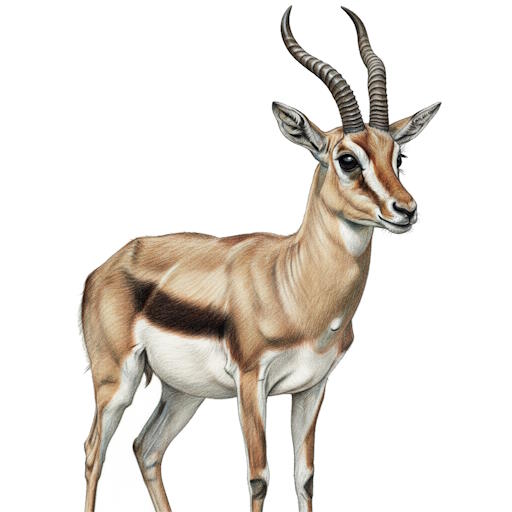
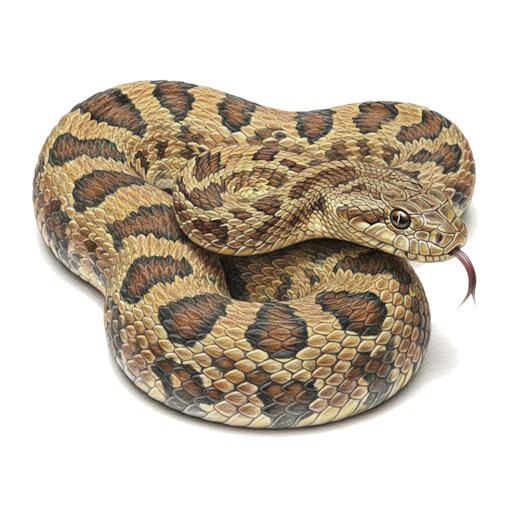
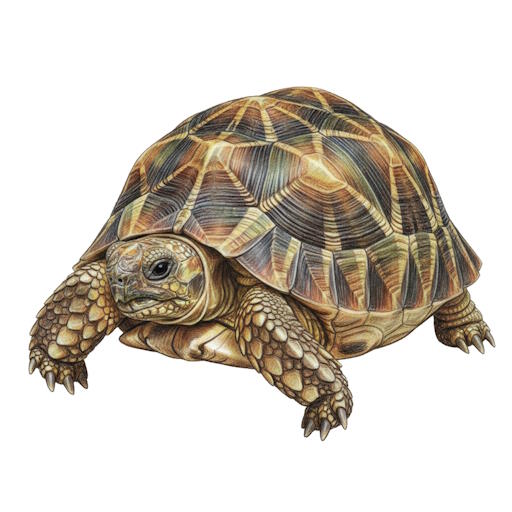
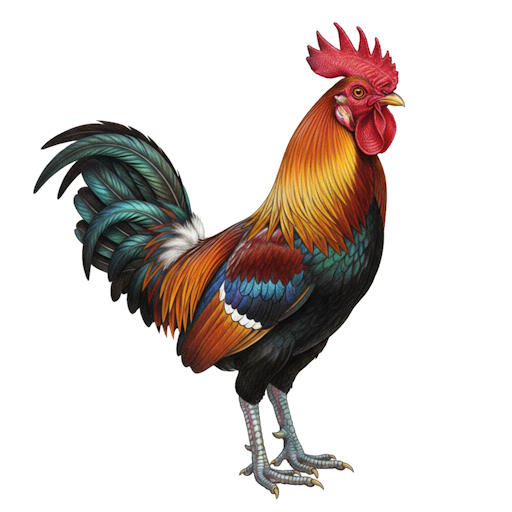
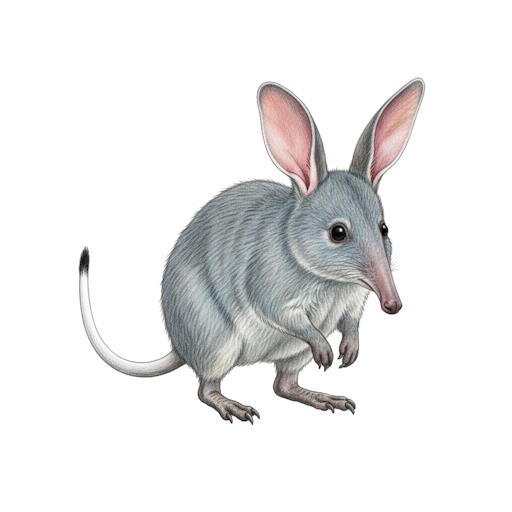
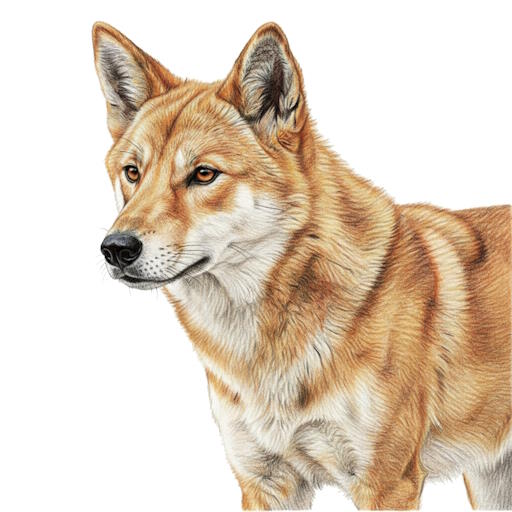
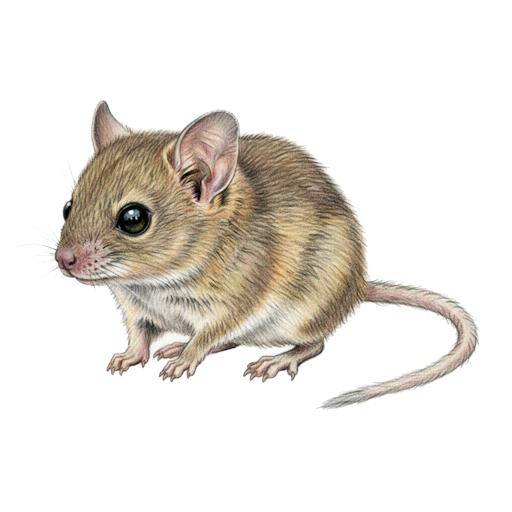
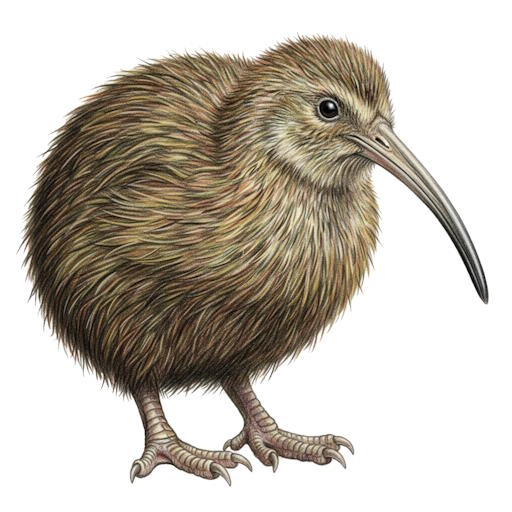
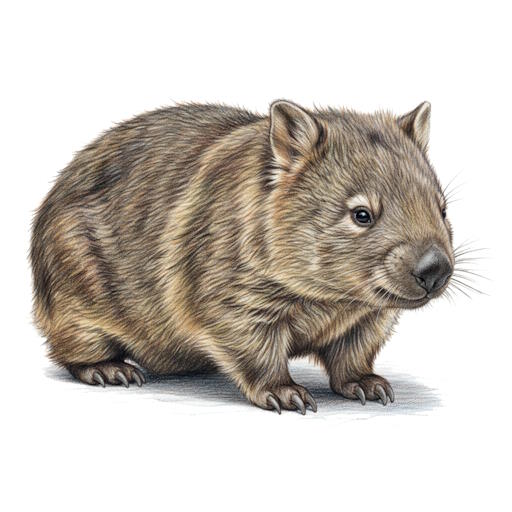
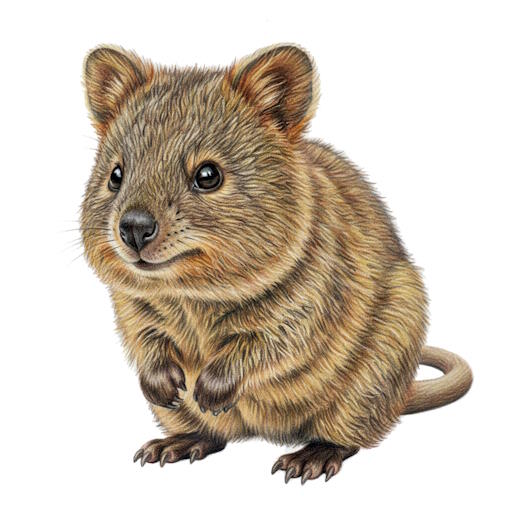
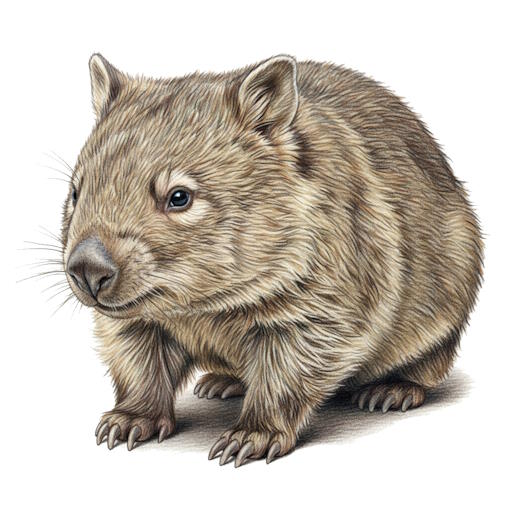
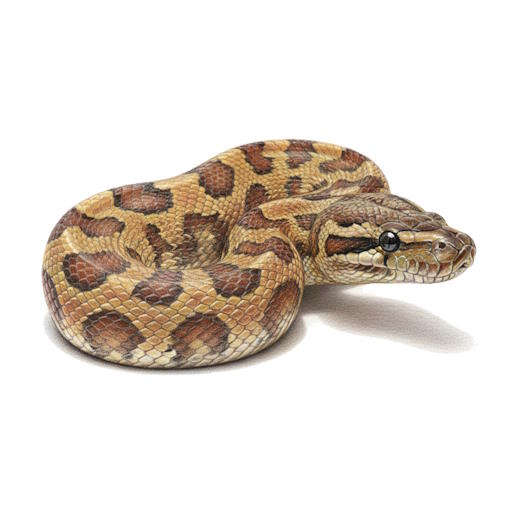
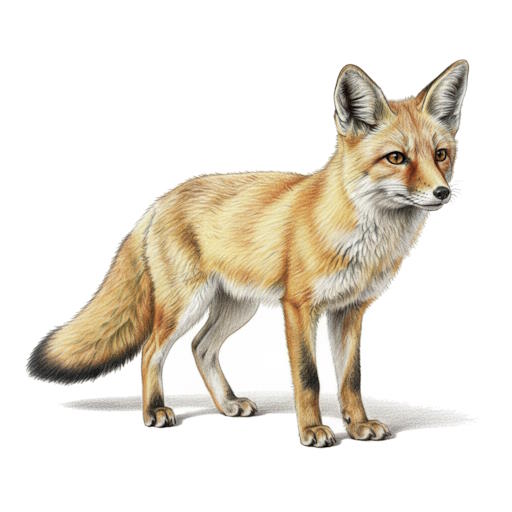
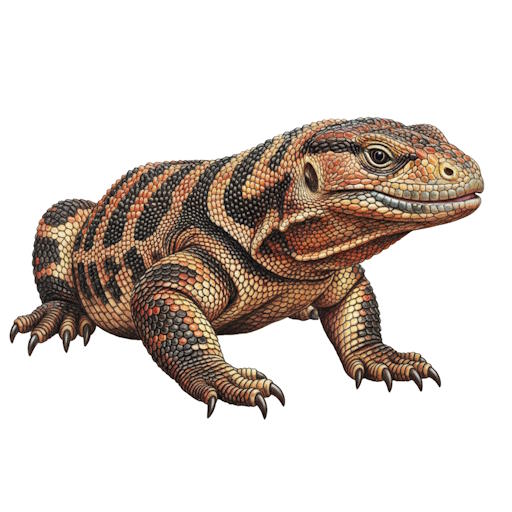
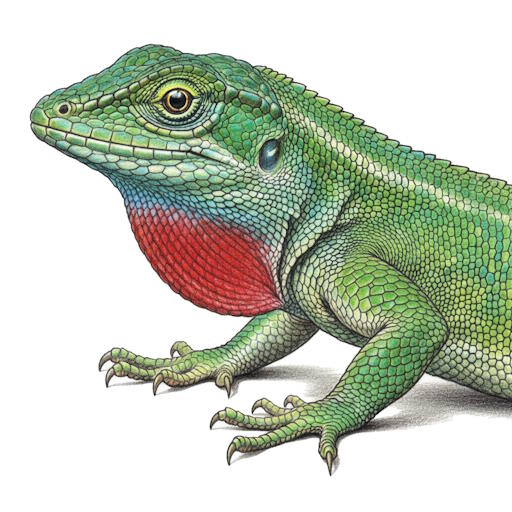
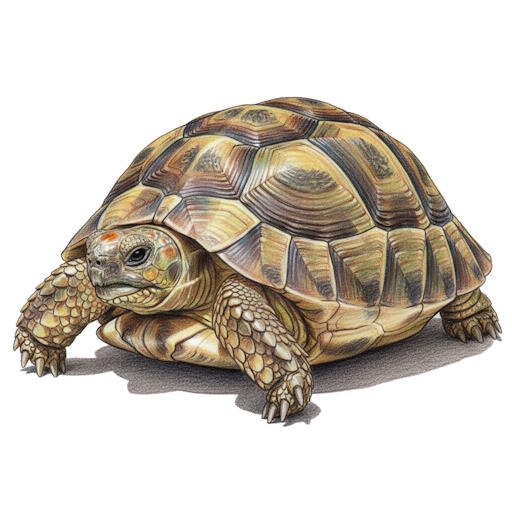
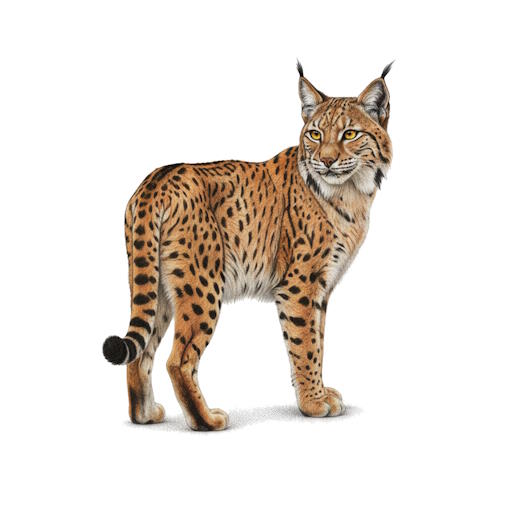
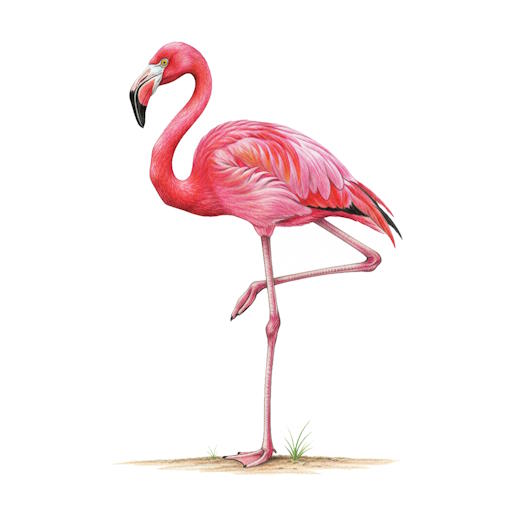
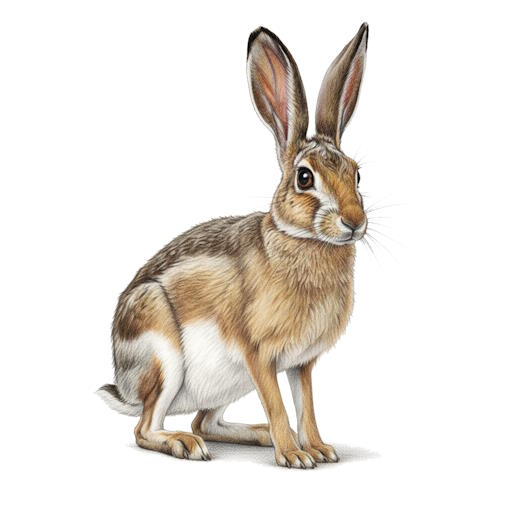
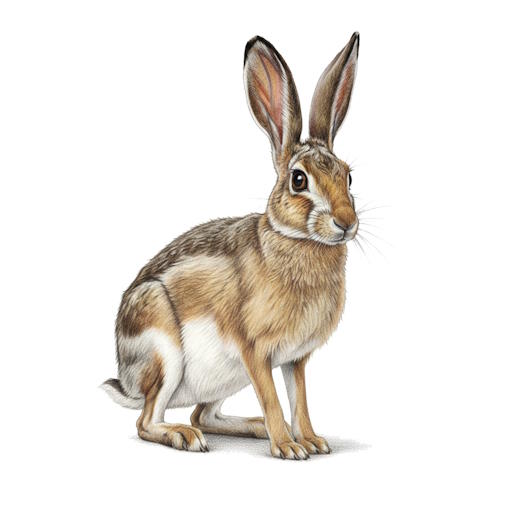
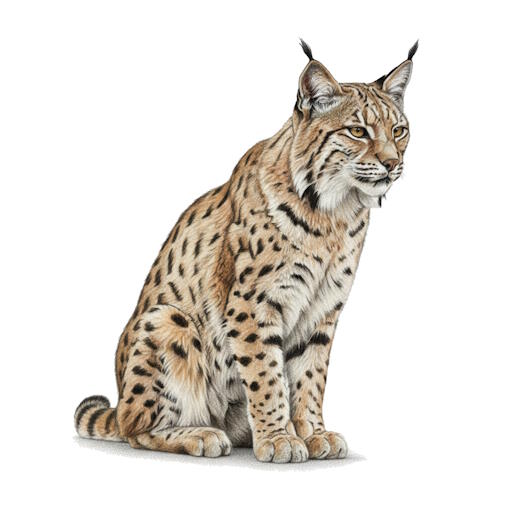
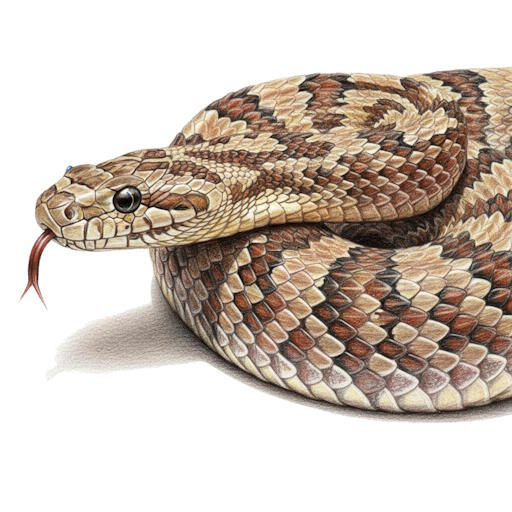
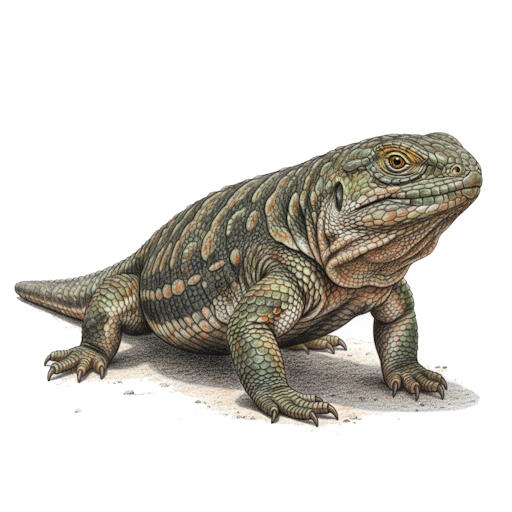
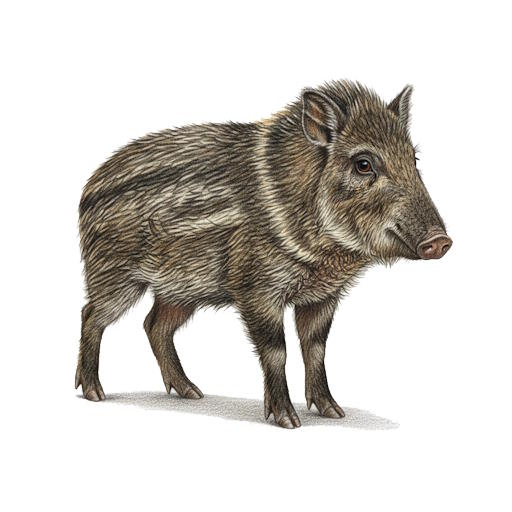
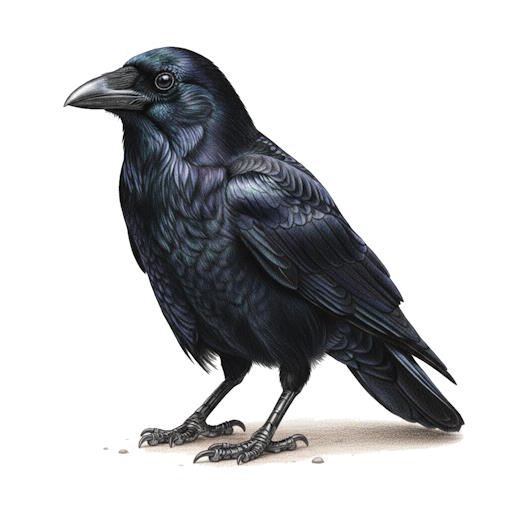
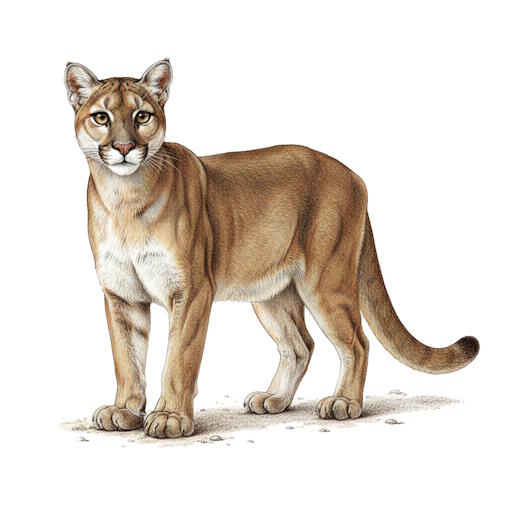
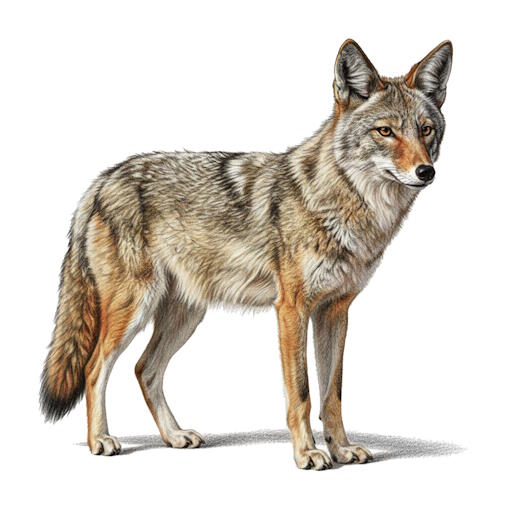
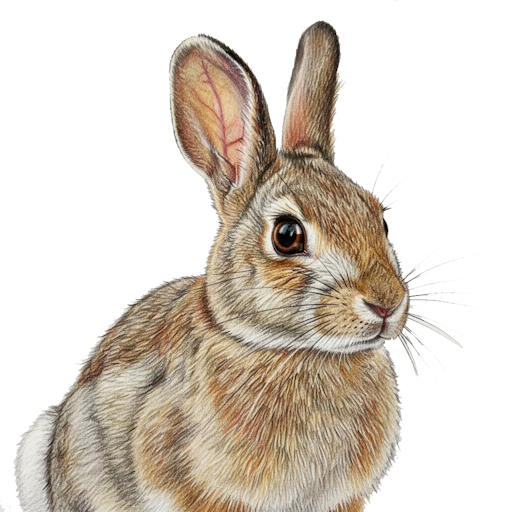
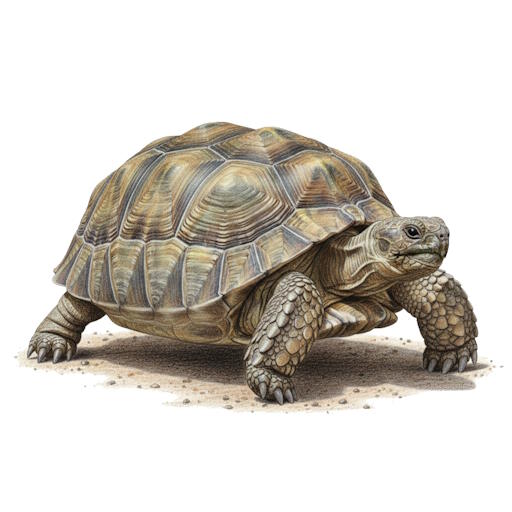
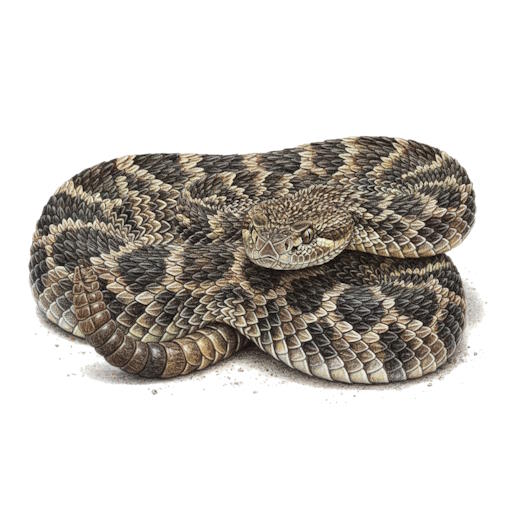
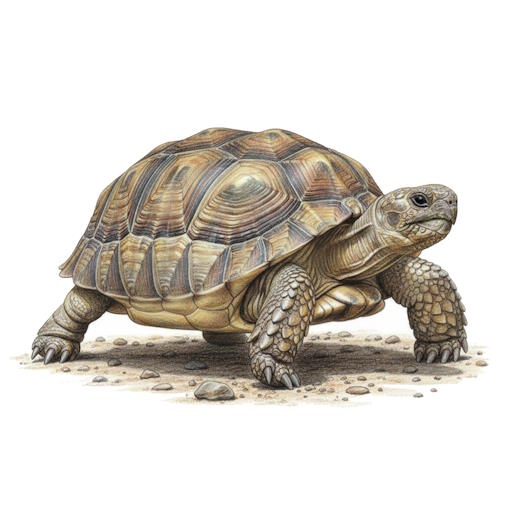
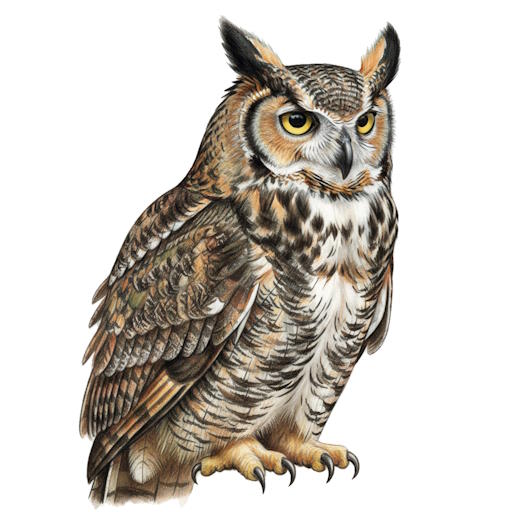
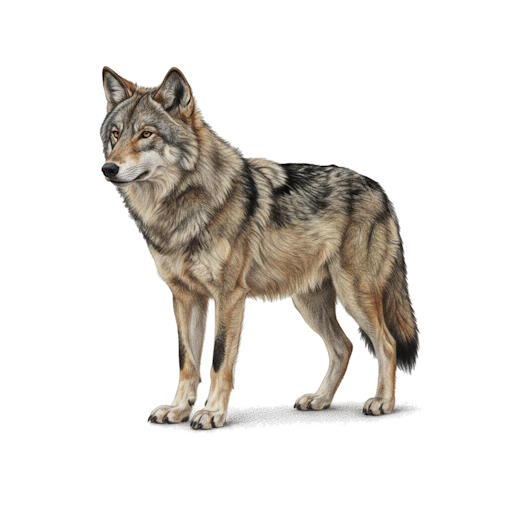
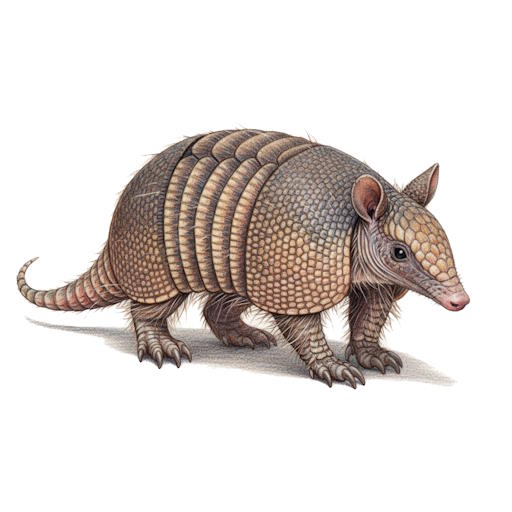
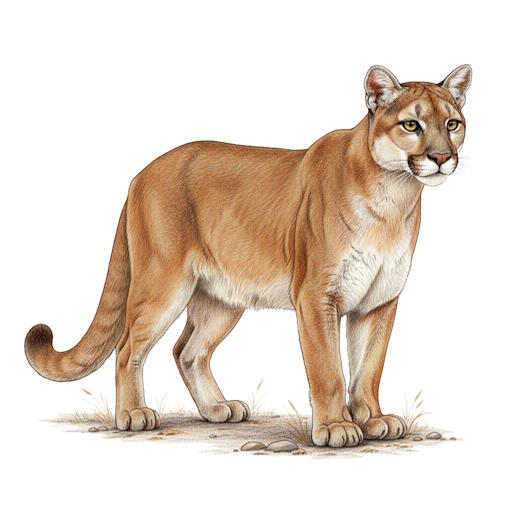
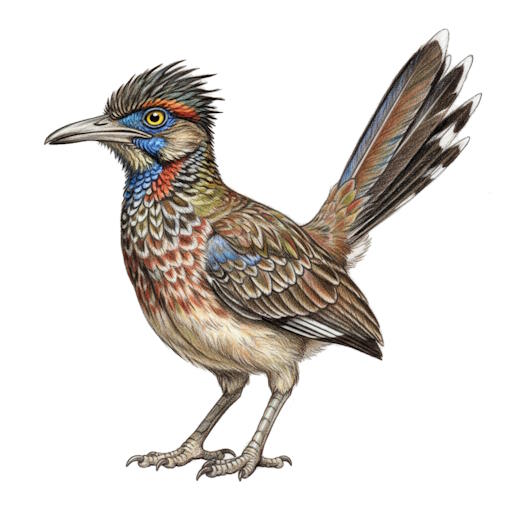
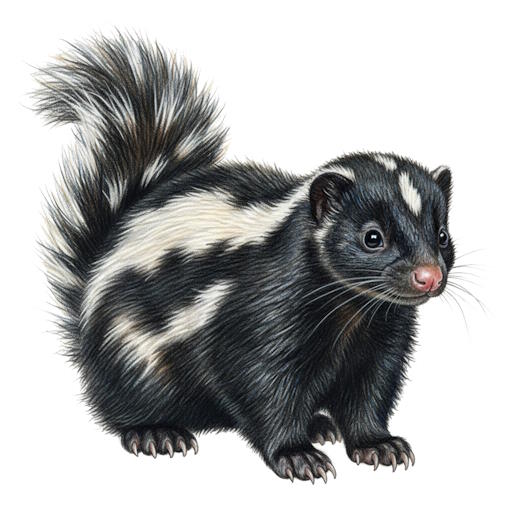
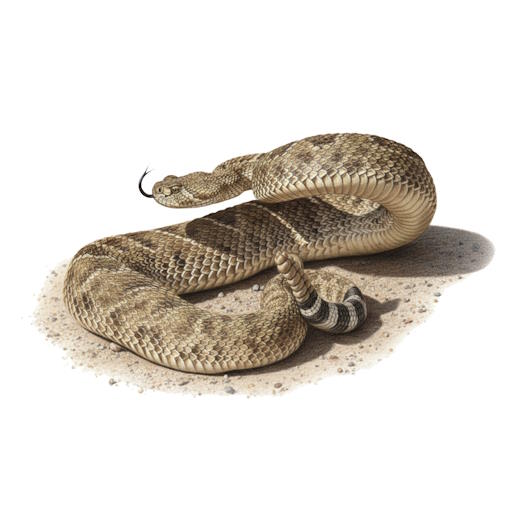
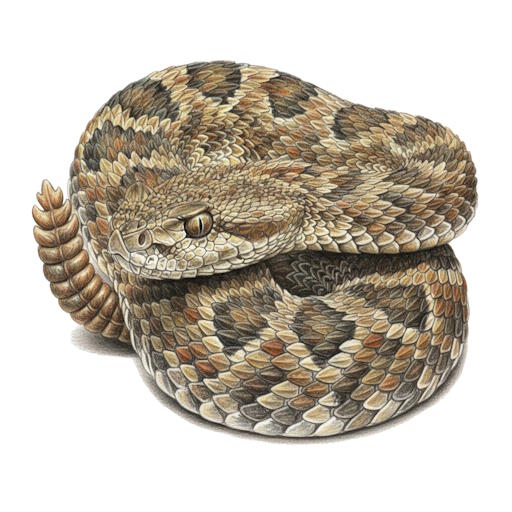
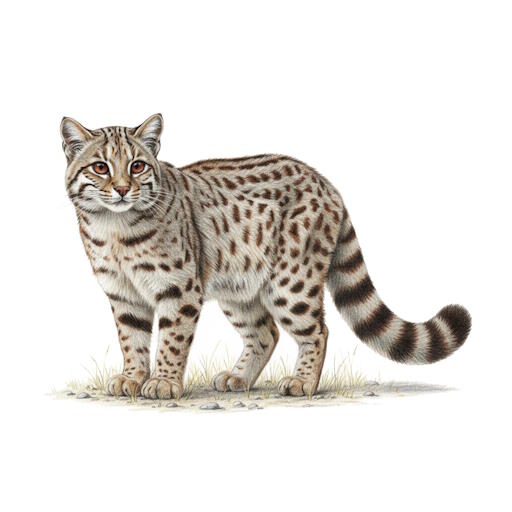
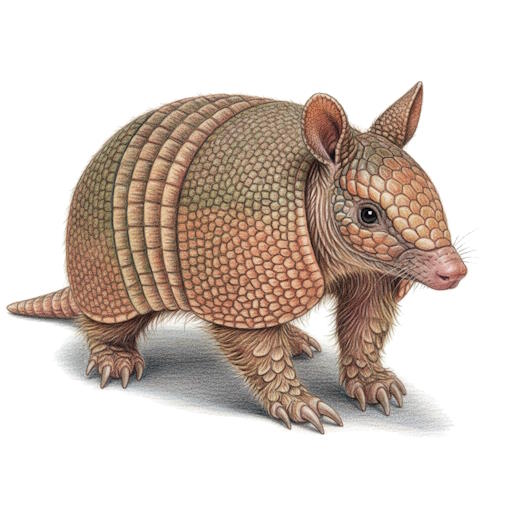
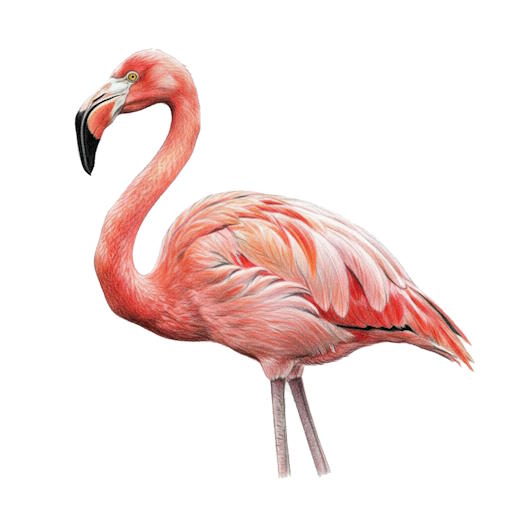
Animals which live in Desert and Arid Biome
Click on an image to learn more about one of the animals.