Grassland and Savanna
Welcome to the vast and dynamic world of the Grassland and Savanna biome! These incredible ecosystems, encompassing prairies, steppes, veld, general grasslands, savannas, meadows, and open country, are defined by their dominant vegetation: grasses. If you're seeking to understand resilient landscapes teeming with iconic wildlife, or simply want to explore Earth's crucial open spaces, you've arrived at the perfect place.
What Defines Grassland and Savanna?
Grasslands and savannas are characterized by a climate that supports grasses more readily than large trees. They experience moderate rainfall, often with distinct wet and dry seasons, but not enough to sustain dense forest cover. This unique balance fosters the growth of extensive grass species, which in turn support a diverse array of grazing animals and their predators. The open nature of these biomes allows for wide-ranging views and an incredible sense of scale.
Key Features and Characteristics:
- Dominant Grasses: The primary vegetation in these biomes is various species of grasses, adapted to periodic droughts and fire.
- Scattered Trees: While grasslands are largely treeless, savannas feature scattered trees, often acacia or baobab, which are tolerant of dry conditions and fire.
- Seasonal Rains: Many grasslands and savannas experience distinct wet and dry seasons, influencing plant growth and animal migration patterns.
- Fire-Adapted: Natural fires, often caused by lightning, are a common and essential ecological process in these biomes, helping to clear old growth and promote new grass shoots.
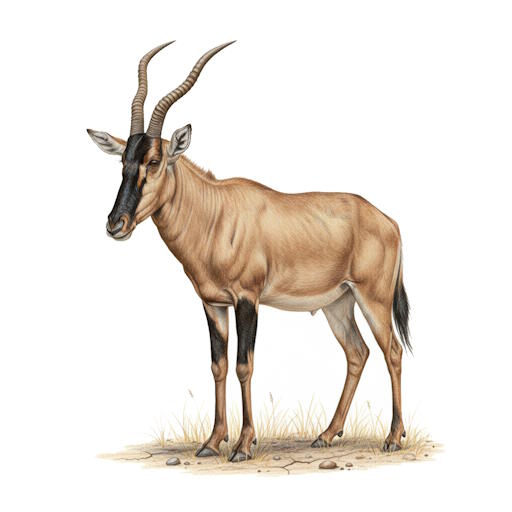
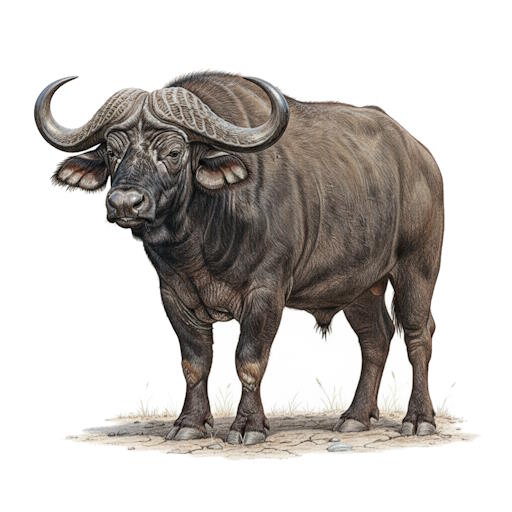
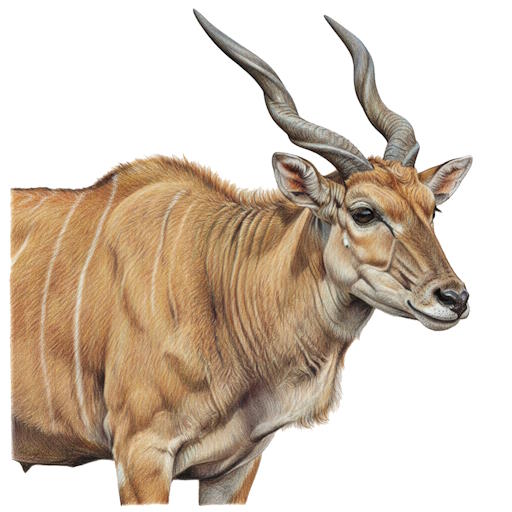
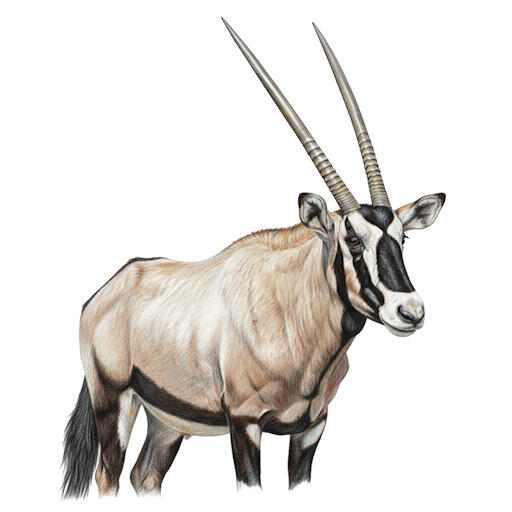
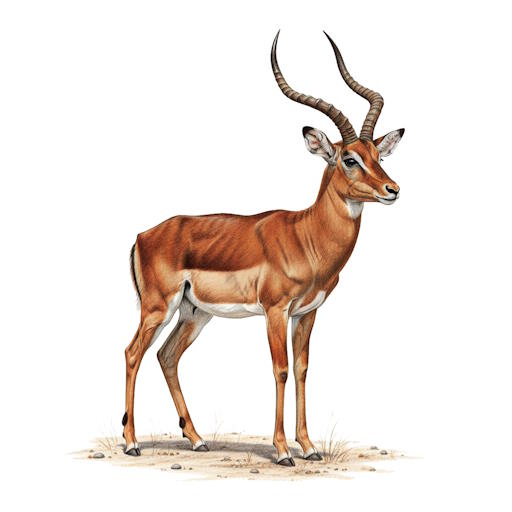
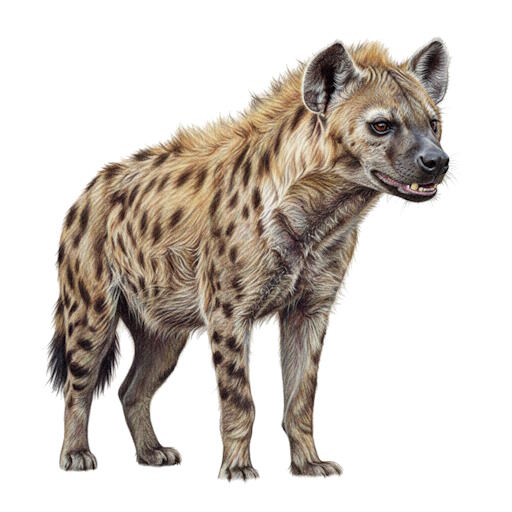
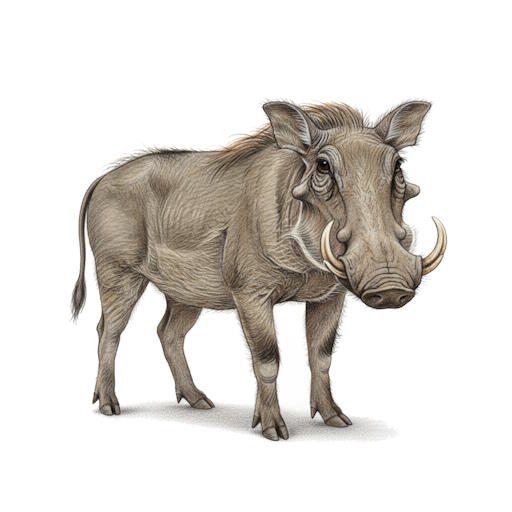
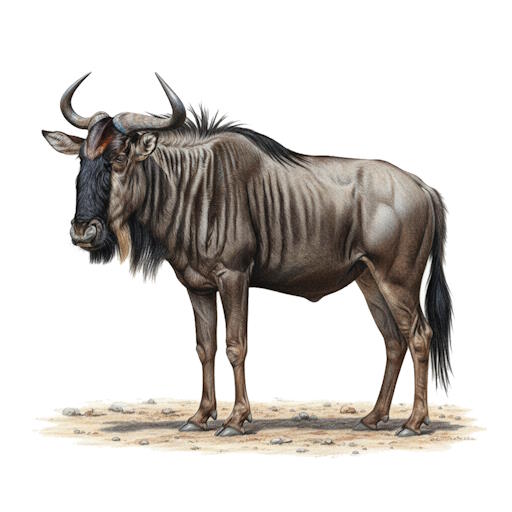
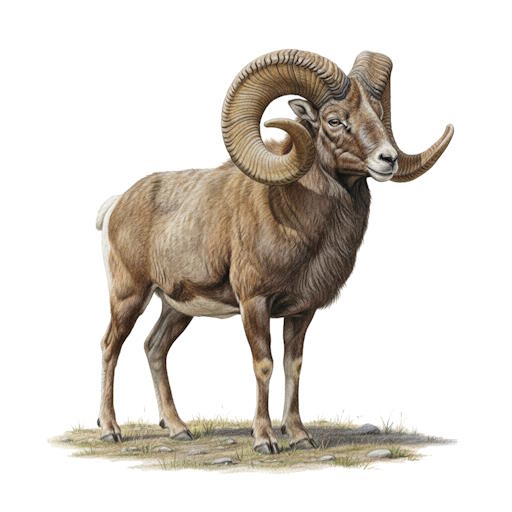
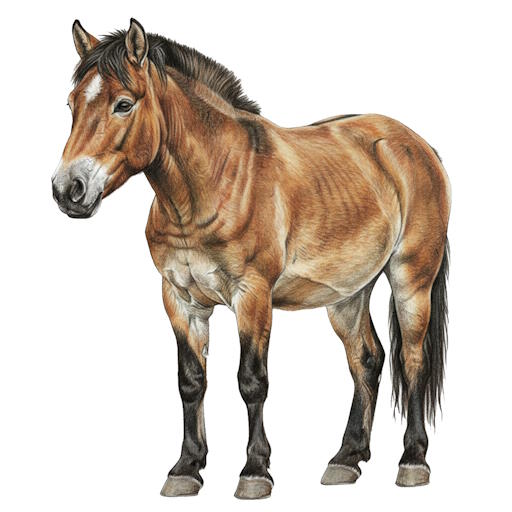
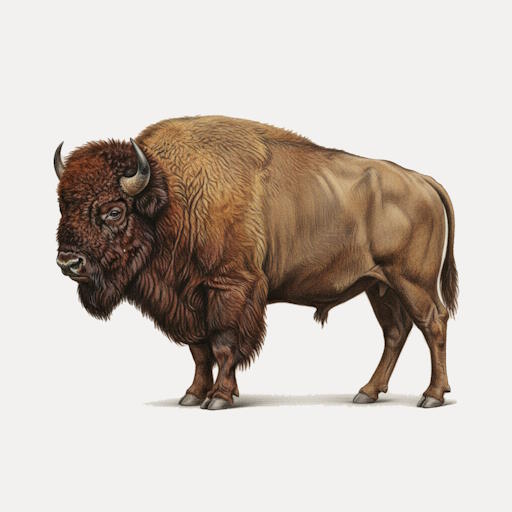
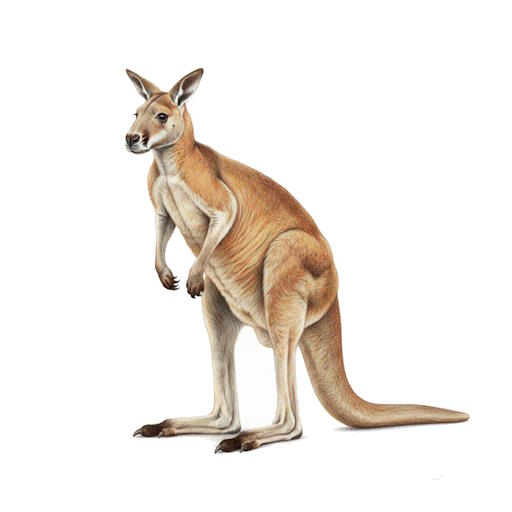
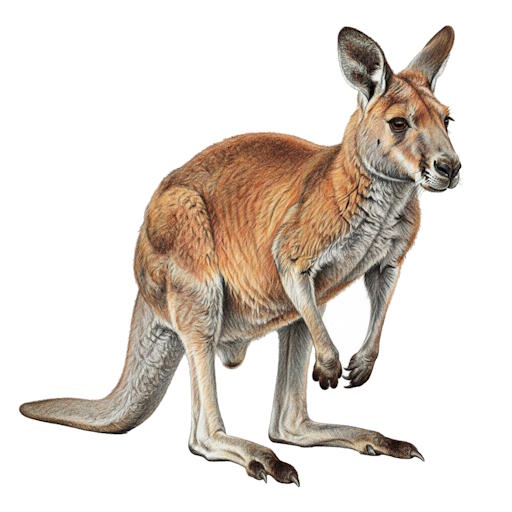
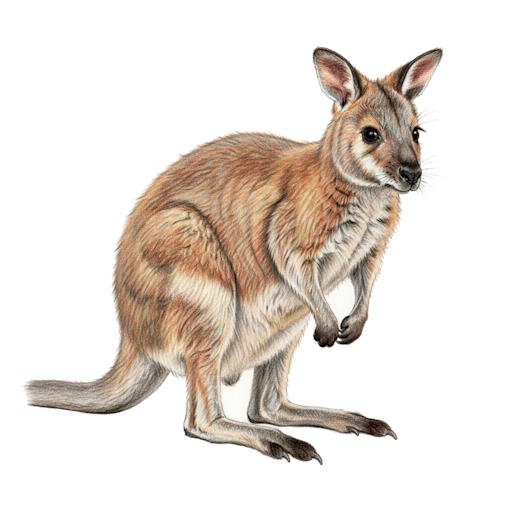
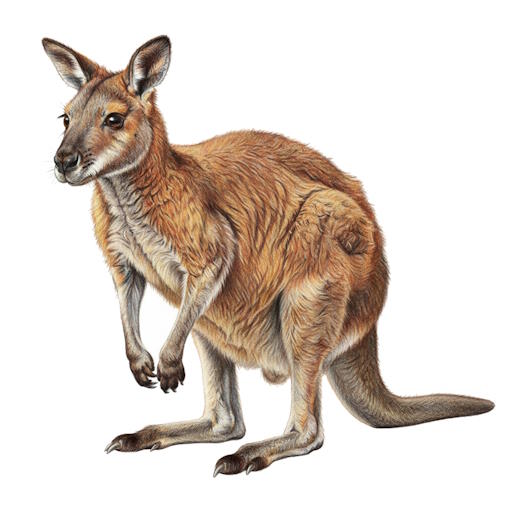
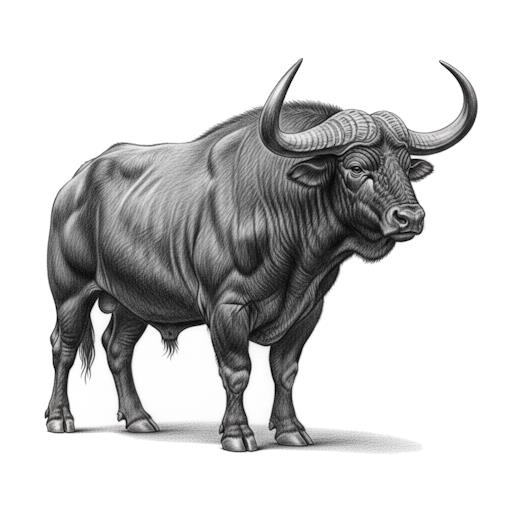
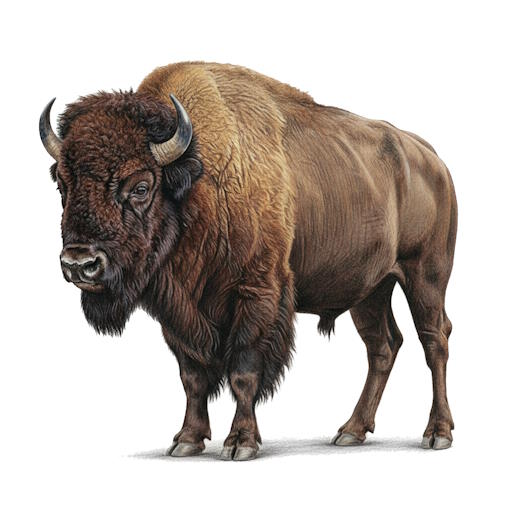
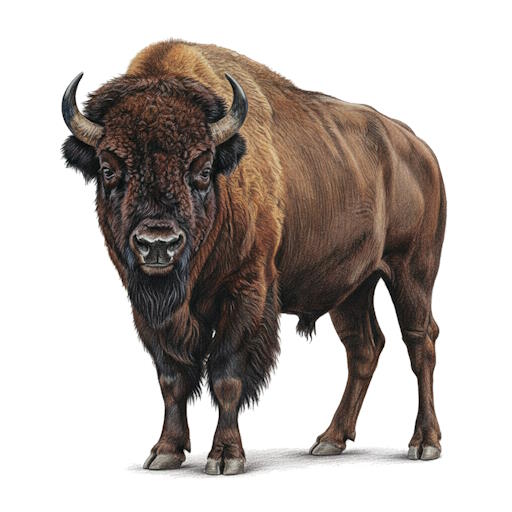
- Grazing Animals: These ecosystems support large populations of herbivores like bison, wildebeest, zebras, and kangaroos, which play a crucial role in maintaining the grassland structure.
- Rich Soils: The decomposition of grass roots contributes to deep, fertile soils, making some grasslands valuable agricultural areas.
Why are Grasslands and Savannas Important?
Beyond their breathtaking landscapes, grasslands and savannas offer vital ecological benefits:
- Biodiversity Support: They provide essential habitats for numerous species, including many endangered animals unique to these biomes.
- Carbon Sequestration: Grassland soils are significant carbon sinks, storing large amounts of carbon below ground and helping to mitigate climate change.
- Agricultural Productivity: Many of the world's most productive agricultural regions are found in former or current grasslands, supporting global food security.
- Water Regulation: Healthy grasslands help regulate water cycles, reducing erosion and filtering water into groundwater systems.
- Cultural Significance: These biomes have shaped human history, supporting nomadic cultures and providing resources for centuries.
Discovering a Grassland or Savanna biome is an opportunity to witness the power of nature's cycles and the intricate relationships between plants and animals. Protecting these vital landscapes is paramount for global ecological balance and future generations.
Other Biomes
There are lots of other biomes to explore. Check out all of our biomes for more info.
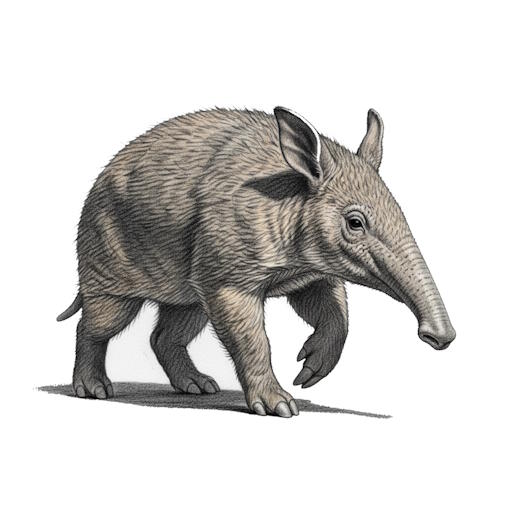
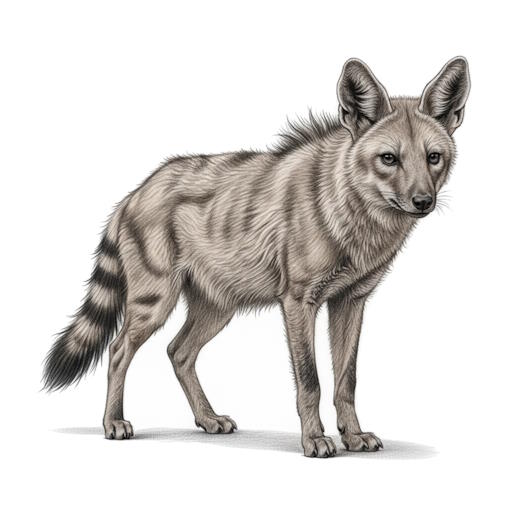
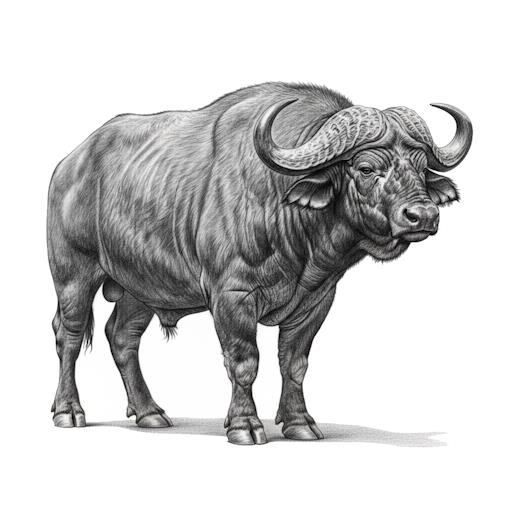
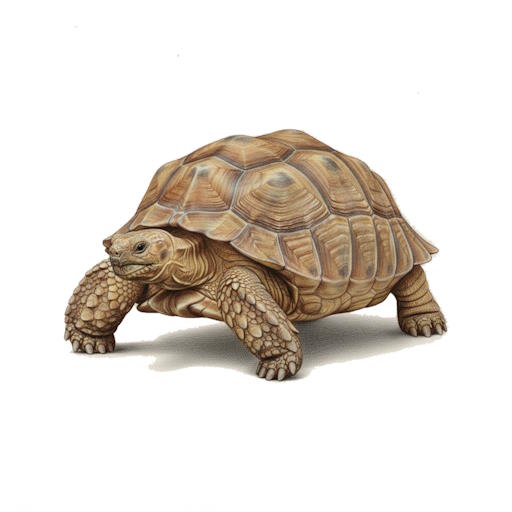
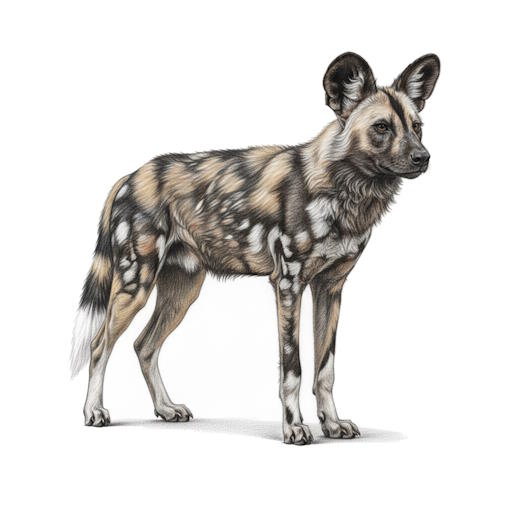
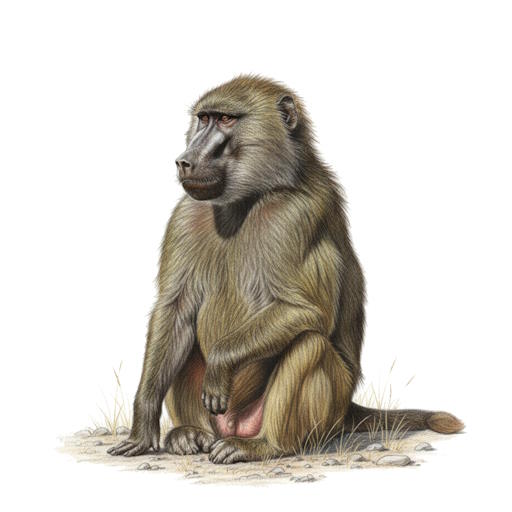
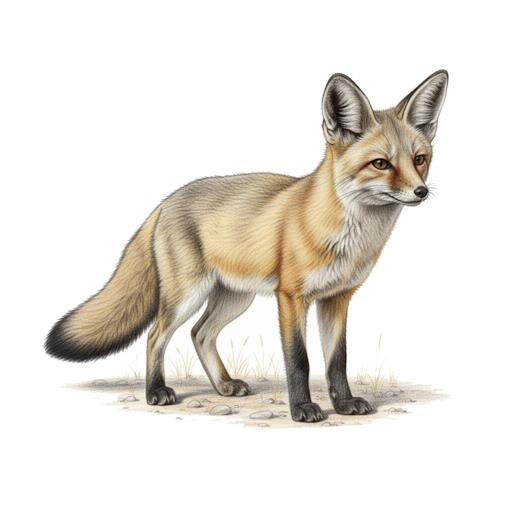
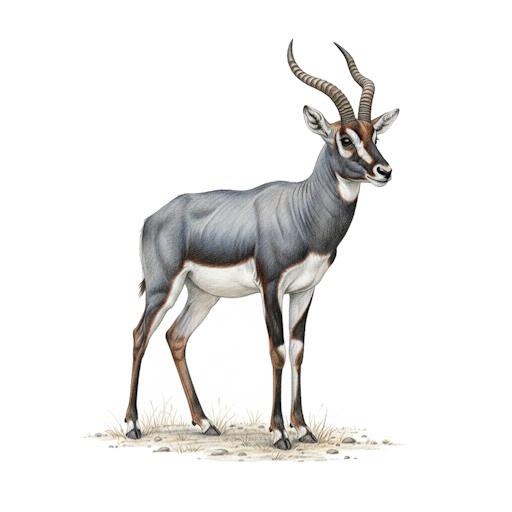
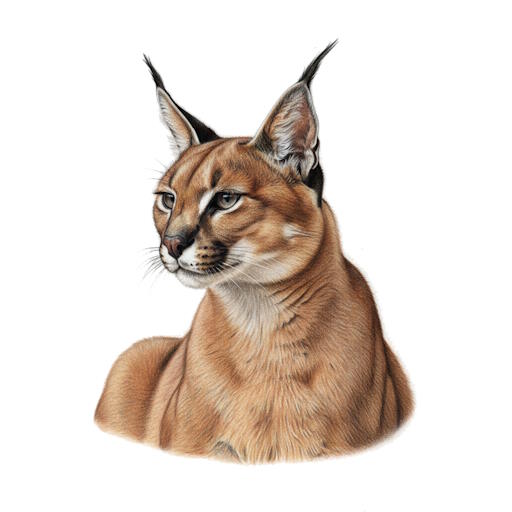
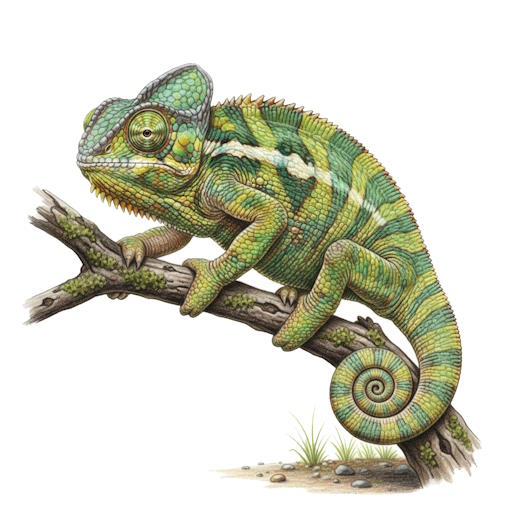
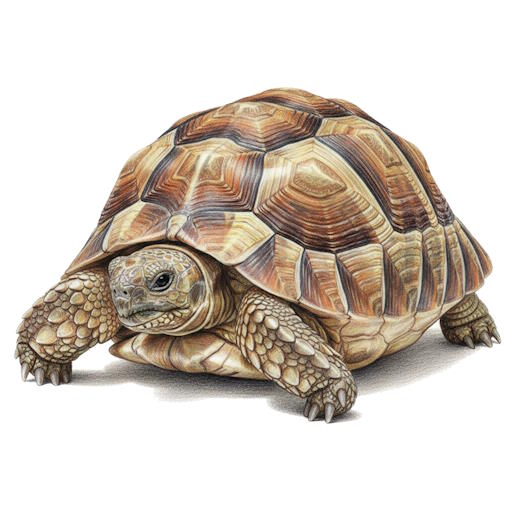
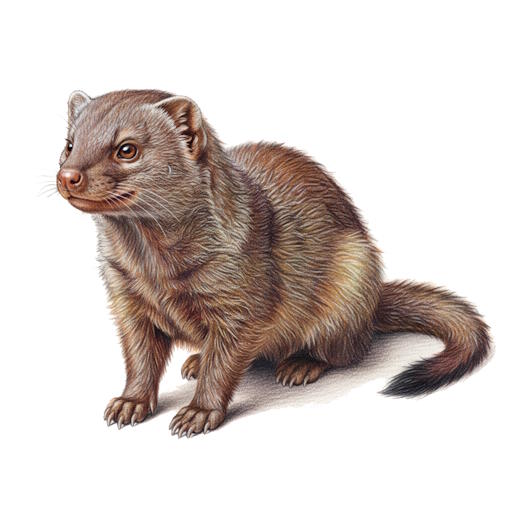
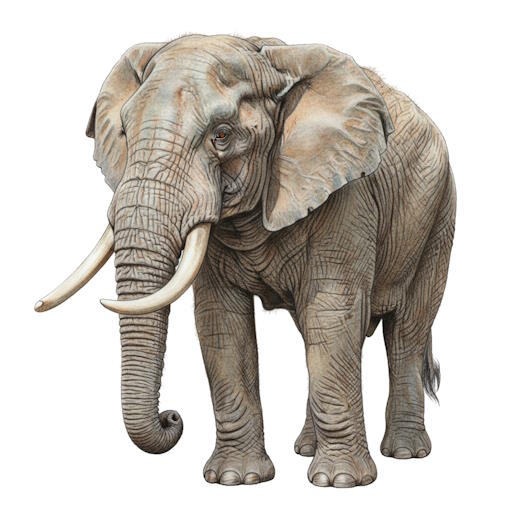
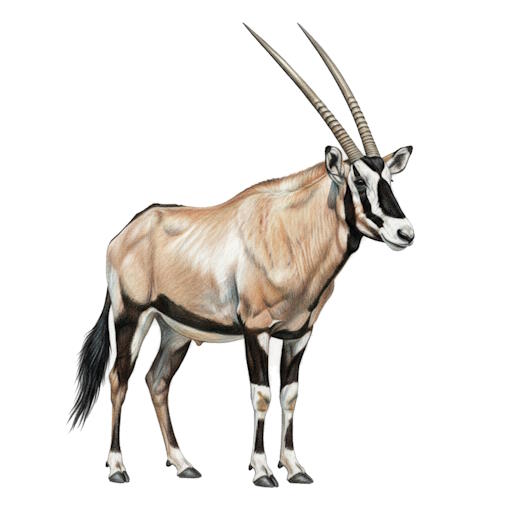
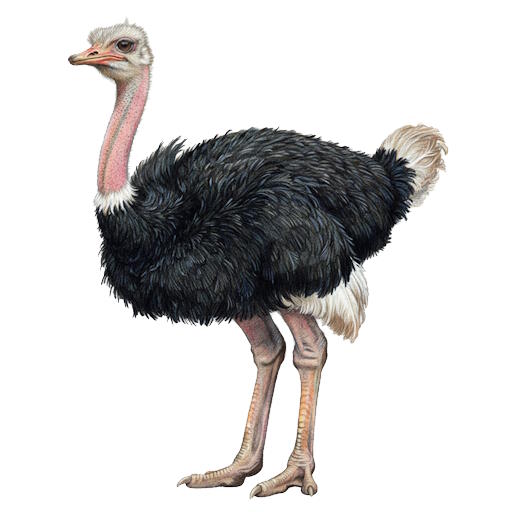
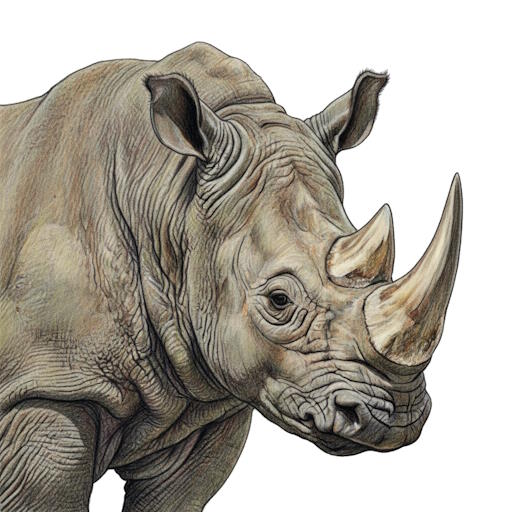
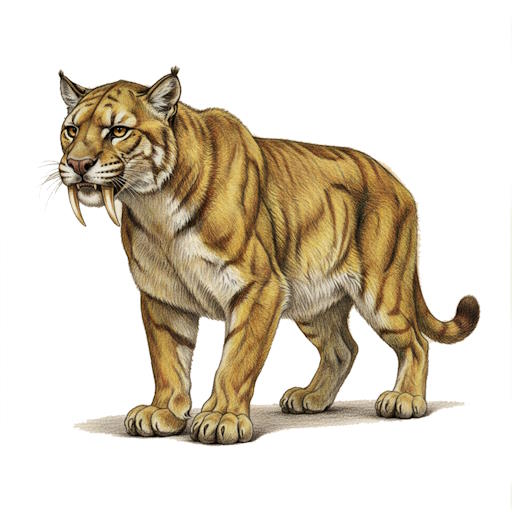
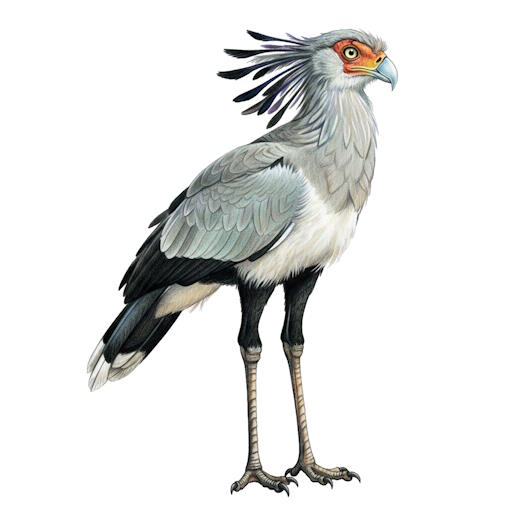
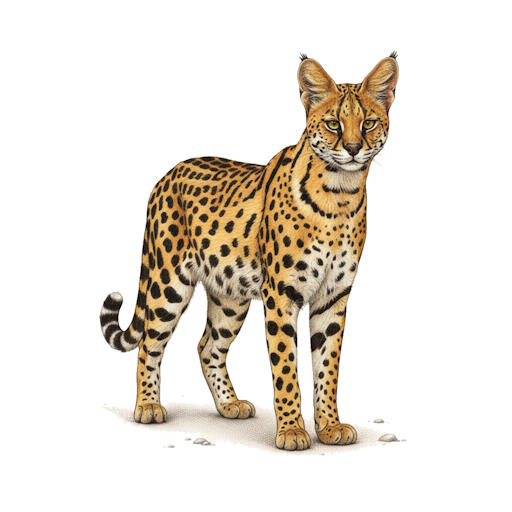
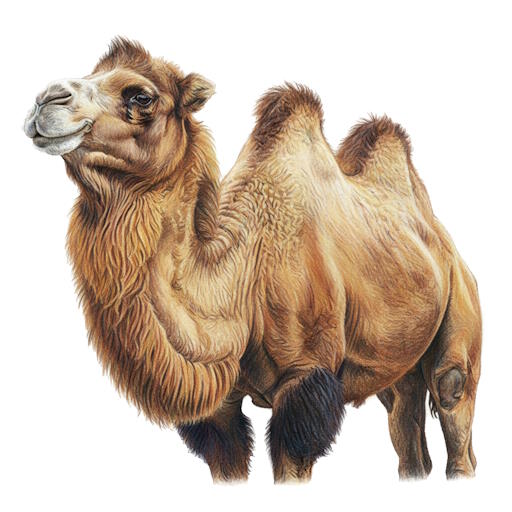
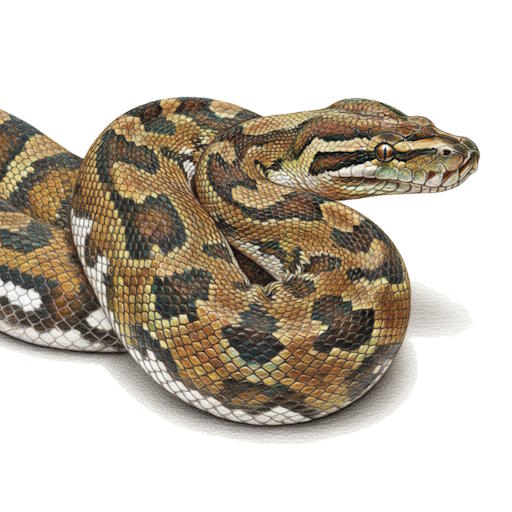
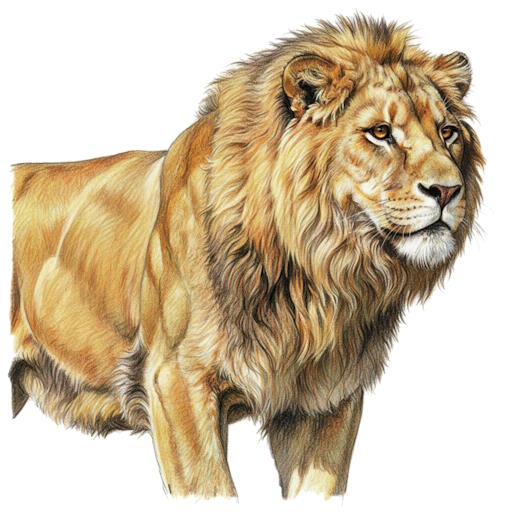
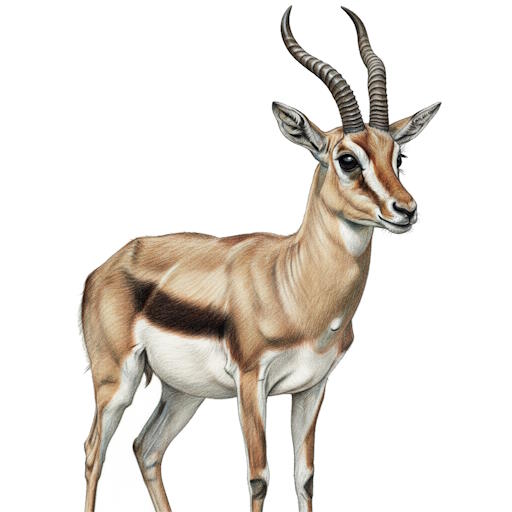
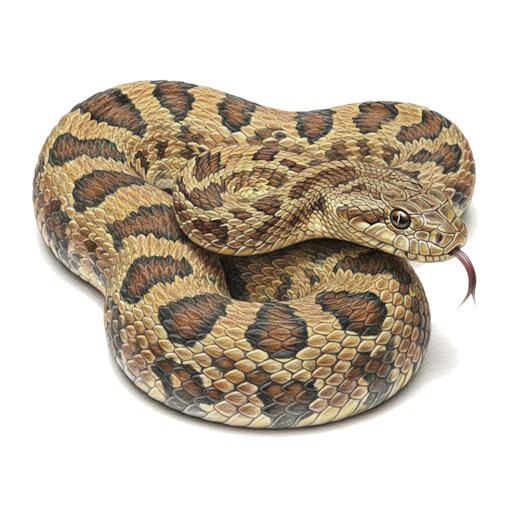
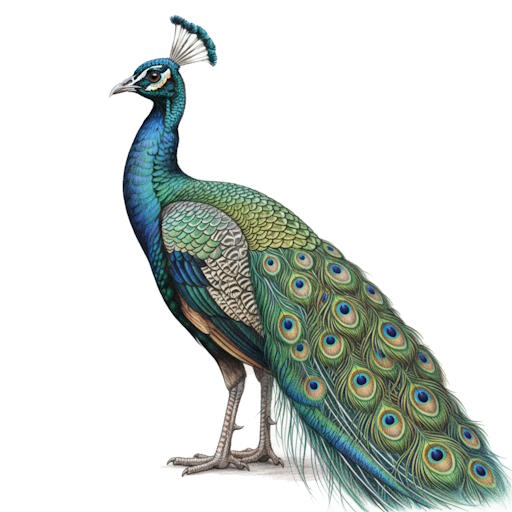
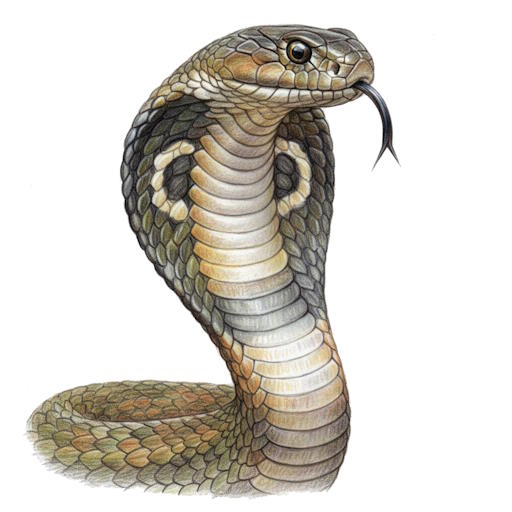
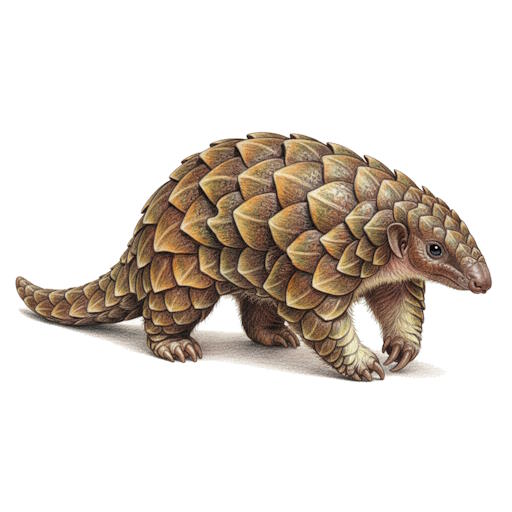
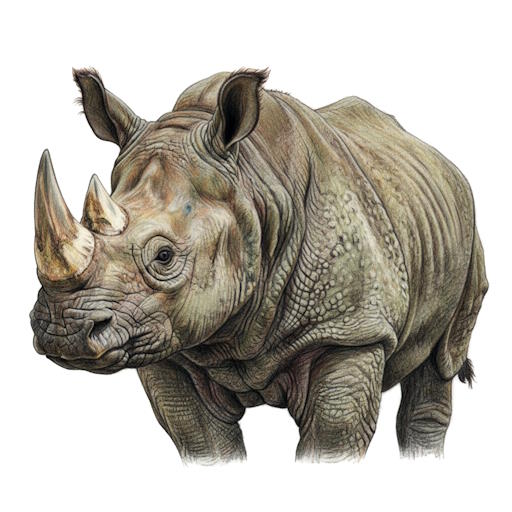
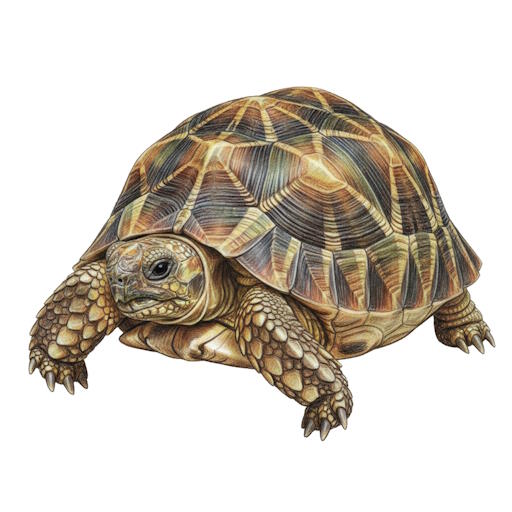
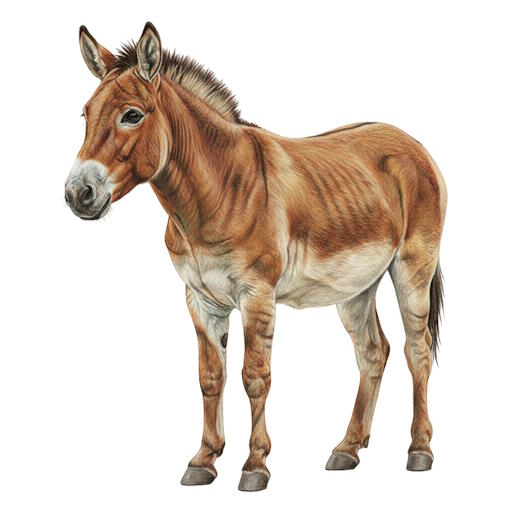
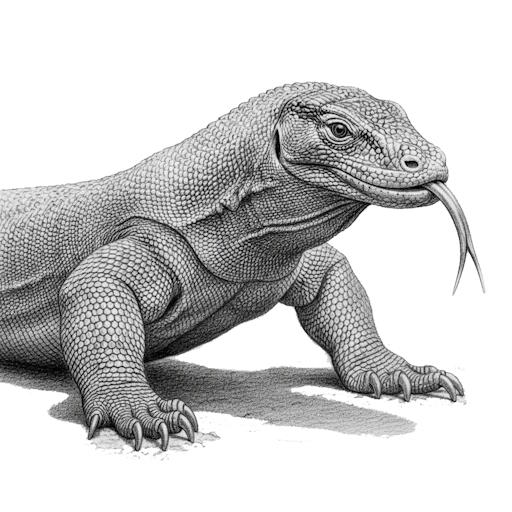
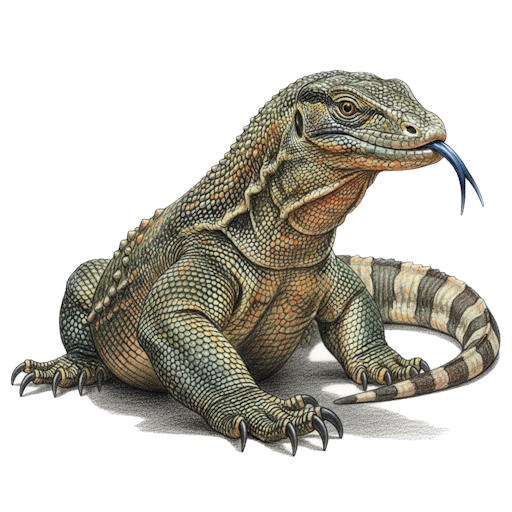
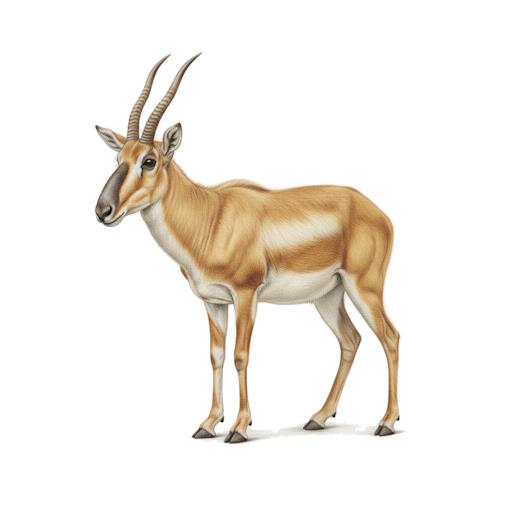
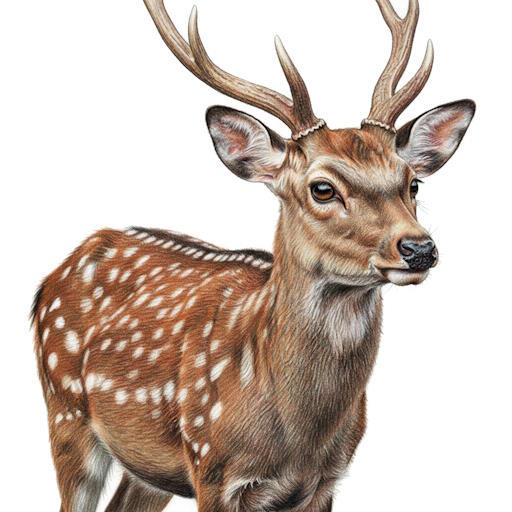
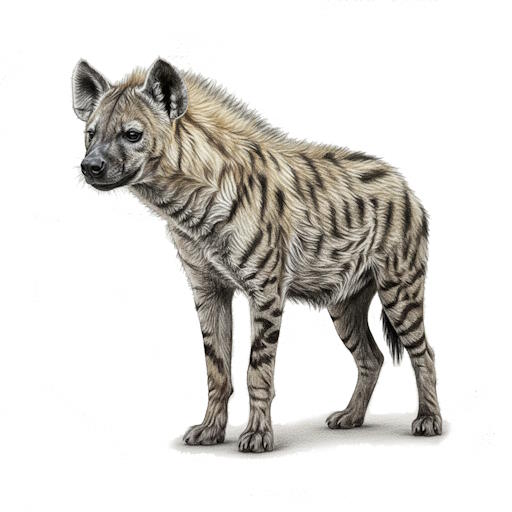
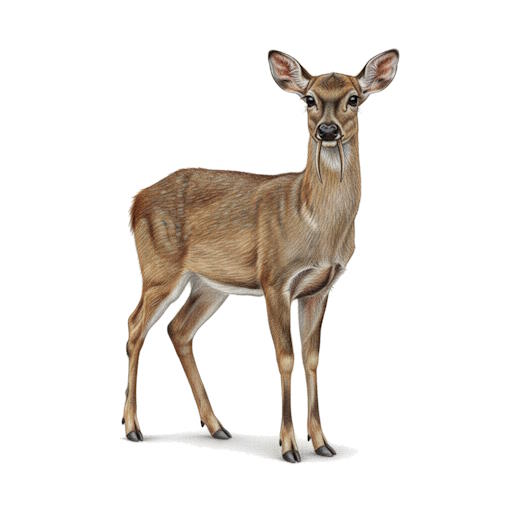
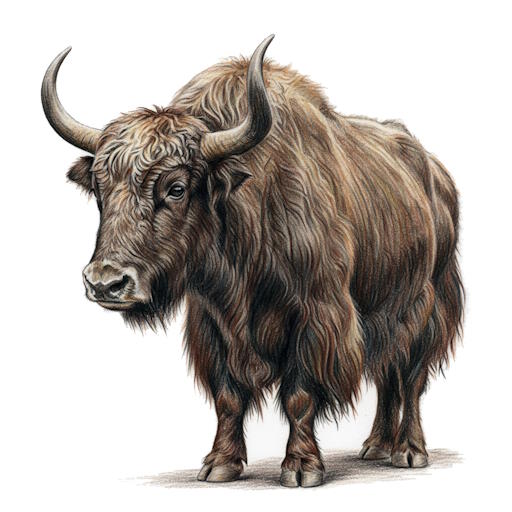
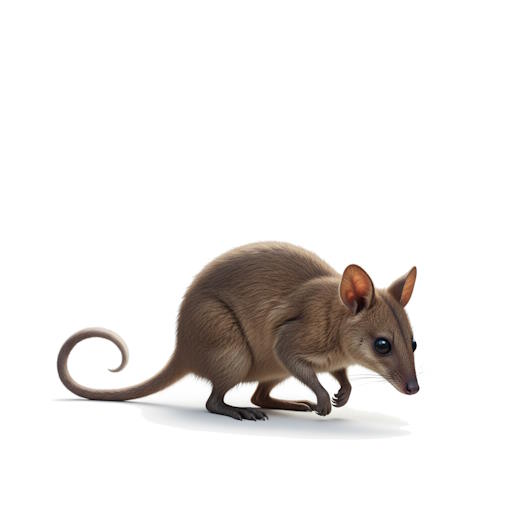
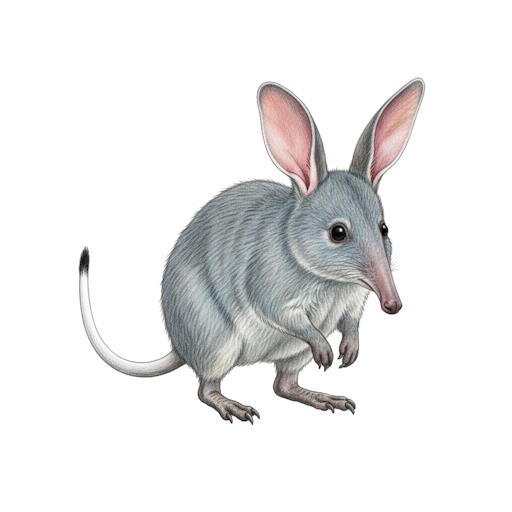
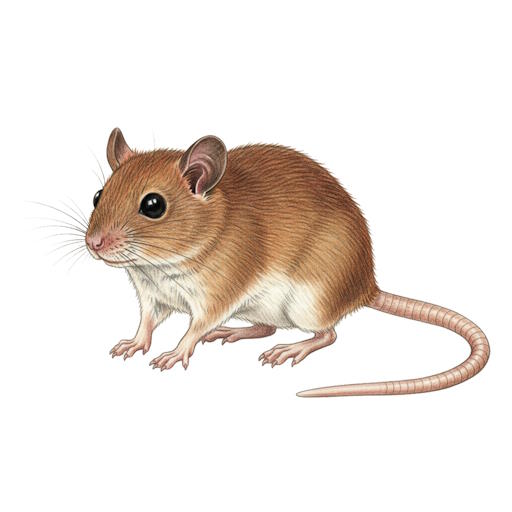
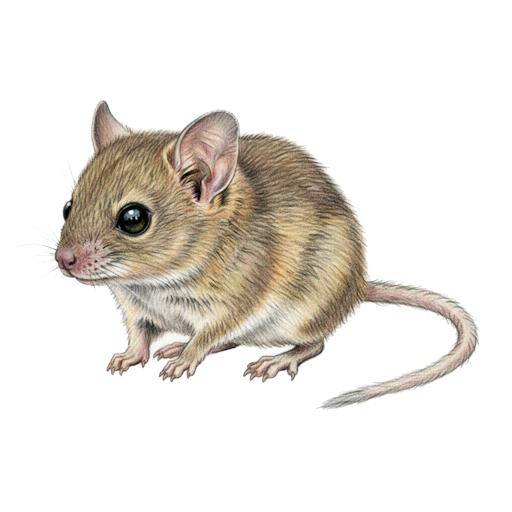
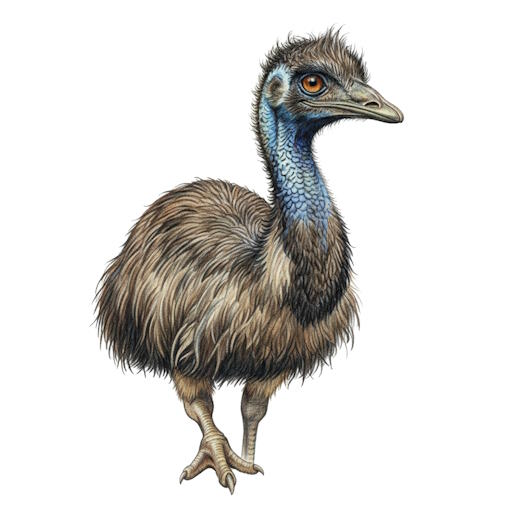
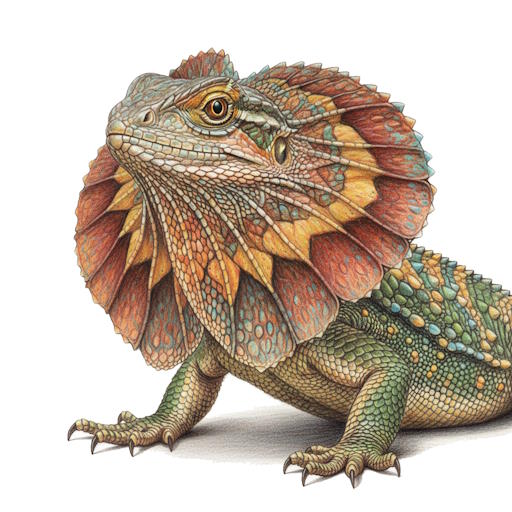
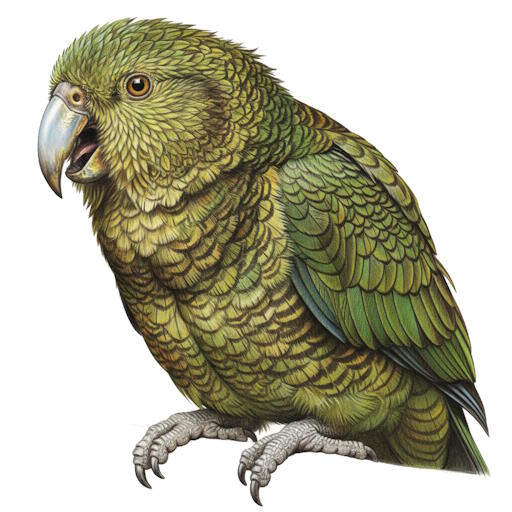
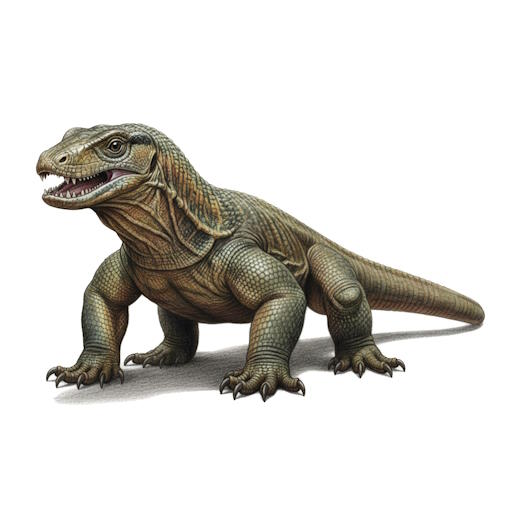
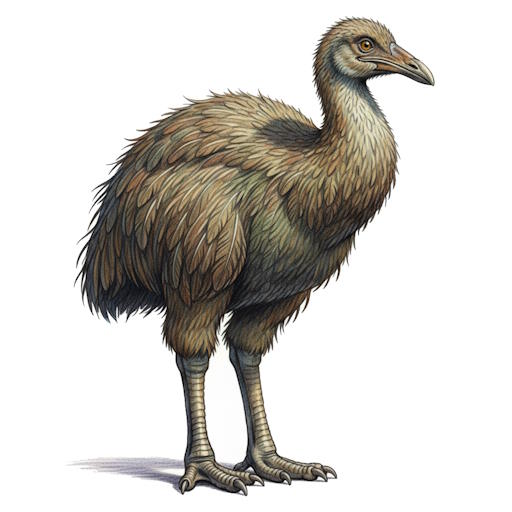
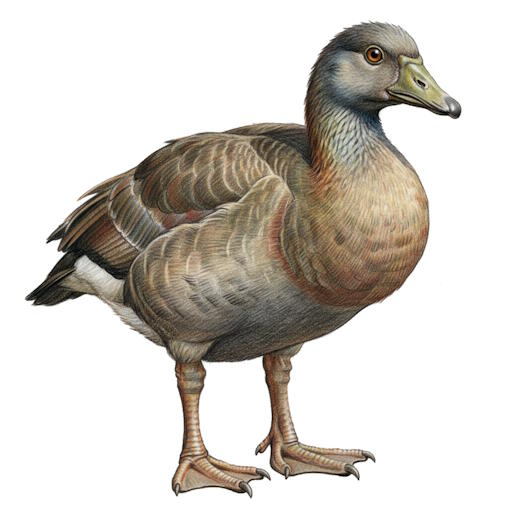
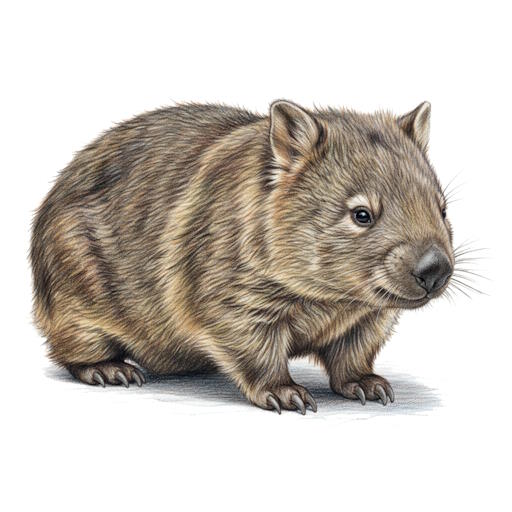
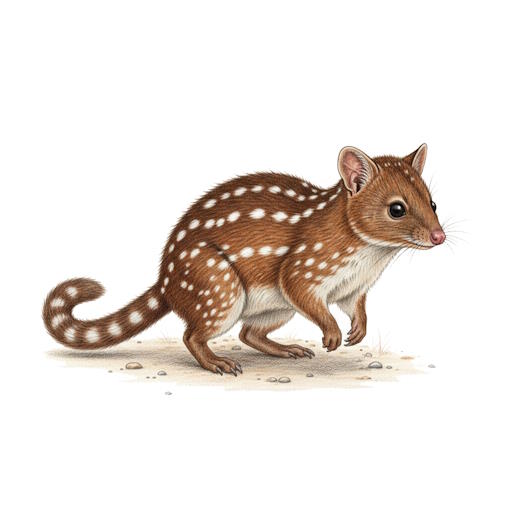
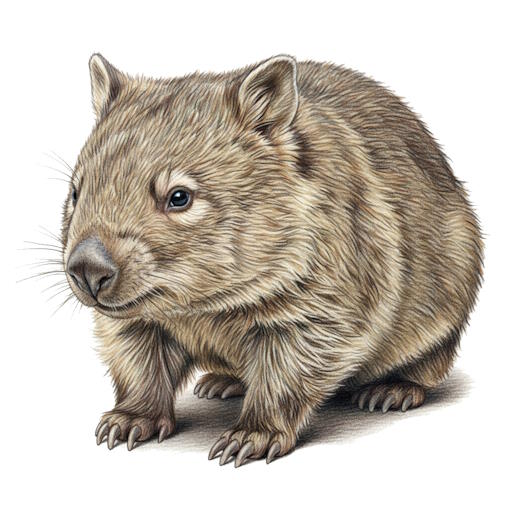
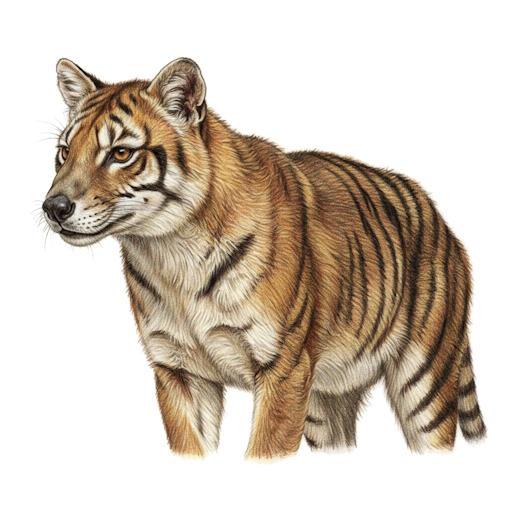
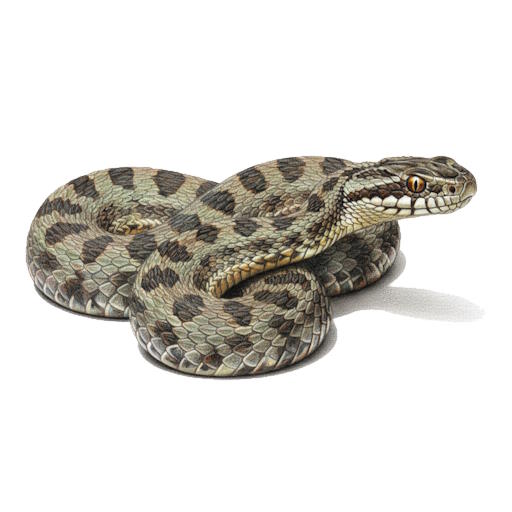
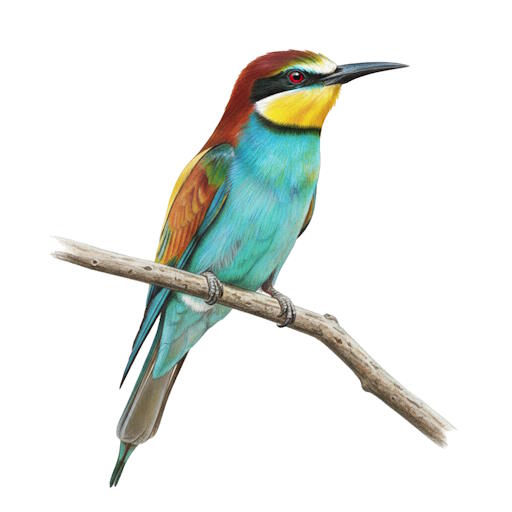
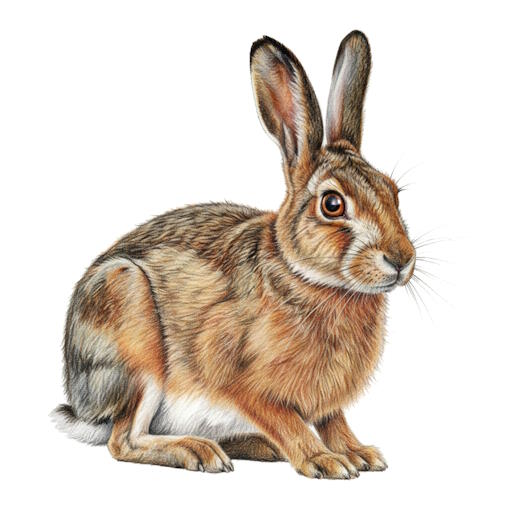
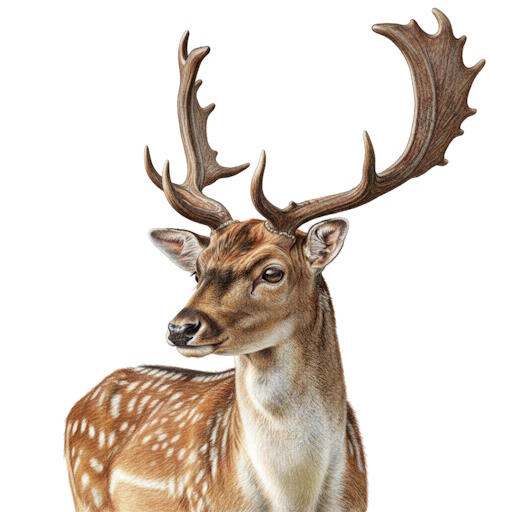
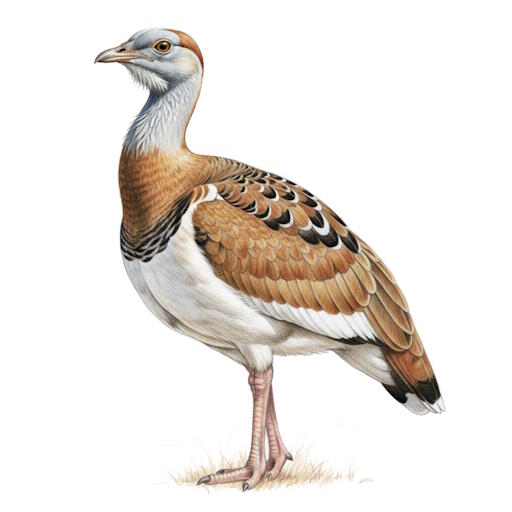
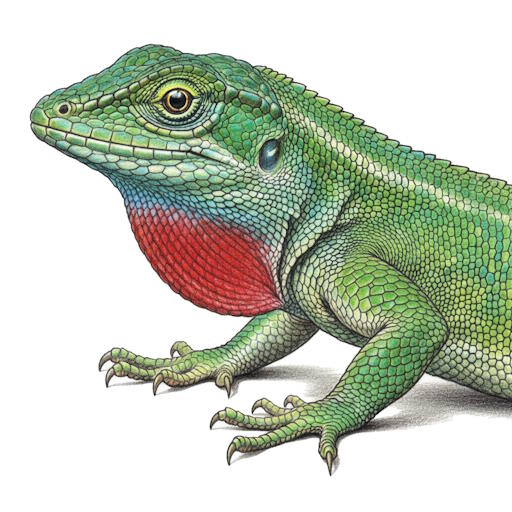
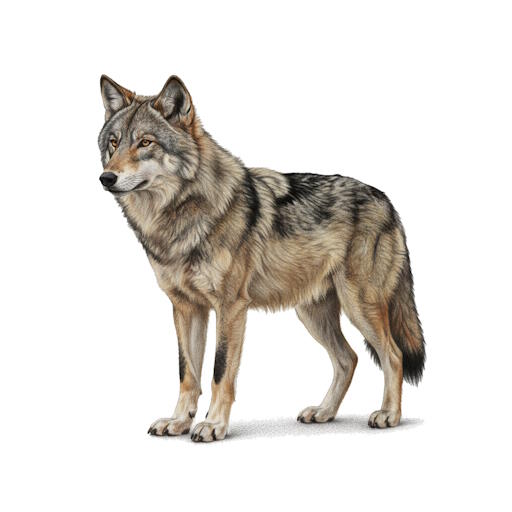
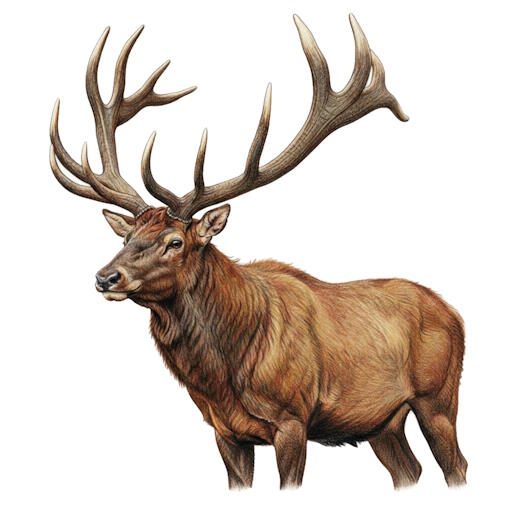
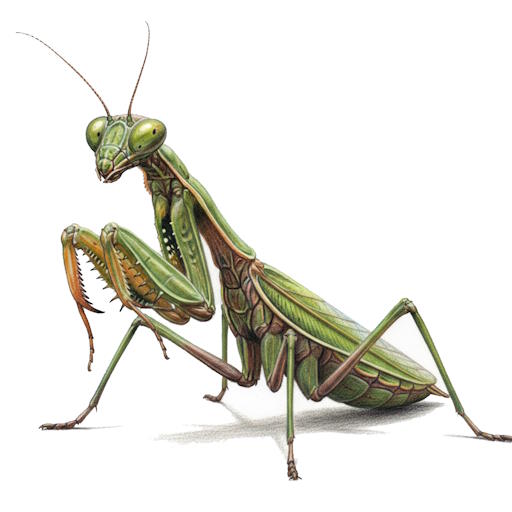
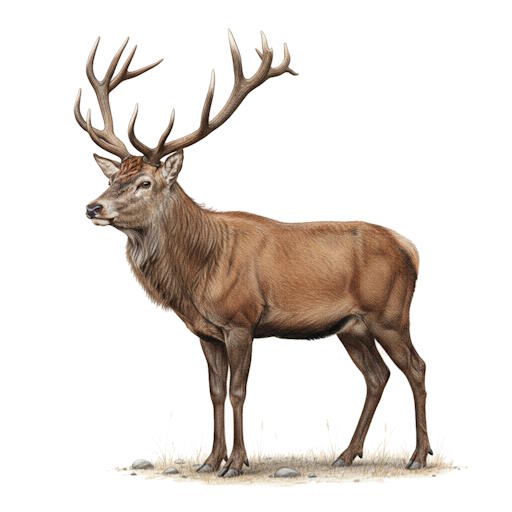
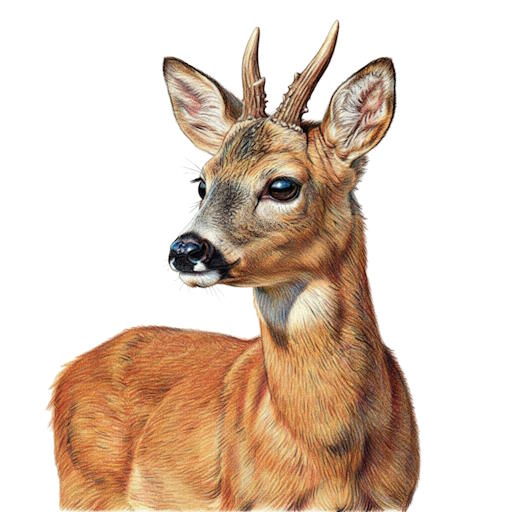
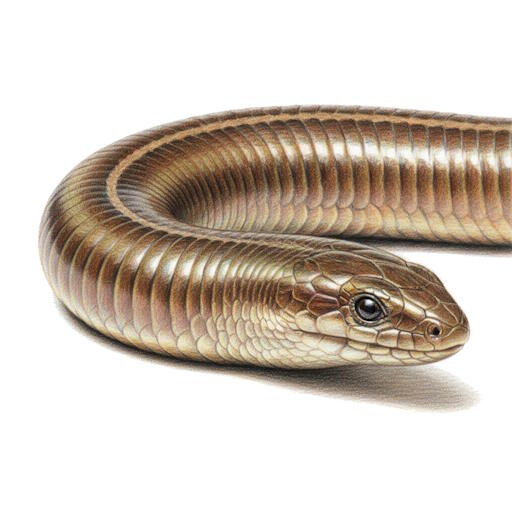
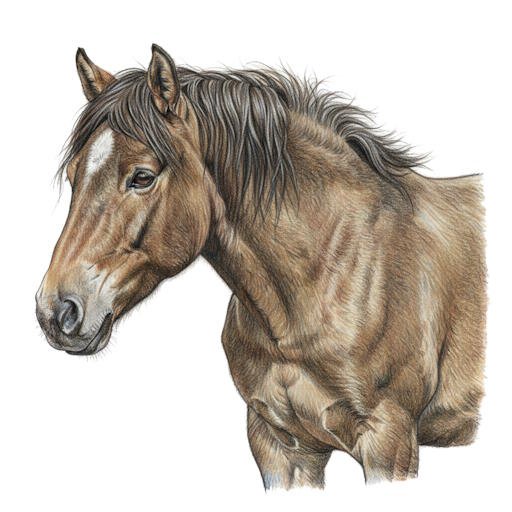
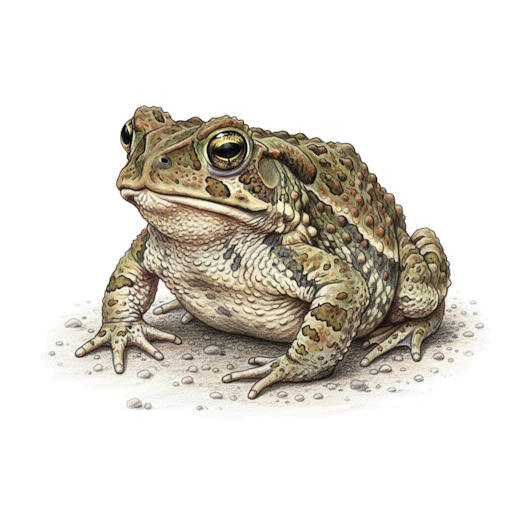
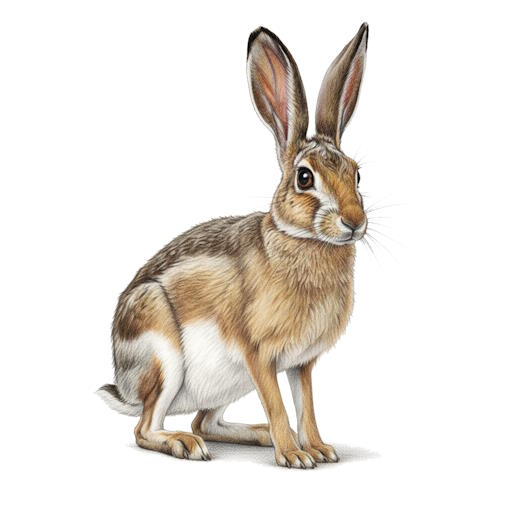
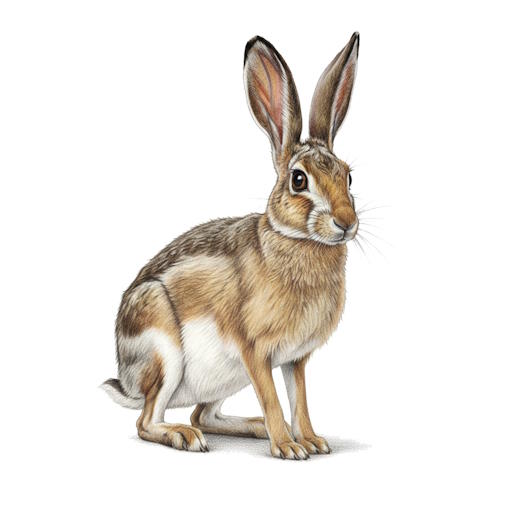
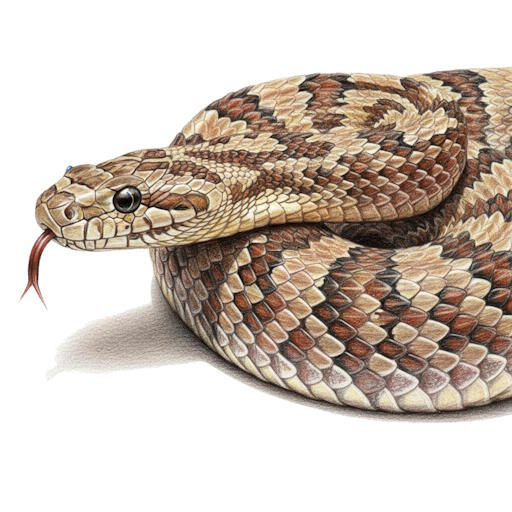
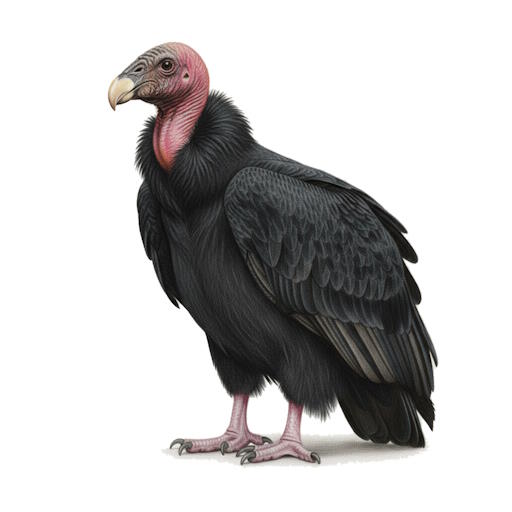
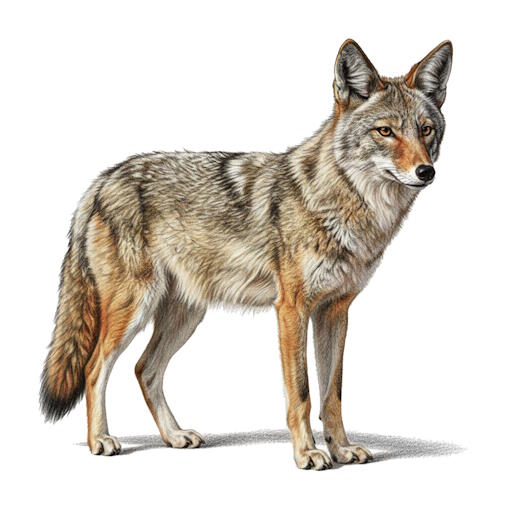
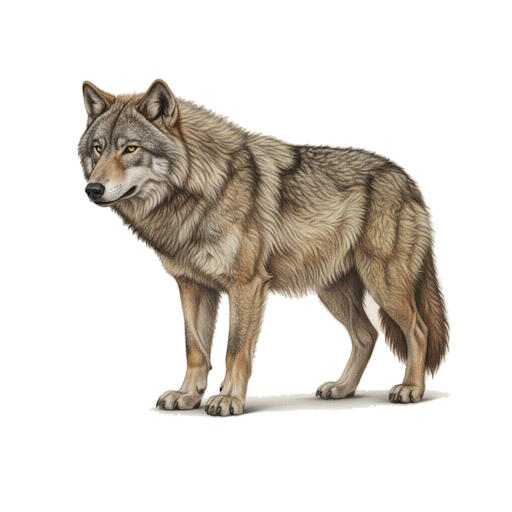
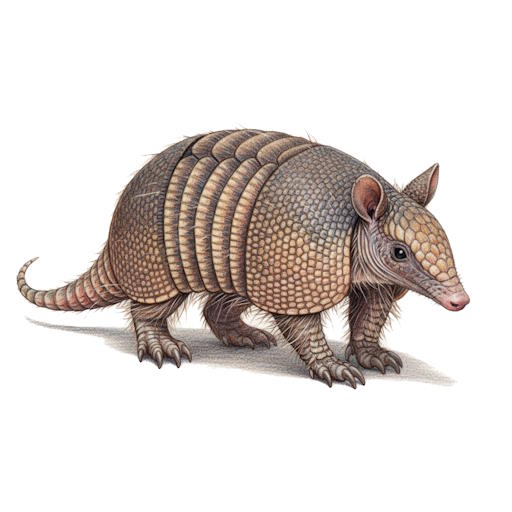
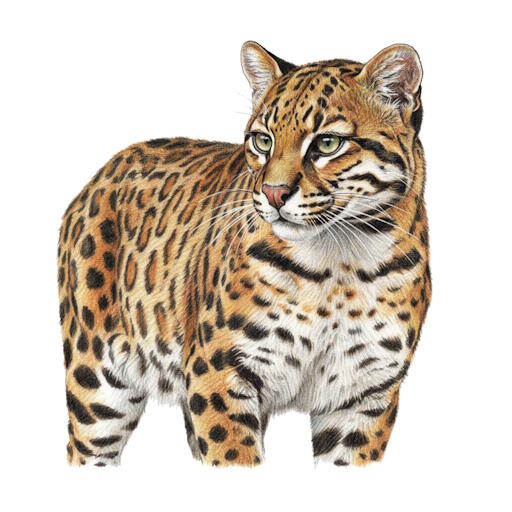
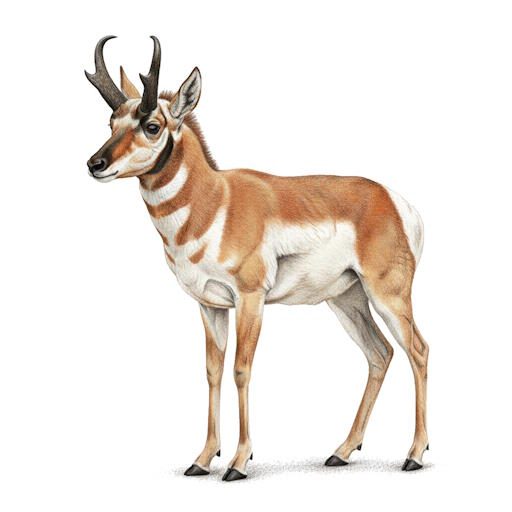
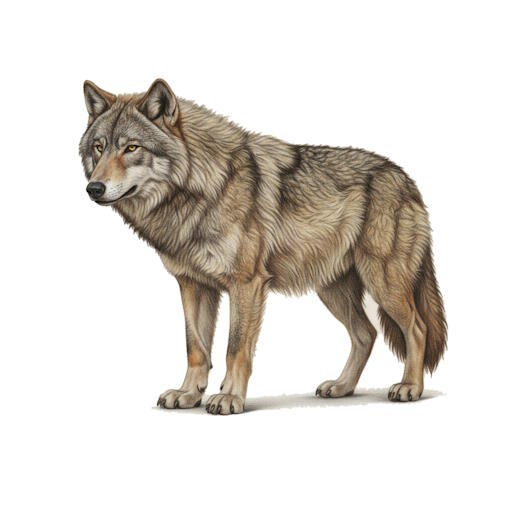
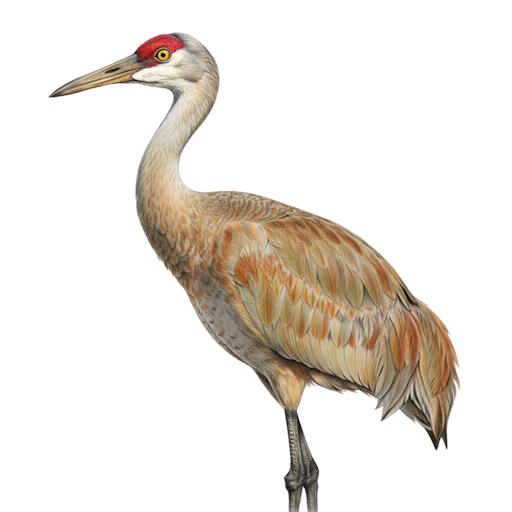
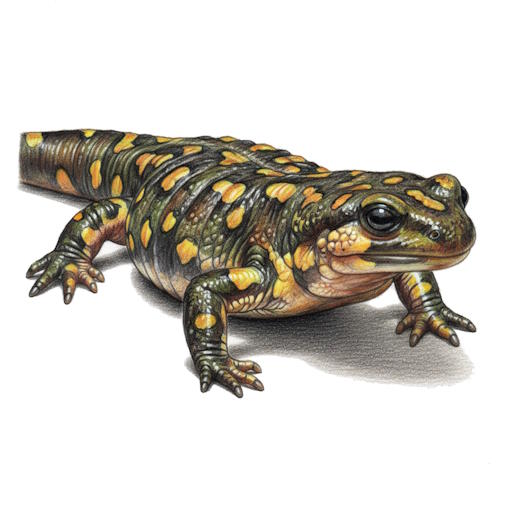
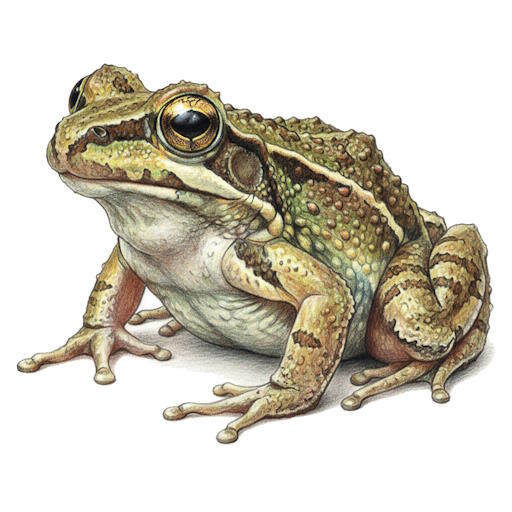
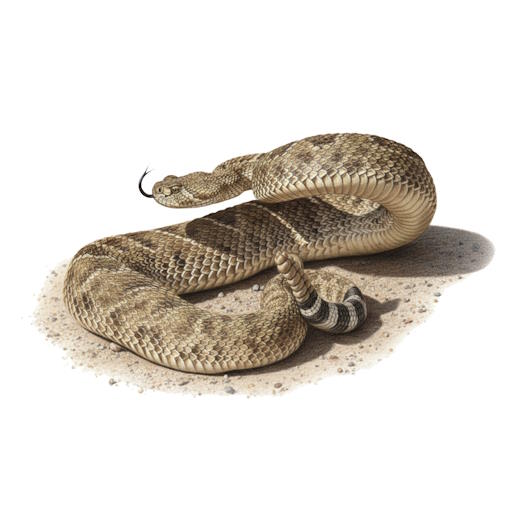
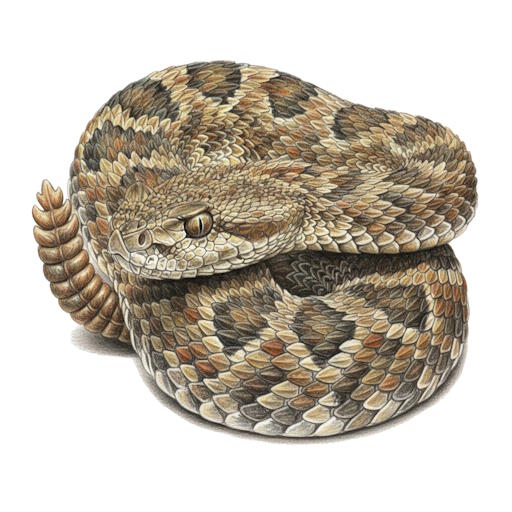
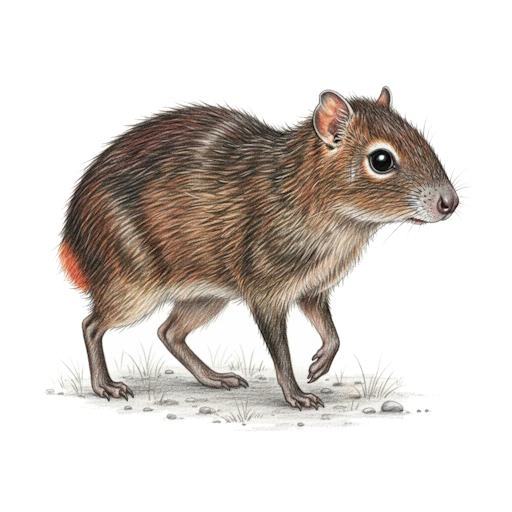
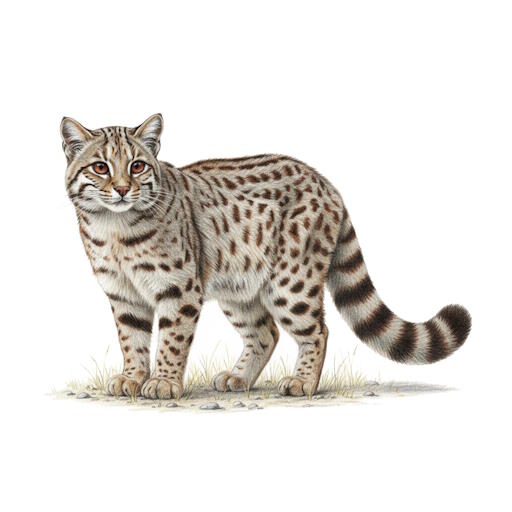
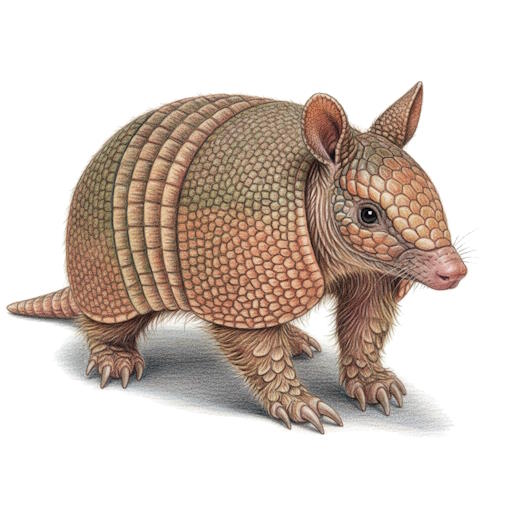
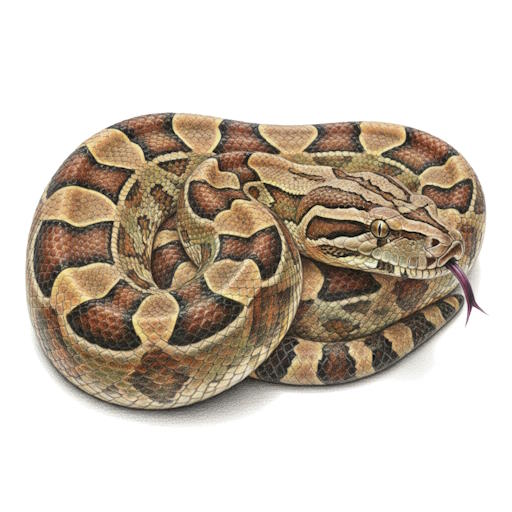
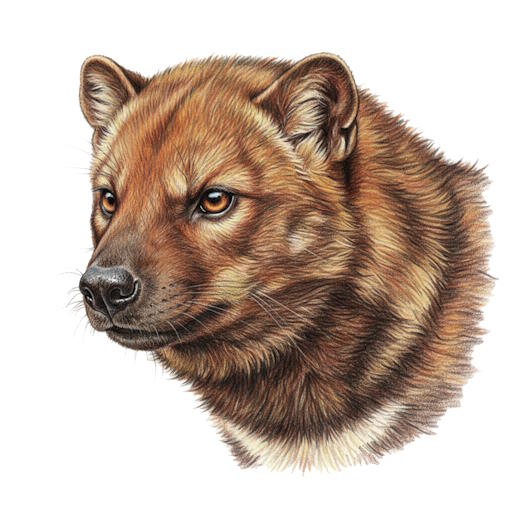
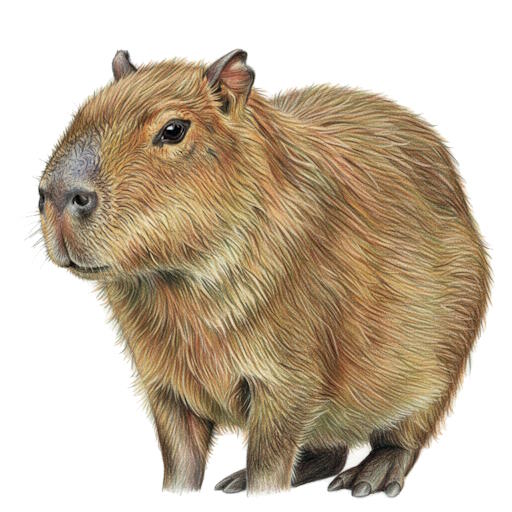
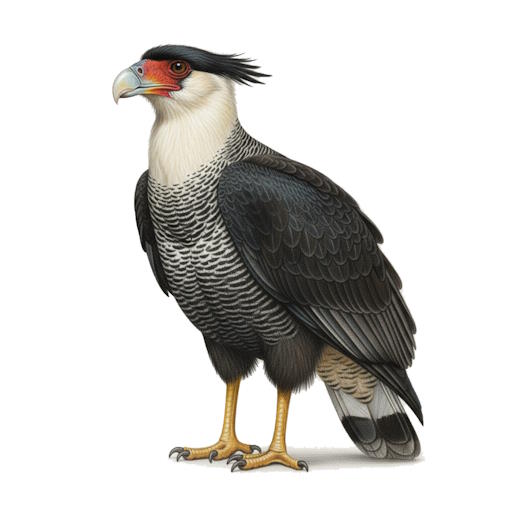
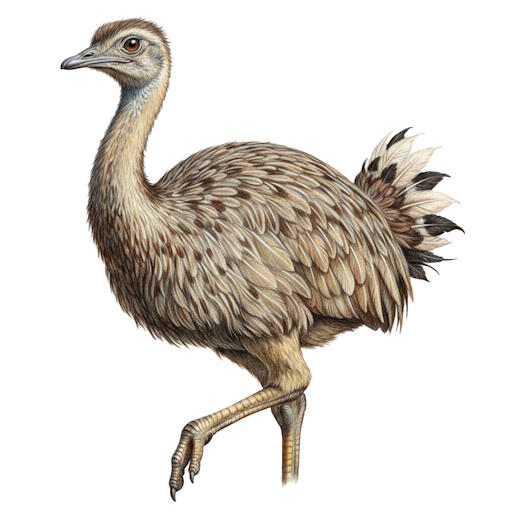
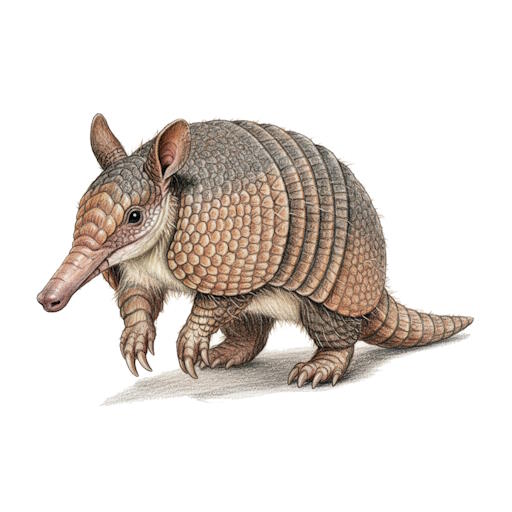
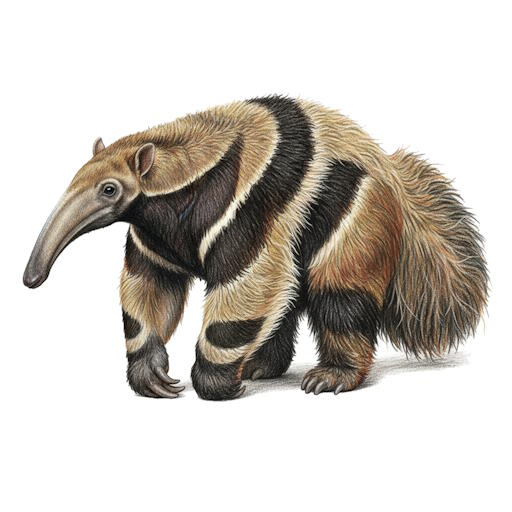
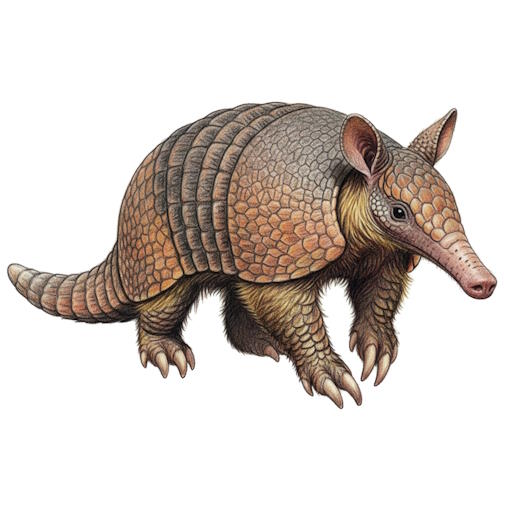
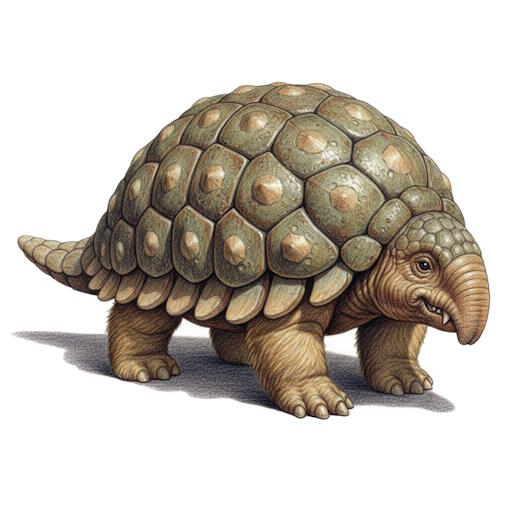
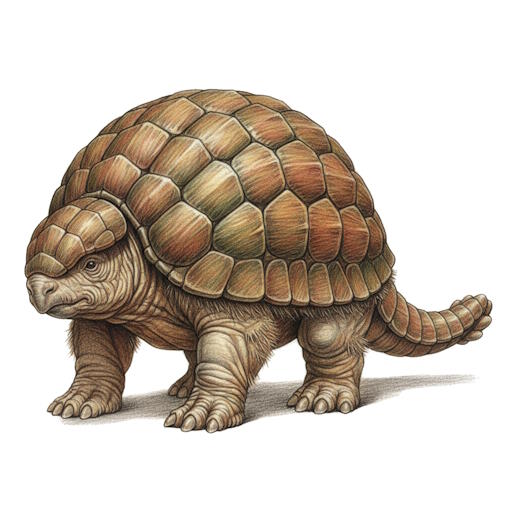
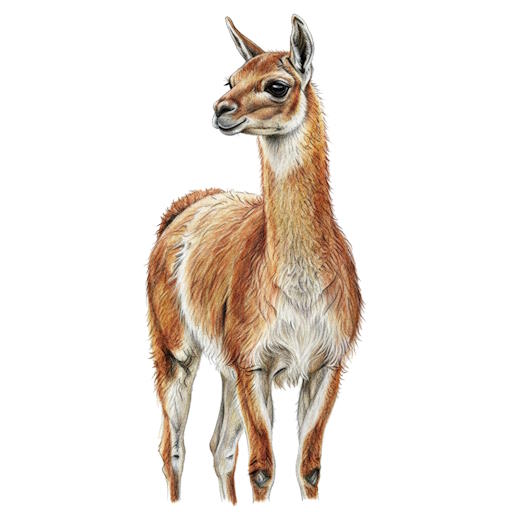
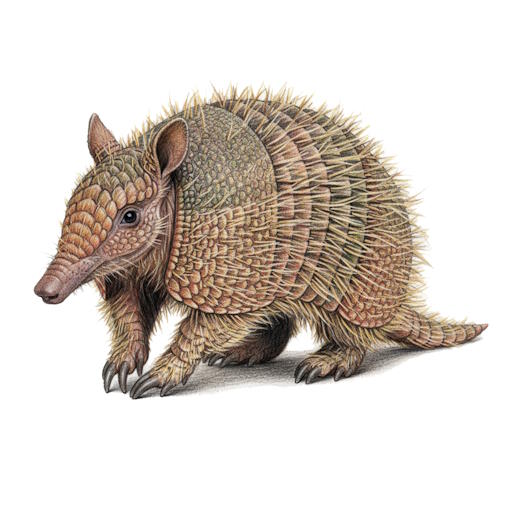
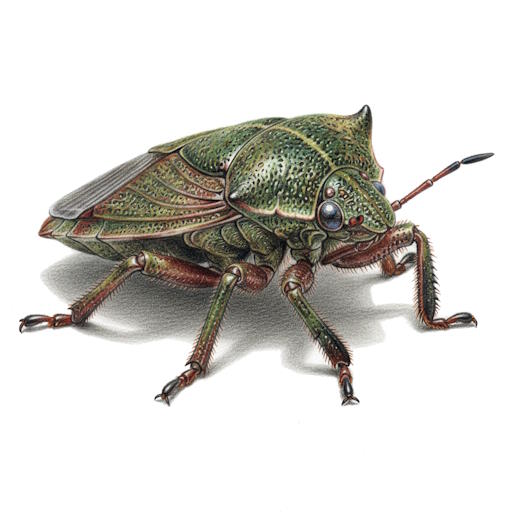
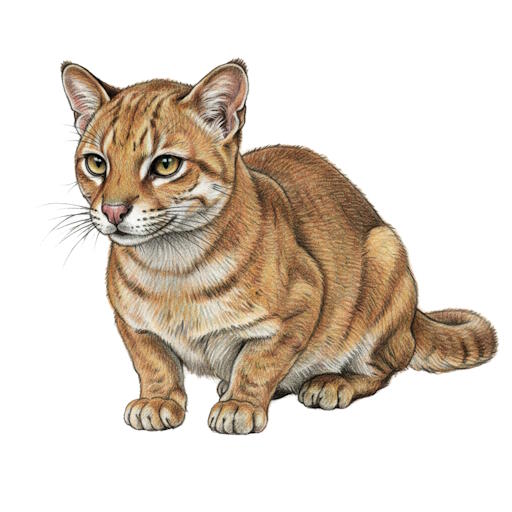
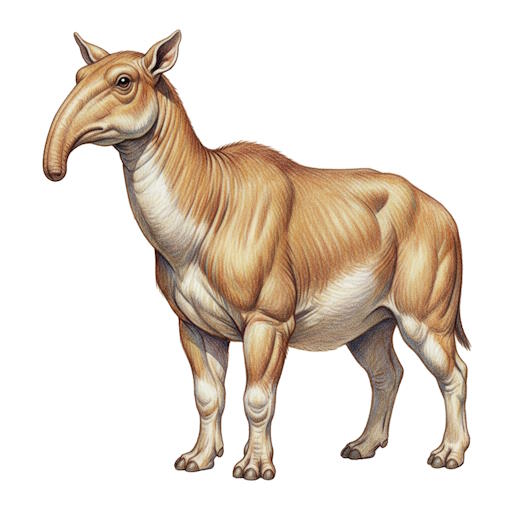
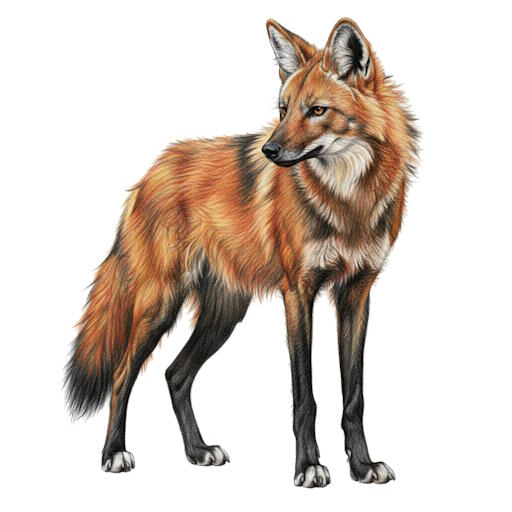
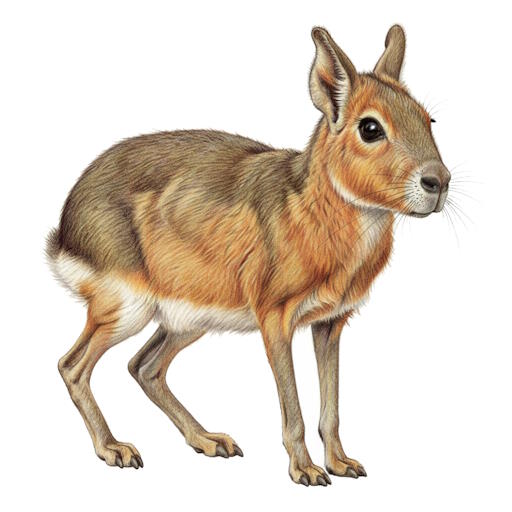
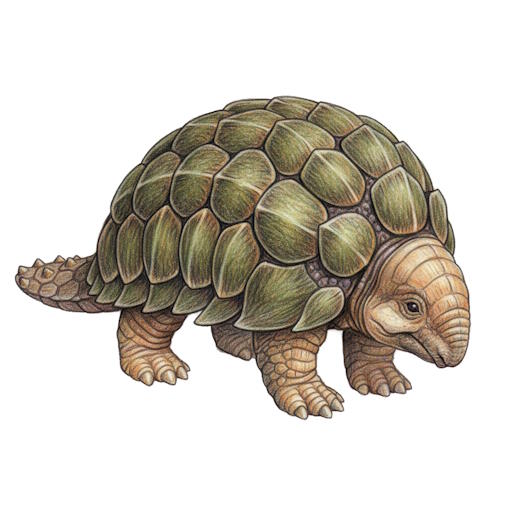
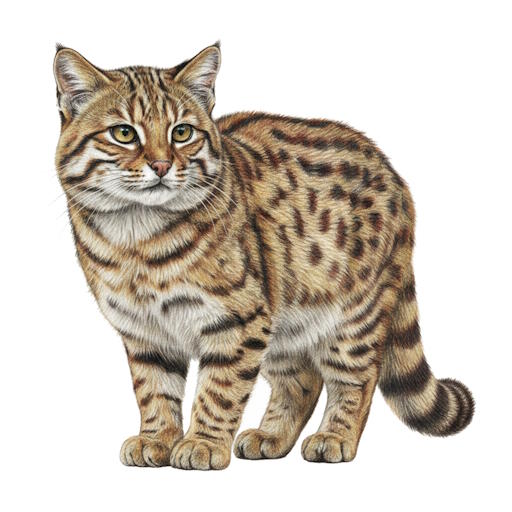
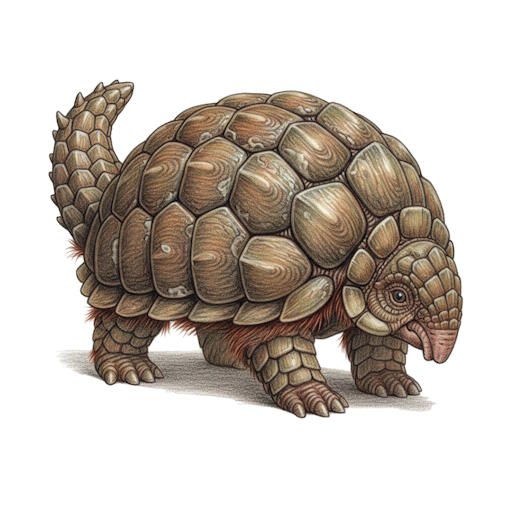
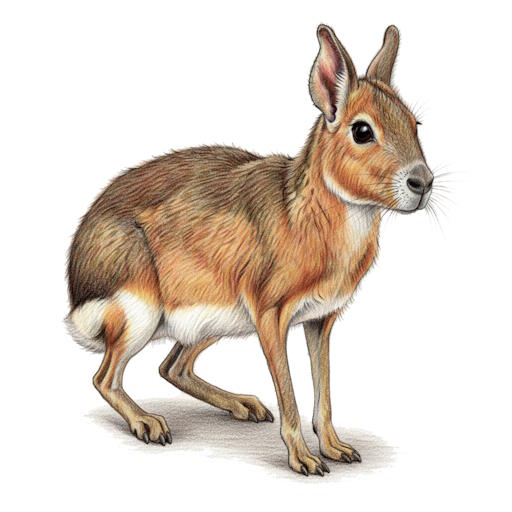
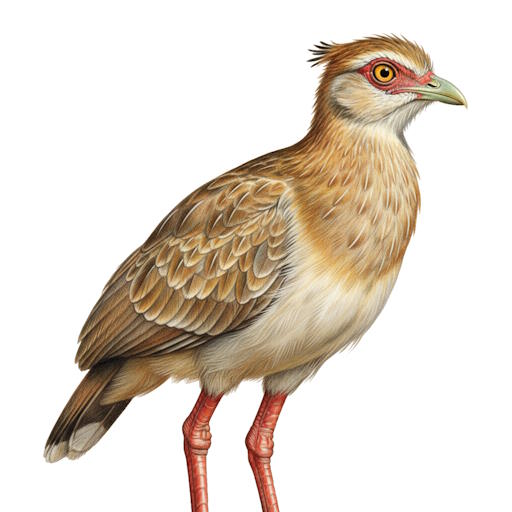
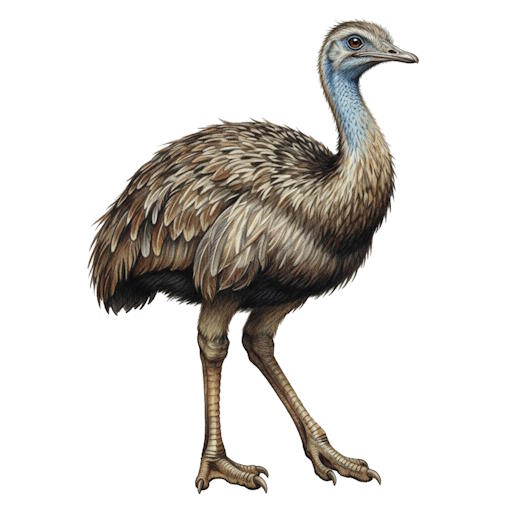
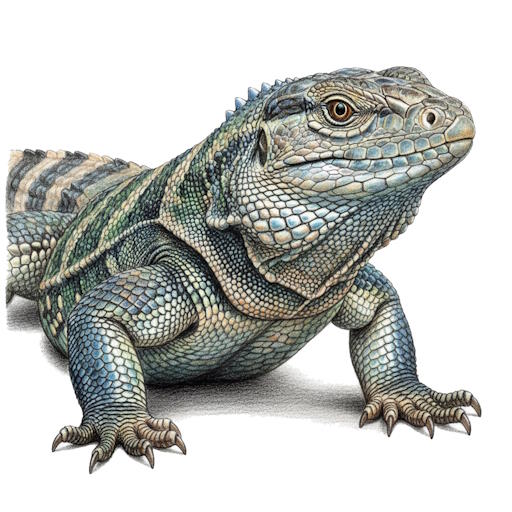
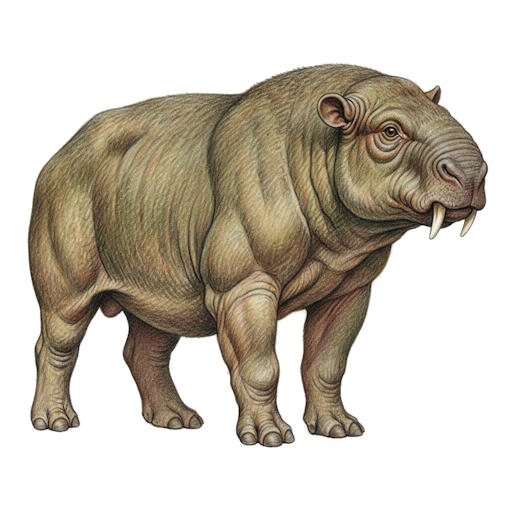
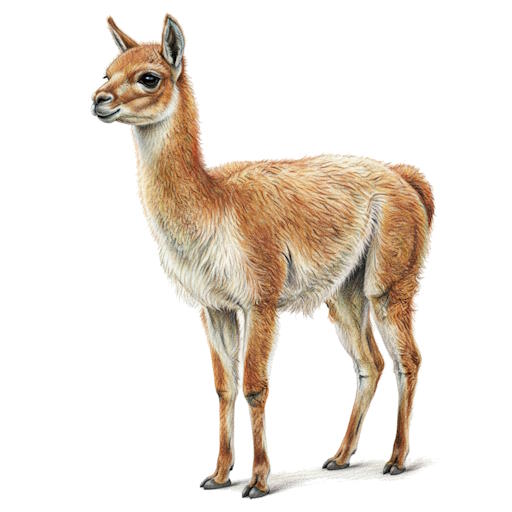
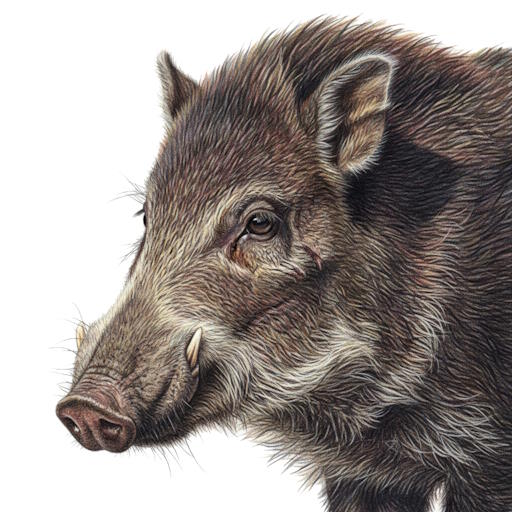
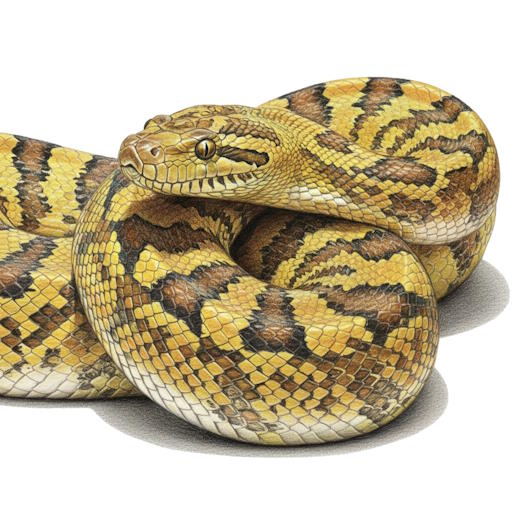
Animals which live in Grassland and Savanna Biome
Click on an image to learn more about one of the animals.