Rocky/Steep Habitats
Explore the awe-inspiring world of Rocky/Steep Habitats, biomes defined by their dramatic geological features and extreme conditions. These captivating environments encompass a diverse array of landscapes, including towering mountains, sheer cliffs, deep canyons, rugged rocky slopes, mysterious caves, and volcanic islands. Despite their harshness, these habitats are home to remarkably resilient flora and fauna, making them crucial for biodiversity and scientific study.
What are Rocky/Steep Habitats?
Rocky/Steep Habitats are characterized by their dominant geological formations, typically involving significant elevation changes, exposed rock, and limited soil development. The "Sub Habitats" within this biome include:
Mountains: Grand, elevated landforms with steep sides and often pointed or rounded tops, featuring distinct altitudinal zones.
Cliffs: Vertical or near-vertical rock faces, often found along coastlines, rivers, or in mountainous regions.
Canyons: Deep gorges, typically formed by river erosion, with steep sides and often a river or stream flowing through the bottom.
Rocky Slopes: Inclined terrains covered in loose rocks, boulders, and scree, posing challenges for vegetation.
Caves: Natural underground cavities formed by geological processes, offering unique lightless environments.
Volcanic Islands: Islands formed by volcanic activity, often featuring rugged terrain, lava flows, and unique ecosystems.
Key Characteristics of Rocky/Steep Habitats:
- Extreme Topography: The defining feature is the dramatic change in elevation, creating diverse microclimates and challenging living conditions.
- Sparse Vegetation (Often Specialized): Plant life is often limited to species adapted to thin soils, strong winds, and extreme temperatures, such as lichens, mosses, and hardy shrubs.
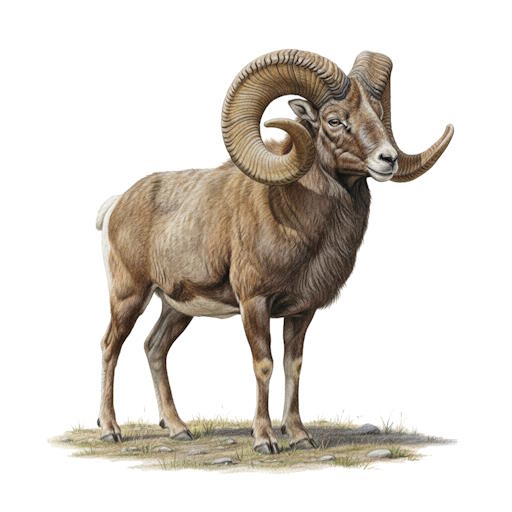
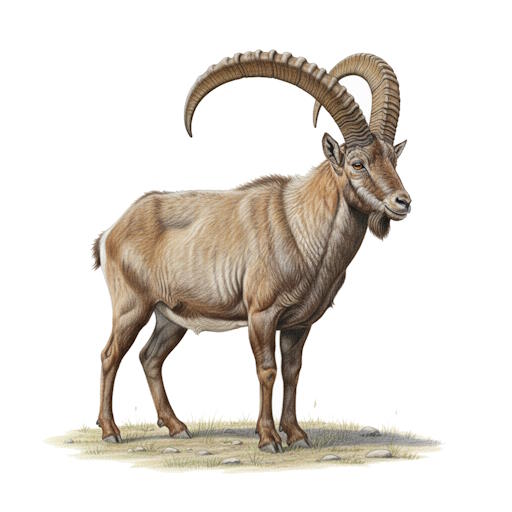
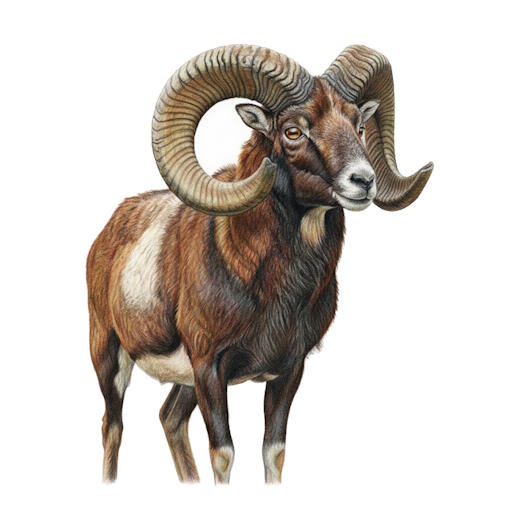
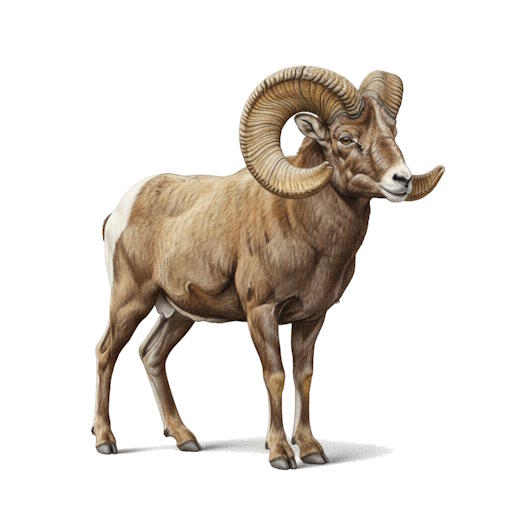
- Unique Biodiversity: Many species found in these habitats are endemic, having evolved specialized adaptations to cope with the harsh environment, including mountain goats, eagles, and specific cave-dwelling organisms.
- Harsh Climates: Temperatures can fluctuate wildly, with intense sun exposure during the day and freezing conditions at night. High winds, limited water availability, and extreme weather events are common.
- Geological Processes: Active geological processes like erosion, weathering, and seismic activity continue to shape these dynamic landscapes.
Why are Rocky/Steep Habitats Important?
- Ecological Niches: They provide unique habitats for specialized species, contributing significantly to global biodiversity.
- Water Towers: Many mountainous regions act as "water towers," storing snow and ice that melt to feed rivers and provide freshwater to lowland areas.
- Recreational Value: These biomes offer breathtaking scenery and opportunities for outdoor activities like hiking, climbing, and spelunking.
- Scientific Research: They are invaluable for studying geological processes, climate change, and the evolution of adaptive traits in species.
Understanding and protecting Rocky/Steep Habitats is vital for preserving Earth's geological heritage and the unique life forms that call these dramatic landscapes home.
Other Biomes
There are lots of other biomes to explore. Check out all of our biomes for more info.
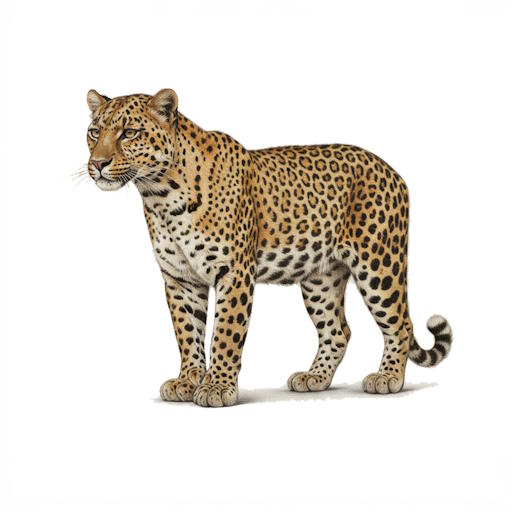
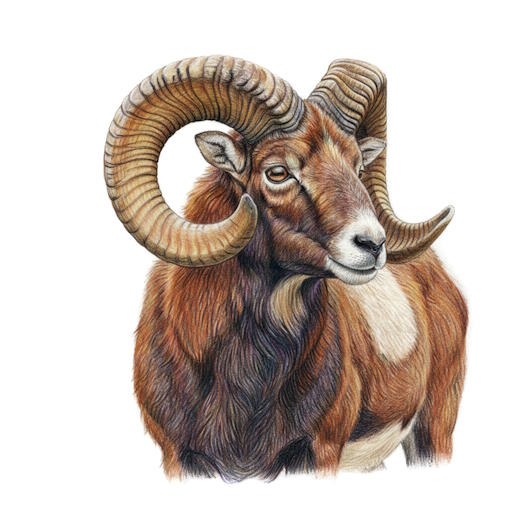
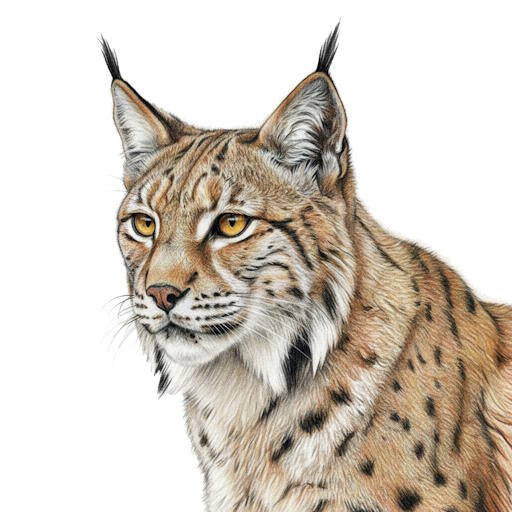
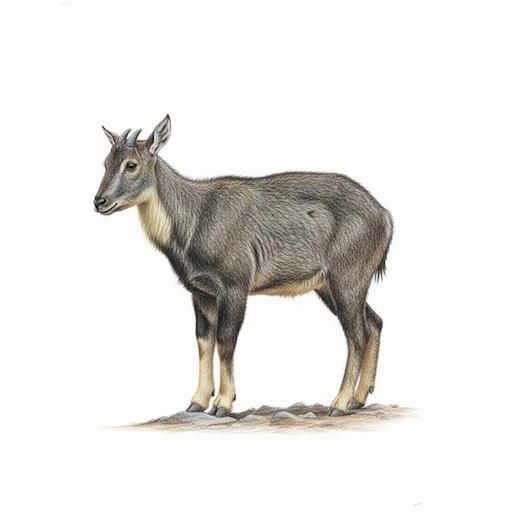
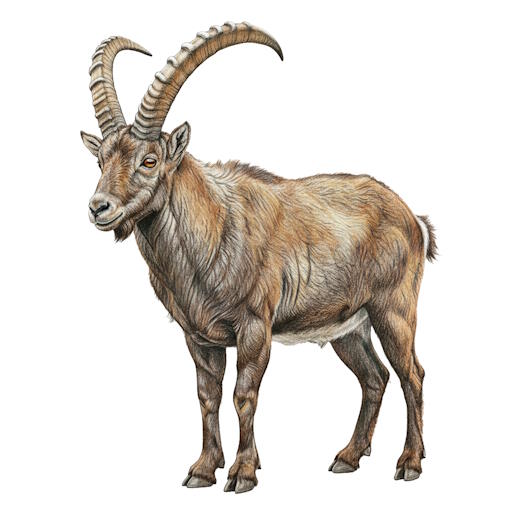
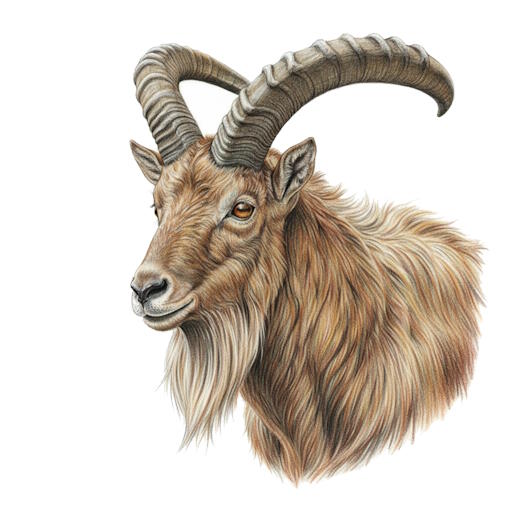
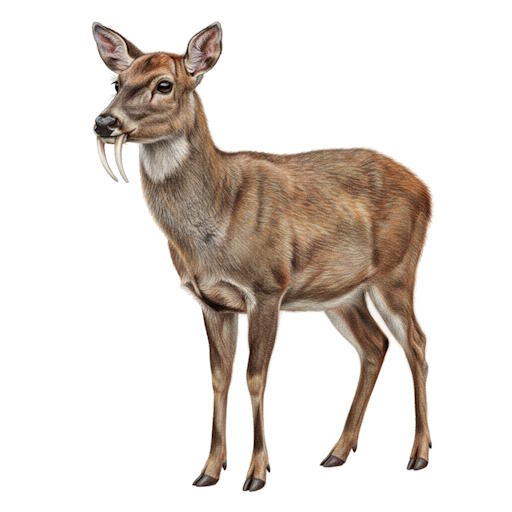
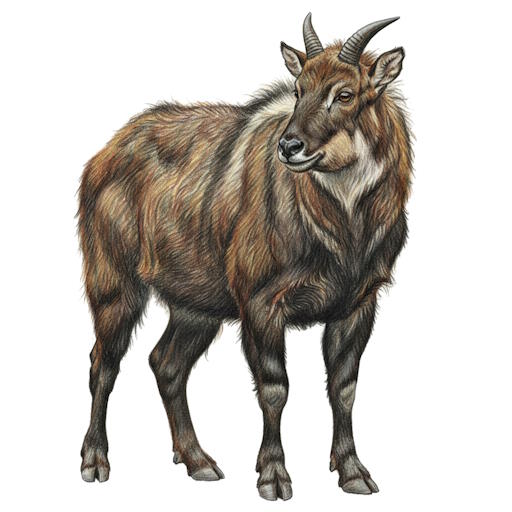
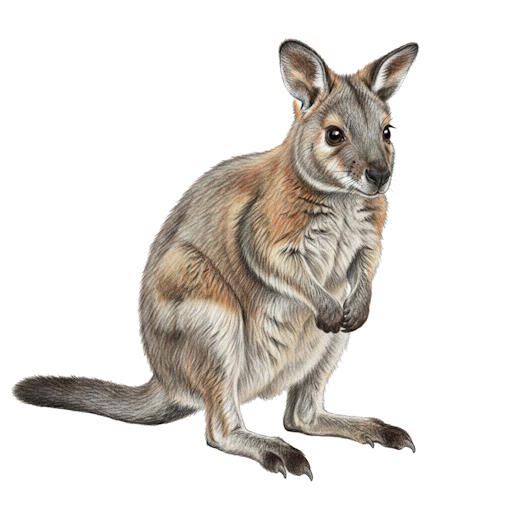
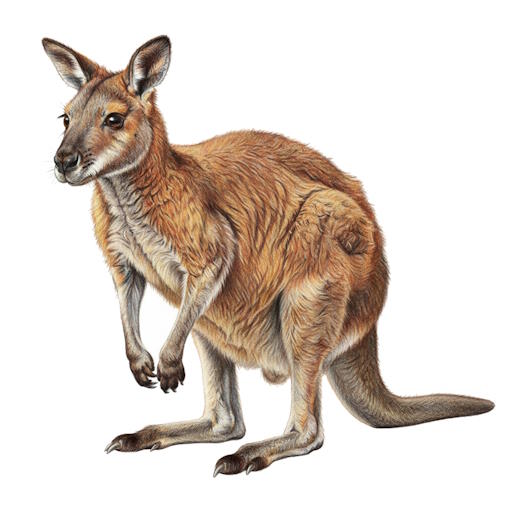
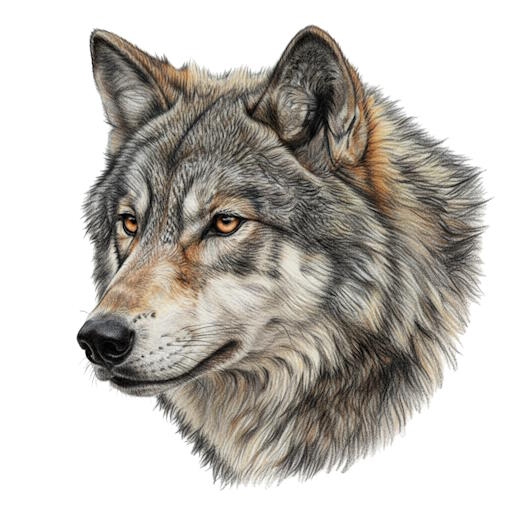
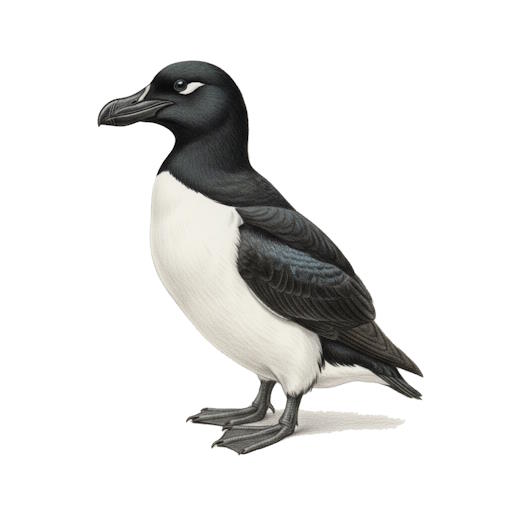
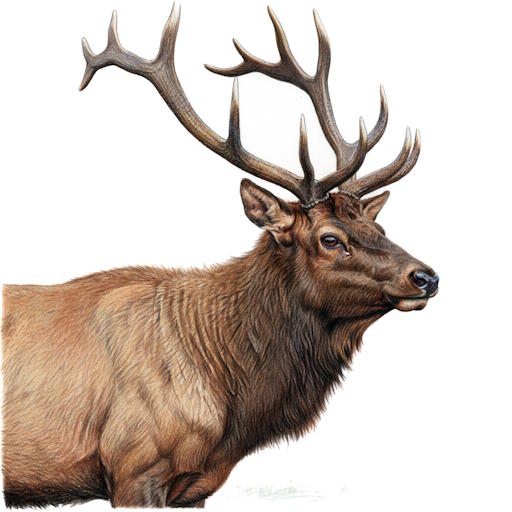
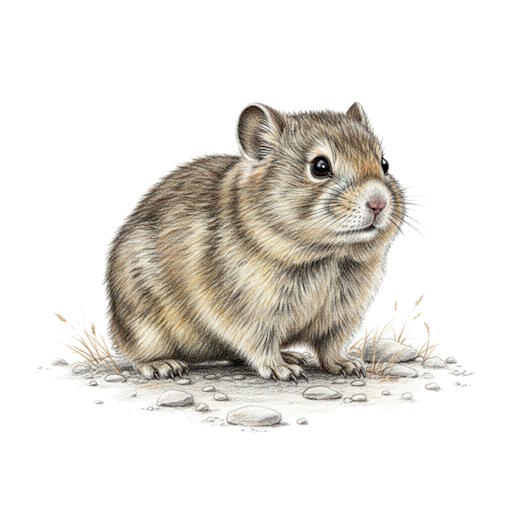
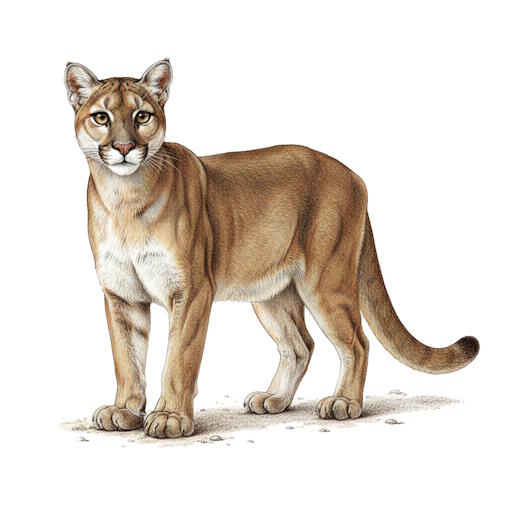
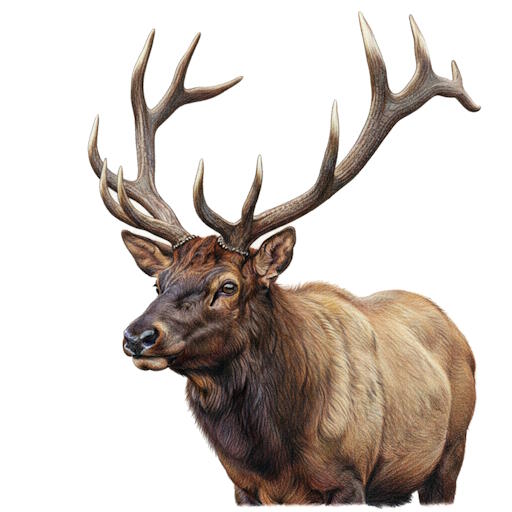
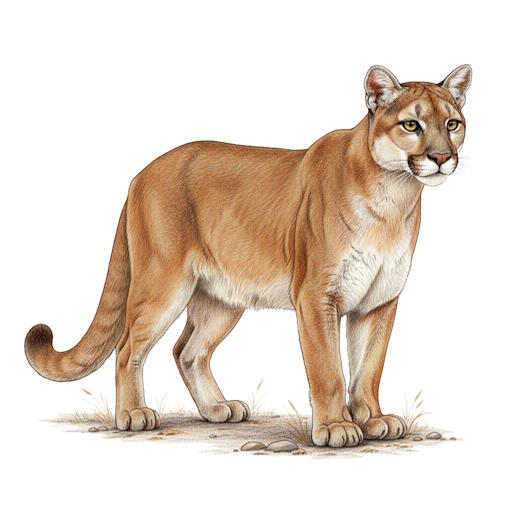
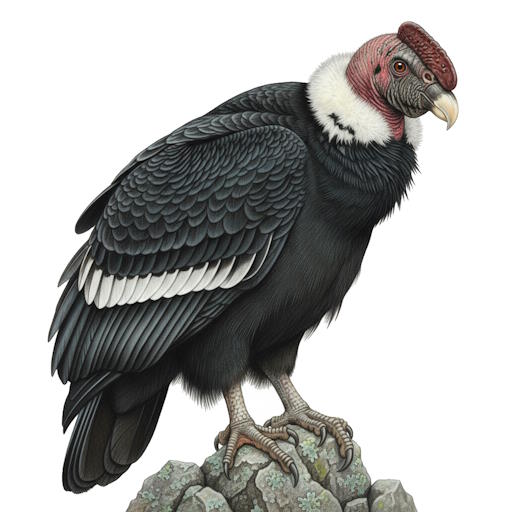
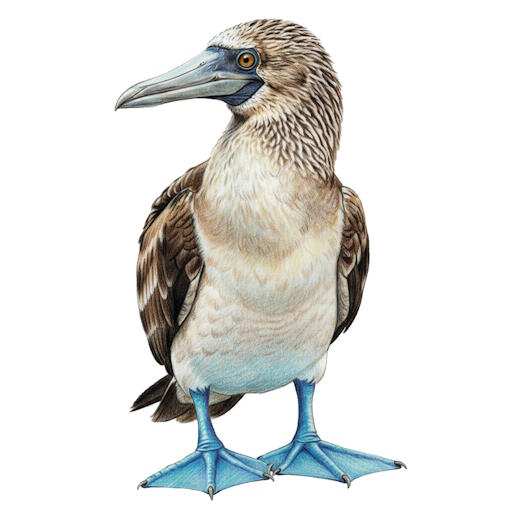
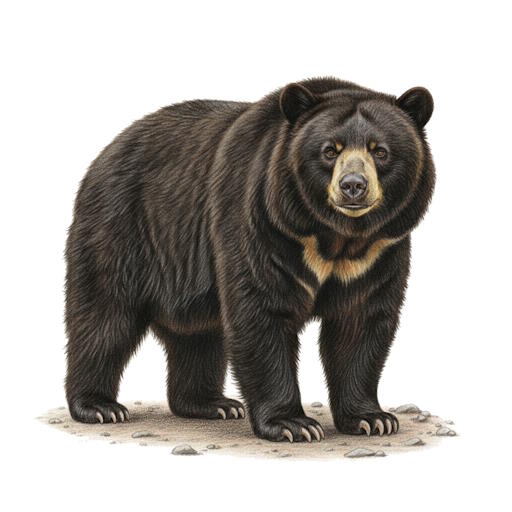
Animals which live in Rocky/Steep Habitats Biome
Click on an image to learn more about one of the animals.