Tropical Moist Forest
Welcome to the lush and vibrant world of the Tropical Moist Forest biome! These incredible ecosystems, encompassing tropical and subtropical rainforests, wet forests, cloud forests, and general tropical/seasonal forests, are biodiversity hotspots, teeming with life and ecological wonders. If you're looking for an unforgettable nature experience, or simply want to understand one of Earth's most important biomes, you've come to the right place.
What is a Tropical Moist Forest?
Tropical Moist Forests are characterized by consistently warm temperatures and high annual rainfall. Unlike their deciduous counterparts, many trees in these forests retain their leaves year-round, contributing to the dense, multi-layered canopy that defines these environments. The constant moisture and warmth create ideal conditions for an explosion of plant and animal species, many of which are found nowhere else on Earth.
Key Features and Characteristics:
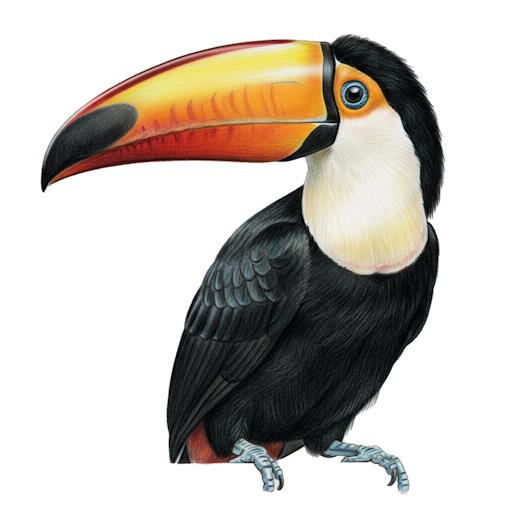
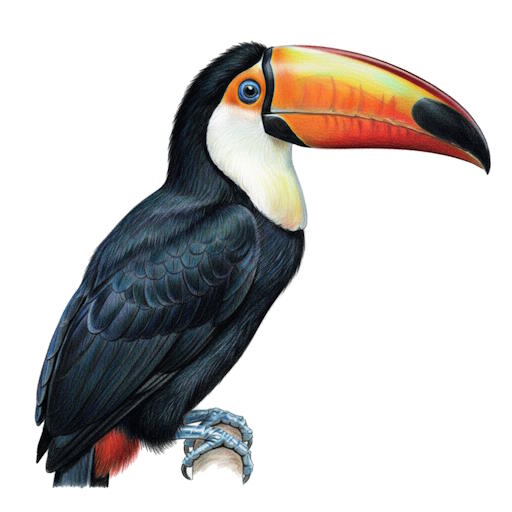
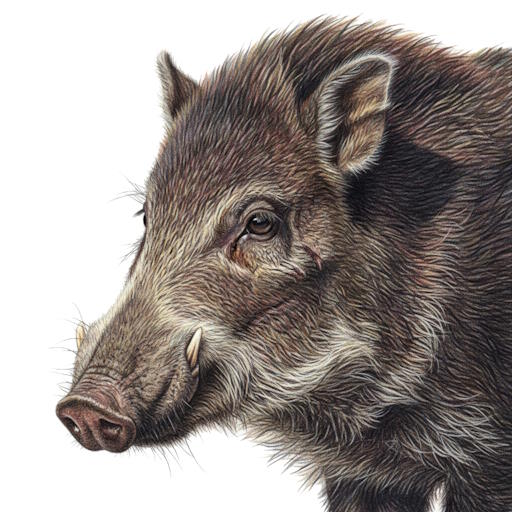
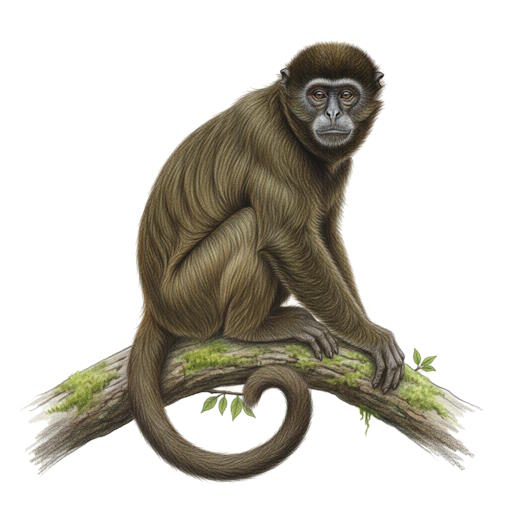
- Biodiversity Hotspot: These forests boast an astonishing array of plant and animal life. From towering trees draped in vines and epiphytes to a dazzling variety of insects, birds, mammals, and reptiles, every corner of a Tropical Moist Forest is alive with activity.
- Layered Structure: The forest is typically structured into several distinct layers: the emergent layer (the tallest trees), the canopy (the dense upper layer), the understory (younger trees and shrubs), and the forest floor. Each layer provides unique habitats for different species.
- High Rainfall: Consistent and abundant rainfall is a defining feature, often exceeding 2,000 mm annually. This continuous moisture supports the incredible plant growth and a complex hydrological cycle.
- Warm Temperatures: Temperatures remain warm throughout the year, with little seasonal variation. This stable climate allows for continuous growth and reproduction among many species.
- Rich Soil (Often Shallow): While the vegetation is incredibly rich, the soil itself can often be surprisingly poor in nutrients due to rapid decomposition and nutrient cycling. The majority of nutrients are stored within the living plants and decaying organic matter on the forest floor.
- Cloud Forests: A unique subtype, cloud forests, are found at higher elevations where persistent cloud cover provides additional moisture, leading to an abundance of mosses, ferns, and epiphytes.
Why are Tropical Moist Forests Important?
Beyond their incredible beauty, Tropical Moist Forests play a critical role in global ecosystems:
- Climate Regulation: They act as massive carbon sinks, absorbing vast amounts of carbon dioxide from the atmosphere and helping to regulate global climate.
- Water Cycle: These forests are crucial for regional and global water cycles, influencing rainfall patterns far beyond their immediate boundaries.
- Medicinal Resources: Many plants found in Tropical Moist Forests have significant medicinal properties, with ongoing research uncovering new potential treatments.
- Indigenous Cultures: These biomes are home to numerous indigenous communities whose cultures and livelihoods are intimately connected to the forest.
Exploring a Tropical Moist Forest offers an unparalleled opportunity to witness nature at its most vibrant and complex. Understanding and protecting these vital biomes is essential for the health of our planet and all its inhabitants.
Other Biomes
There are lots of other biomes to explore. Check out all of our biomes for more info.
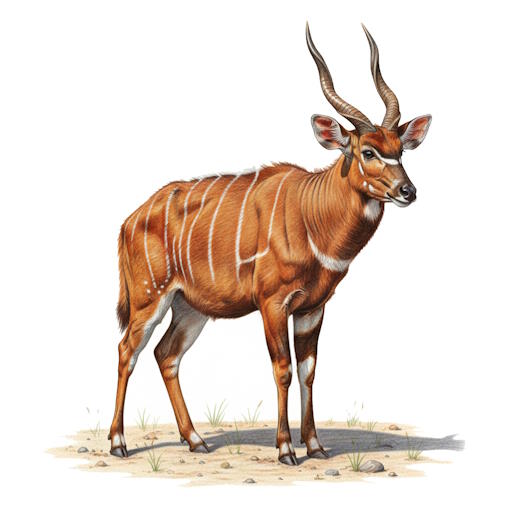
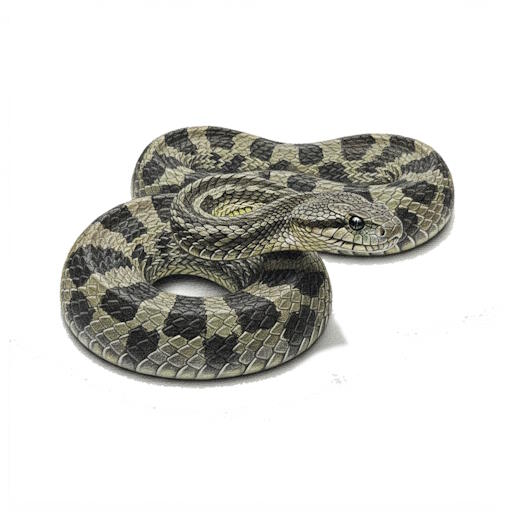
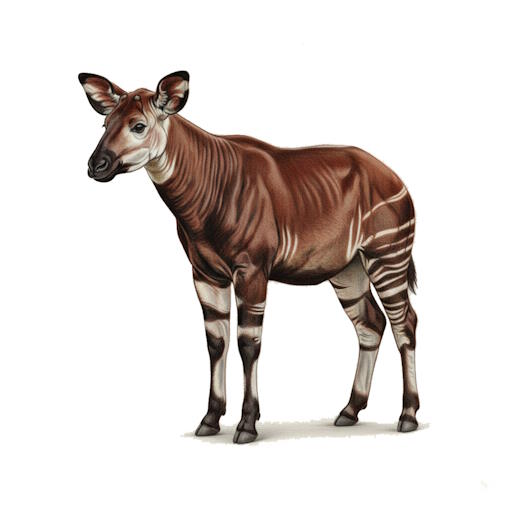
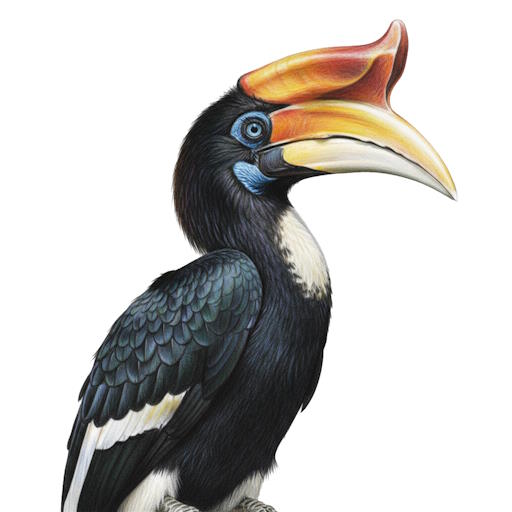
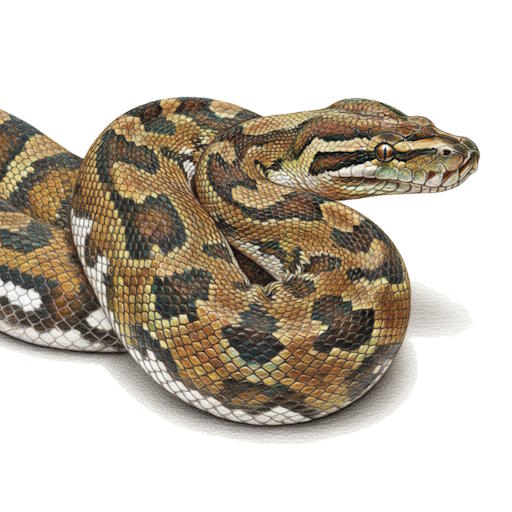
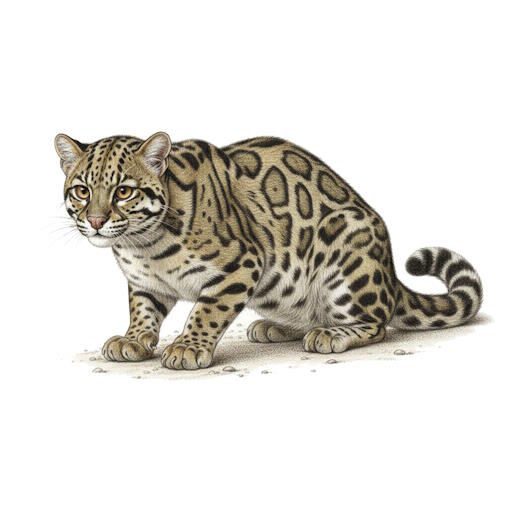
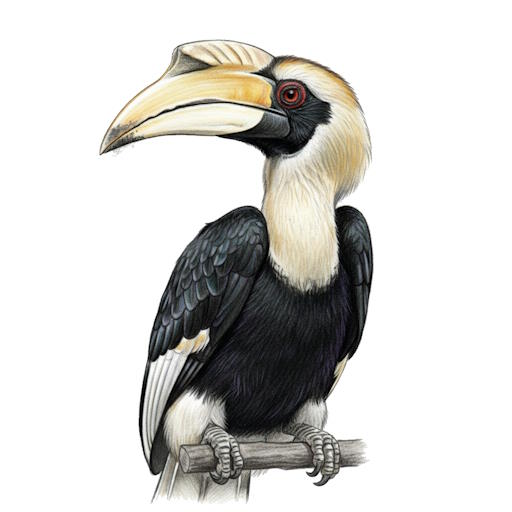
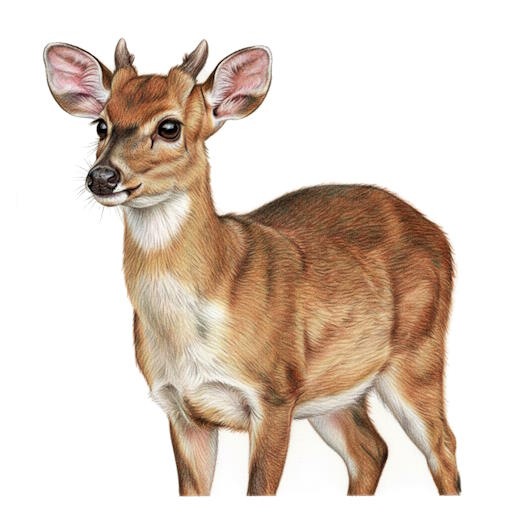
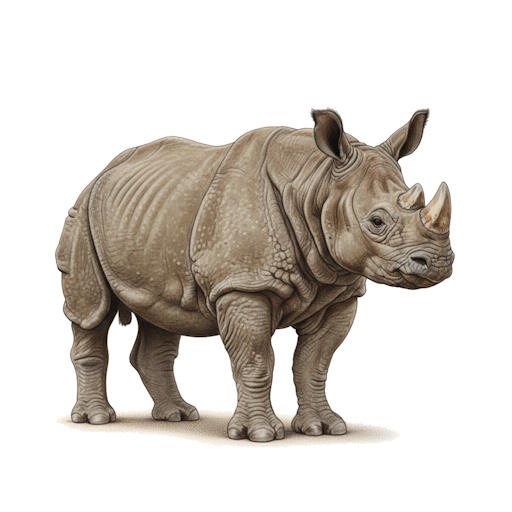
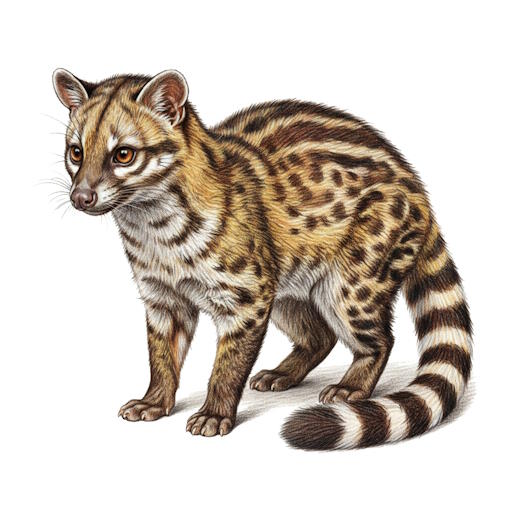
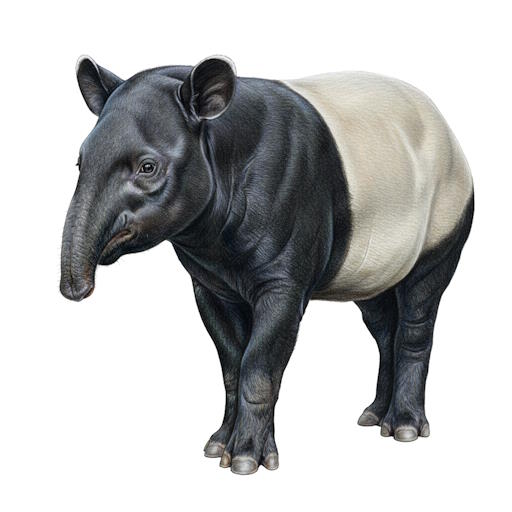
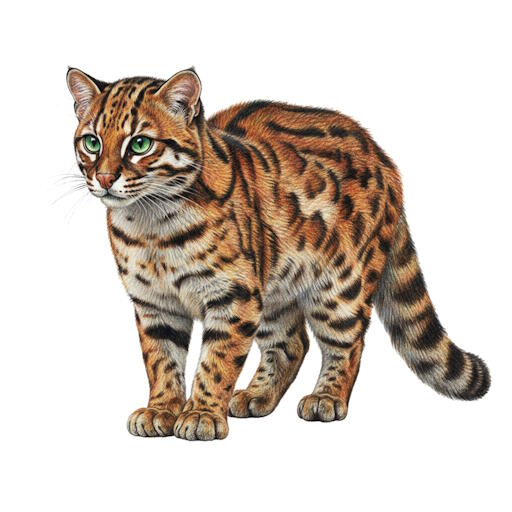
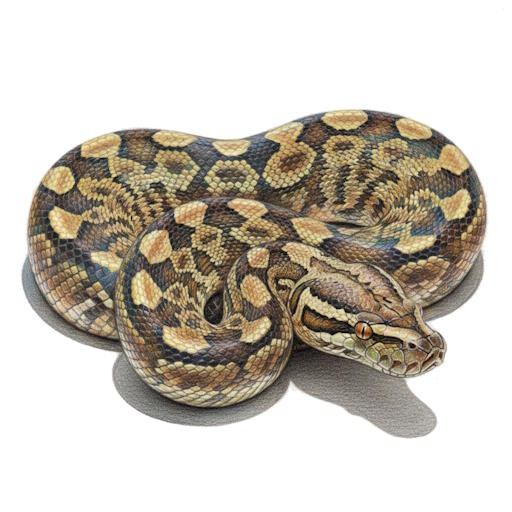
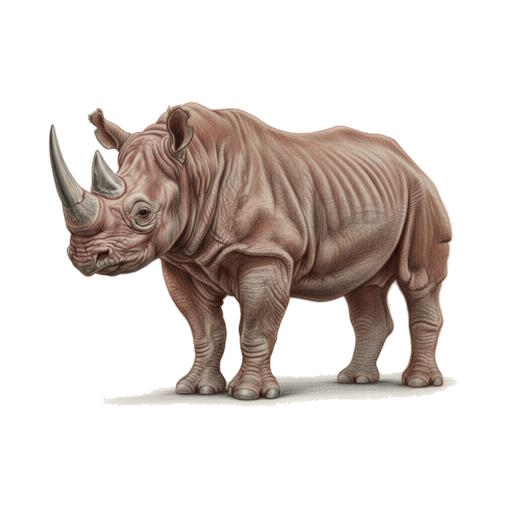
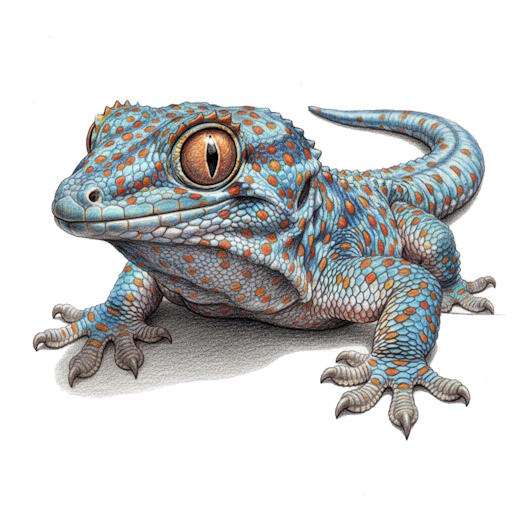
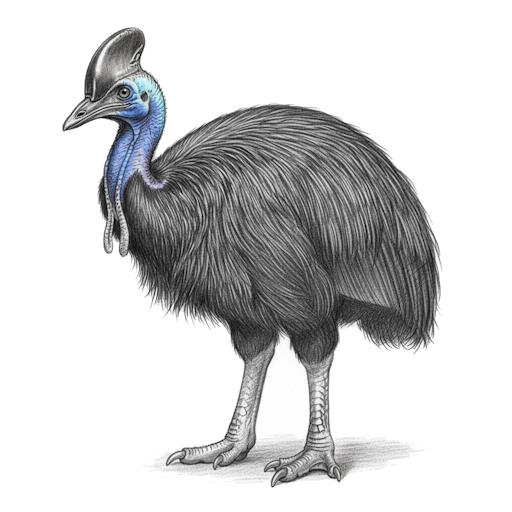
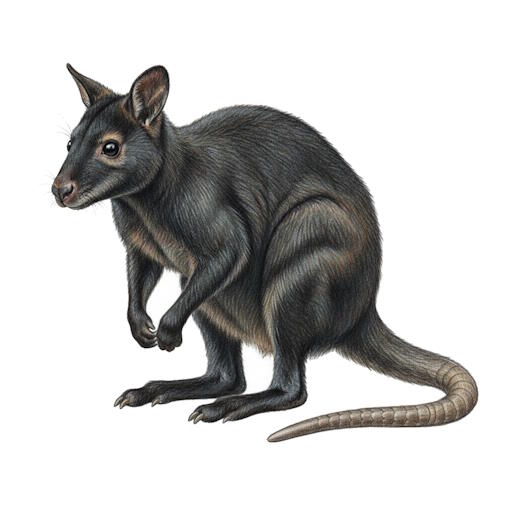
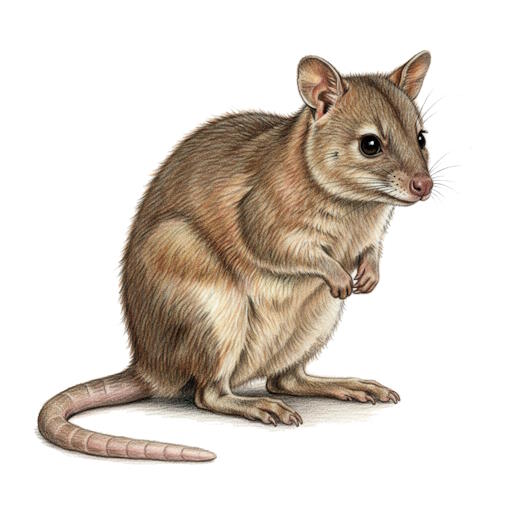
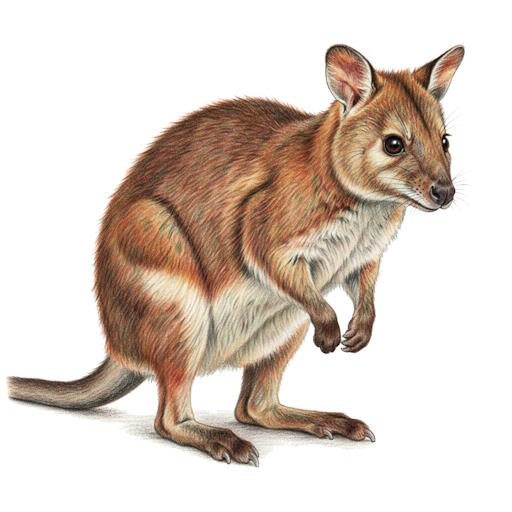
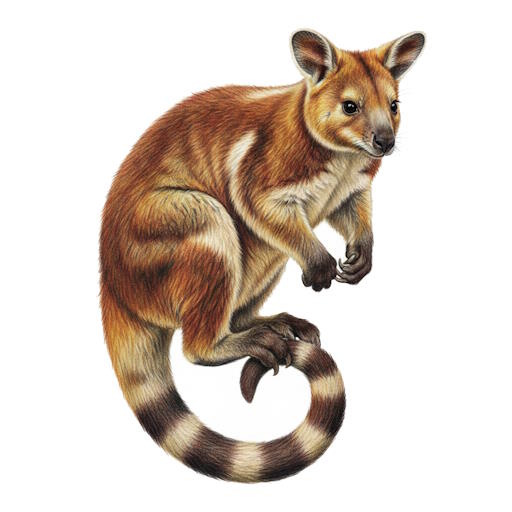
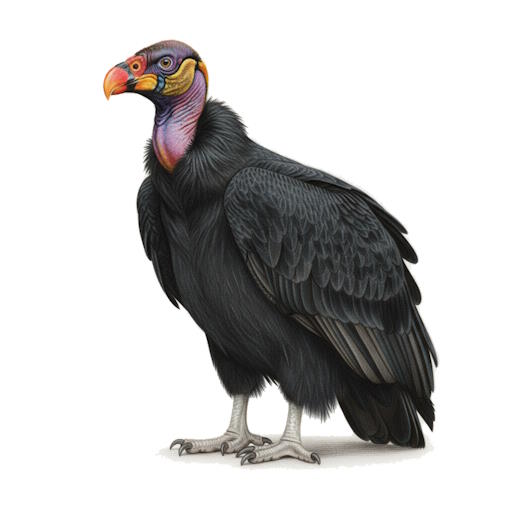
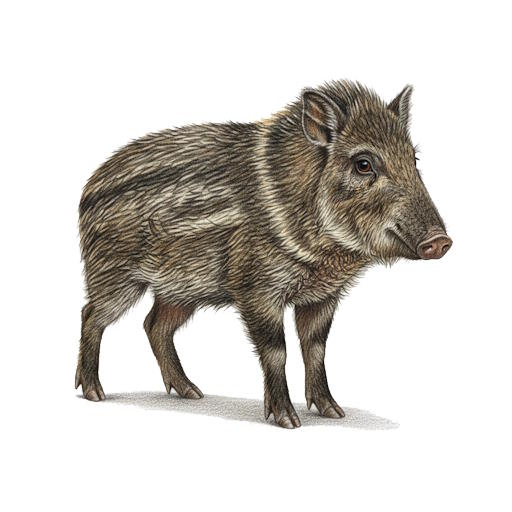
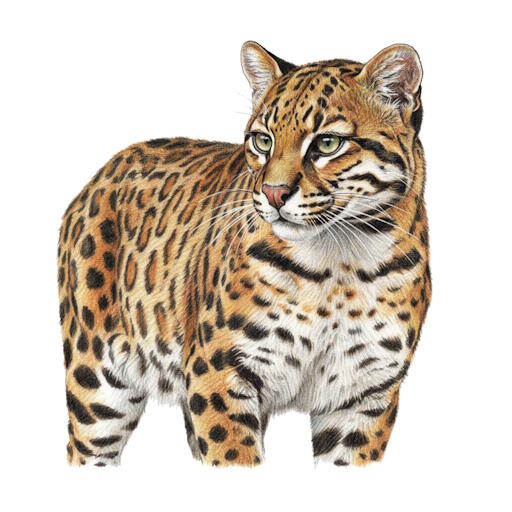
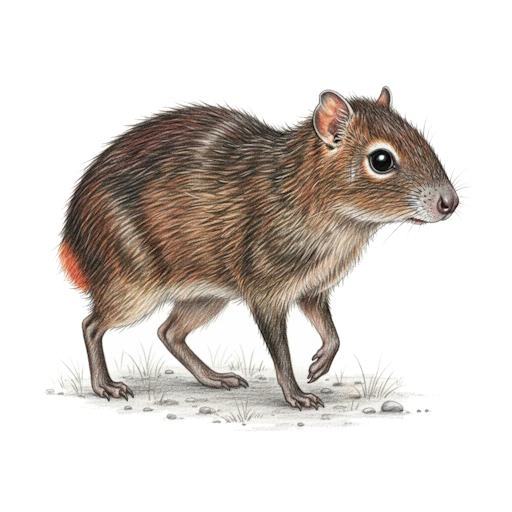
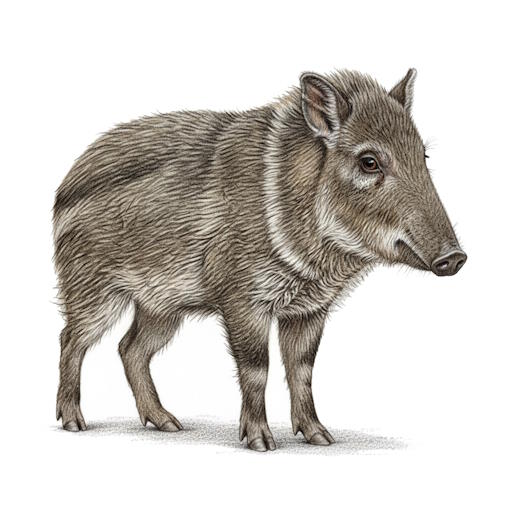
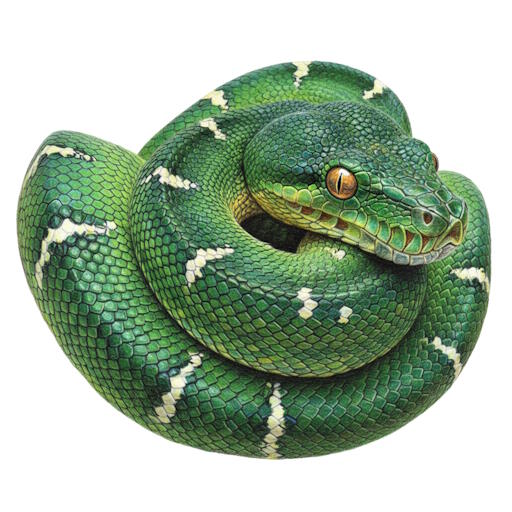
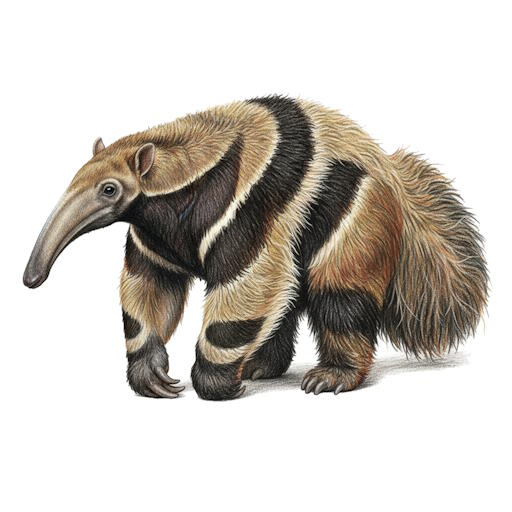
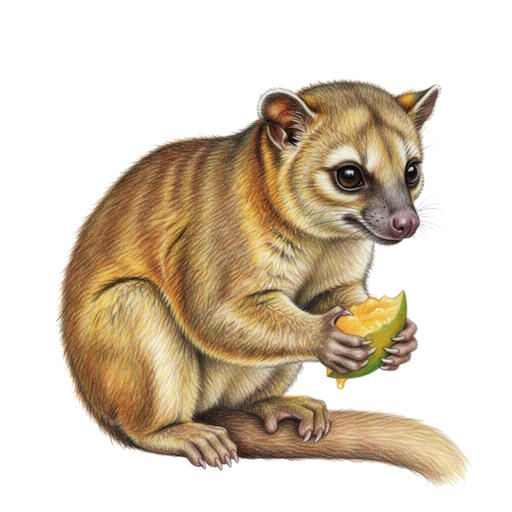
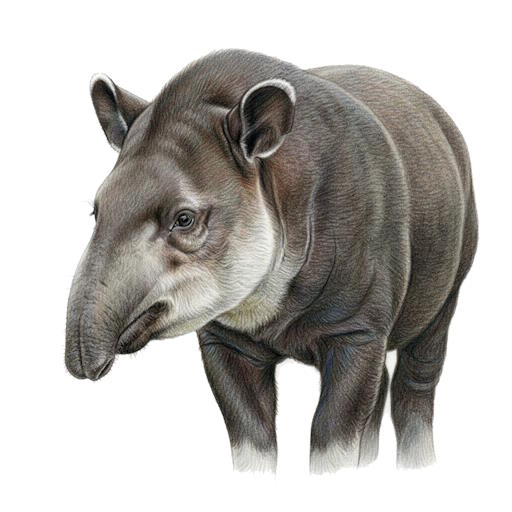
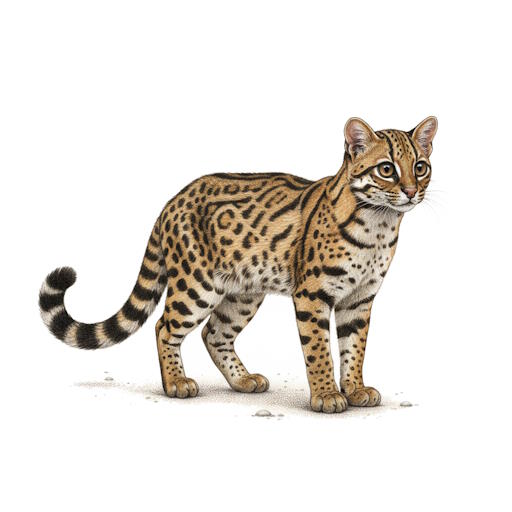
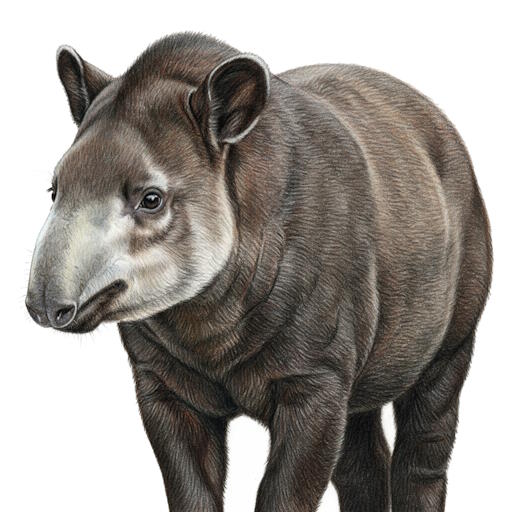
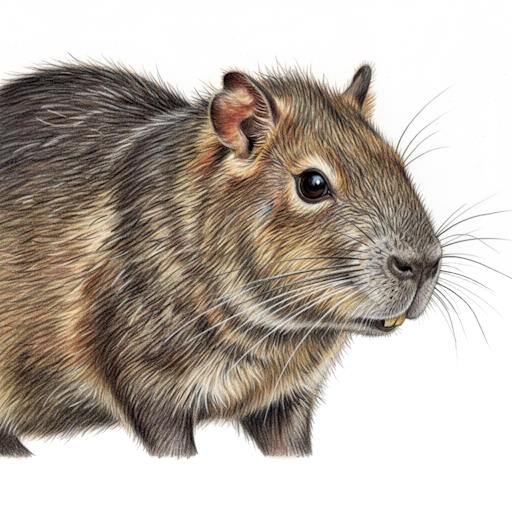
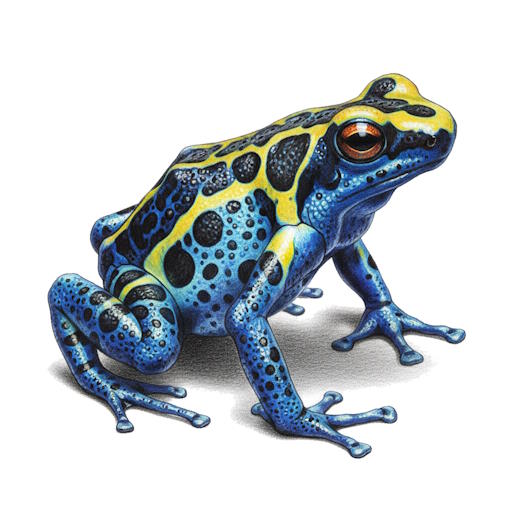
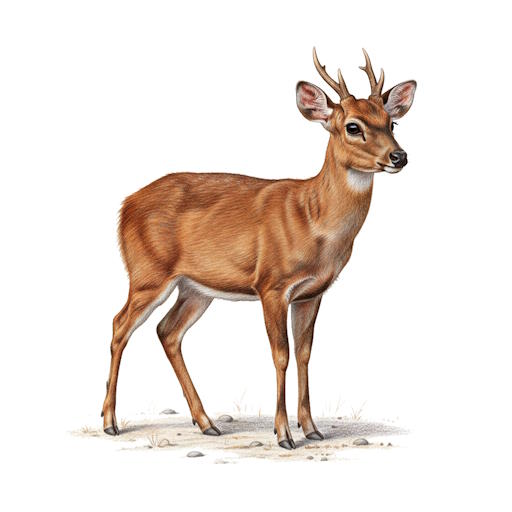
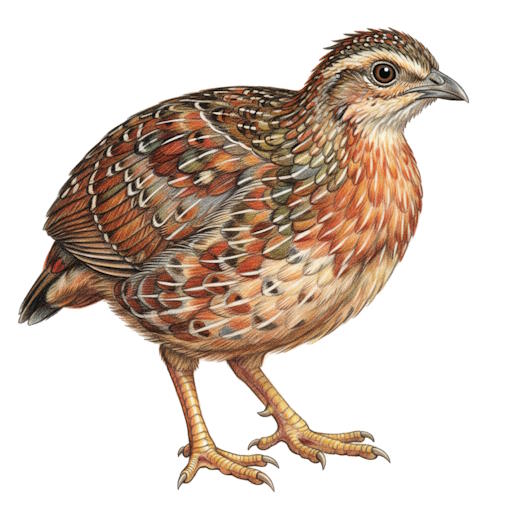
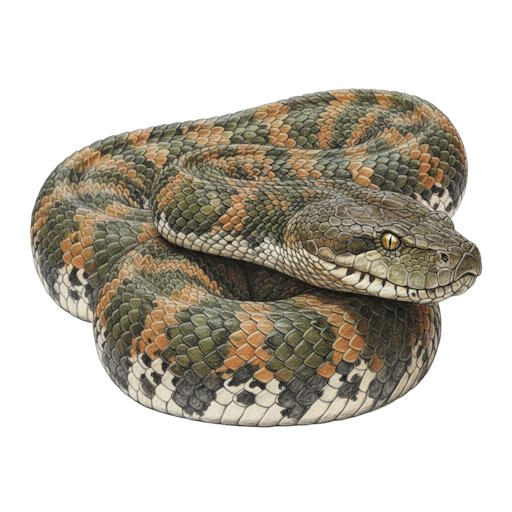
Animals which live in Tropical Moist Forest Biome
Click on an image to learn more about one of the animals.