Antartica
Antarctica stands as the world's most remote and least-understood continent, a land of stark, frozen beauty and extreme conditions. This southernmost continent is a global common, dedicated to scientific research and conservation, and is devoid of any permanent human inhabitants.
General Geography & Location
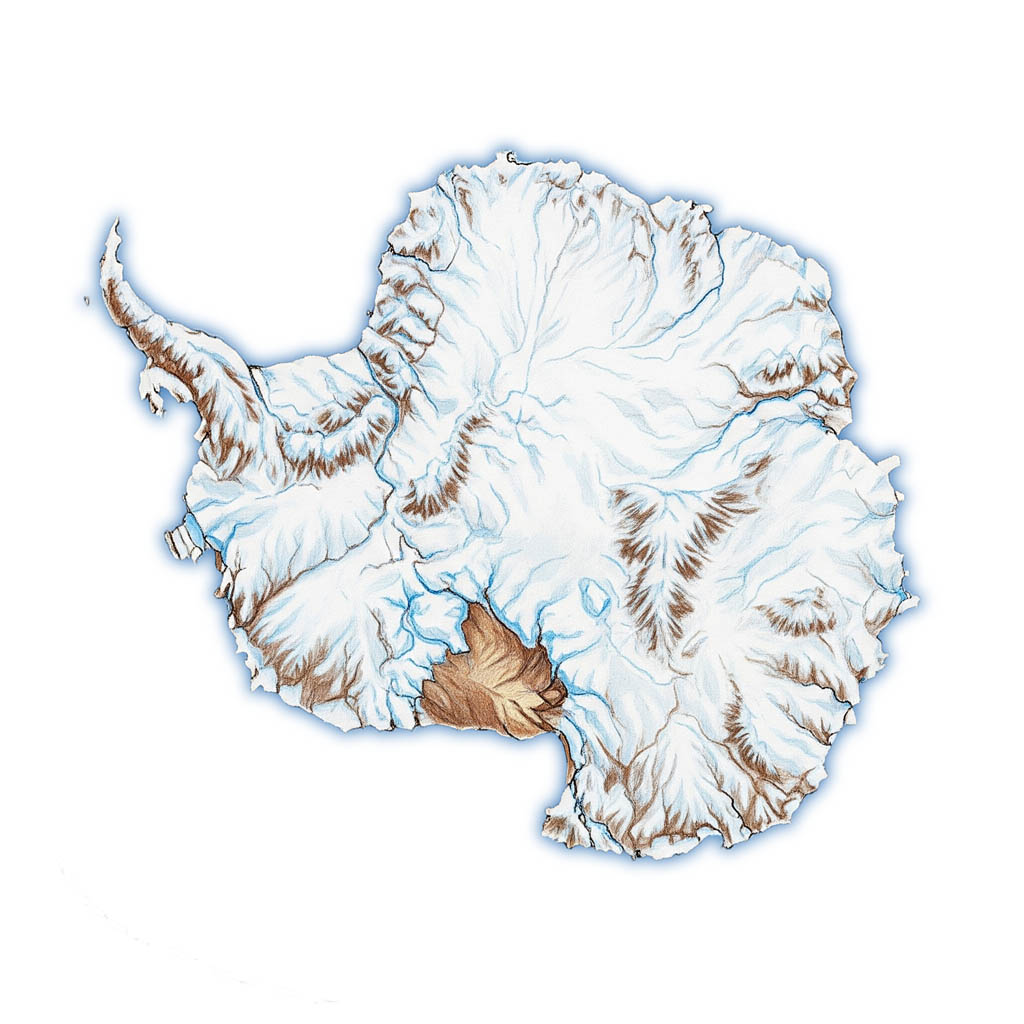
At 14.2 million km2, Antarctica is the fifth-largest continent. It is entirely surrounded by the Southern Ocean and is often referred to as a circumpolar continent.
The continent is almost entirely covered by the Antarctic Ice Sheet, the largest single mass of ice on Earth. The Transantarctic Mountains divide the continent into East and West Antarctica. The Vinson Massif is the continent's highest peak.
Natural Habitats
Antarctica has an extremely cold polar climate, with temperatures reaching as low as −89.2∘C. It is also a polar desert, with very little precipitation. The habitat is almost entirely a polar ice sheet and polar desert, with a very harsh environment that supports only specialized life forms.
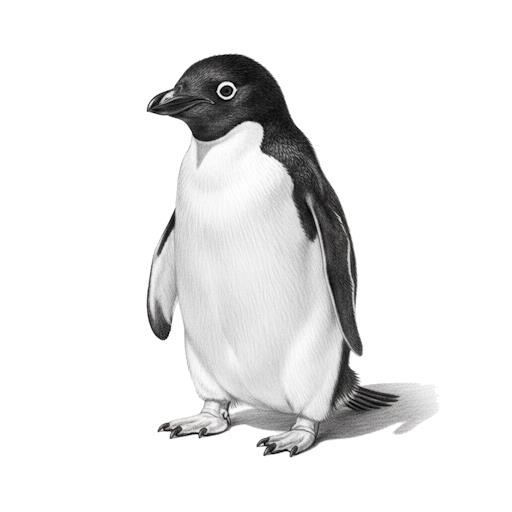
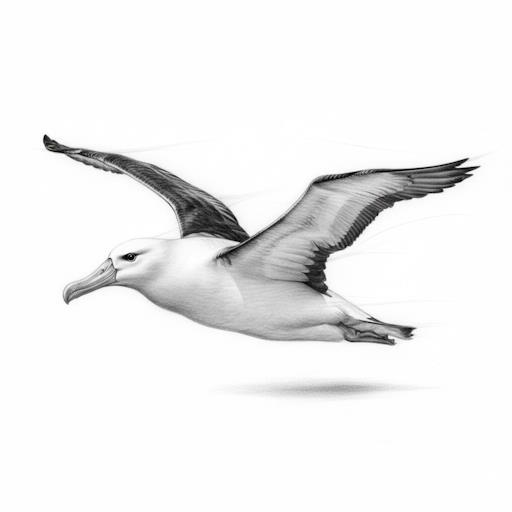
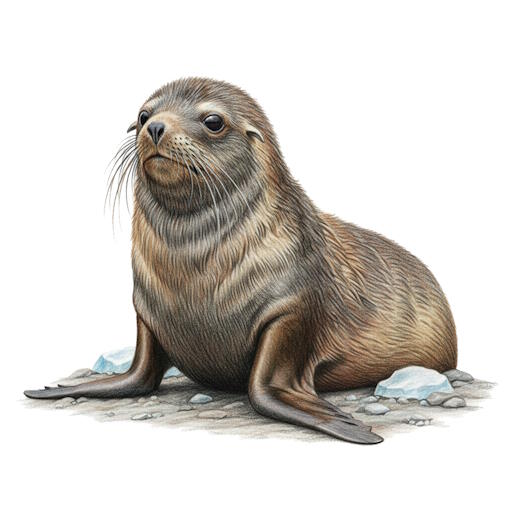
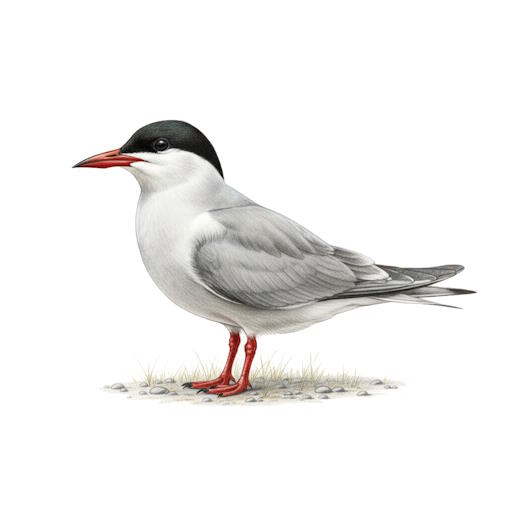
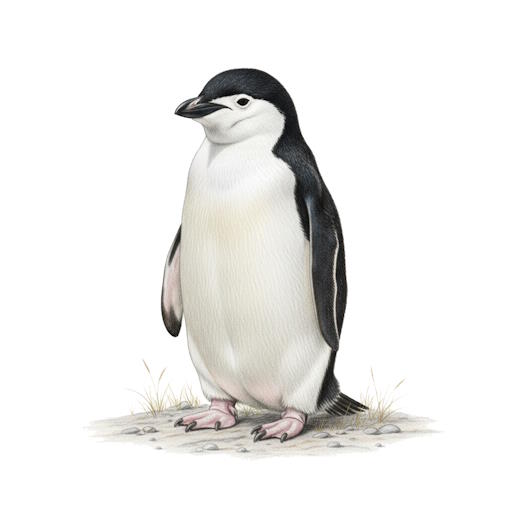
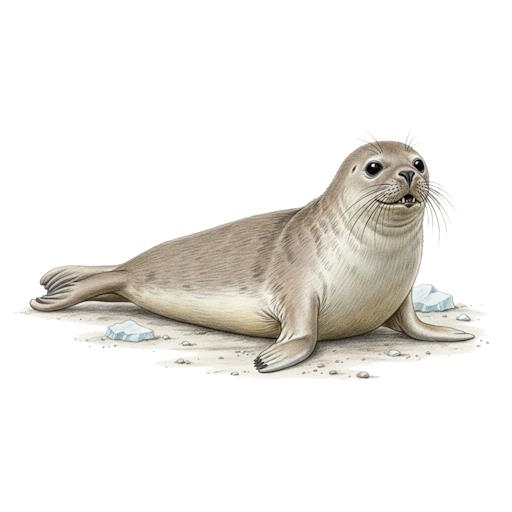
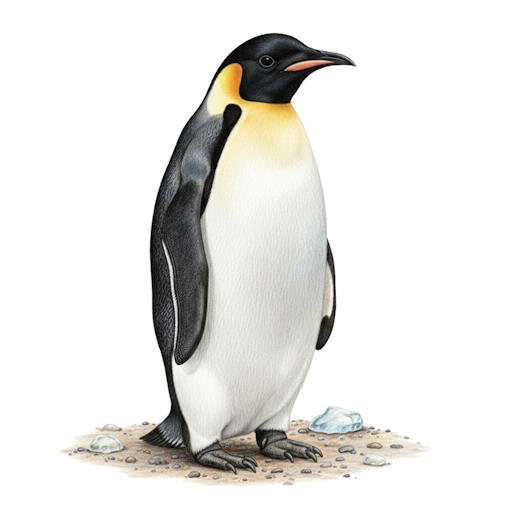
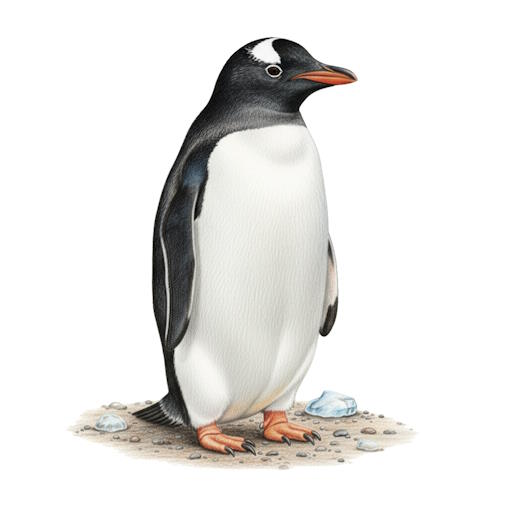
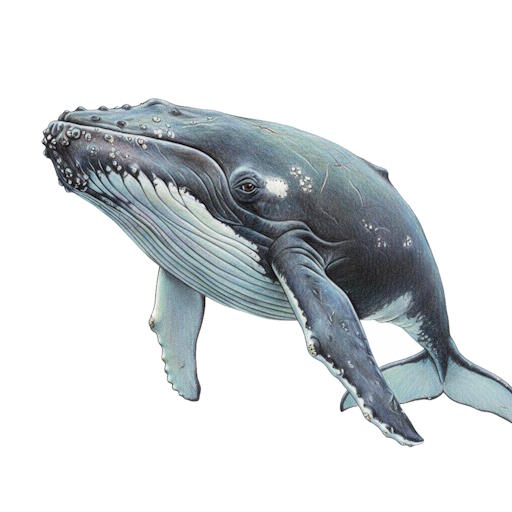
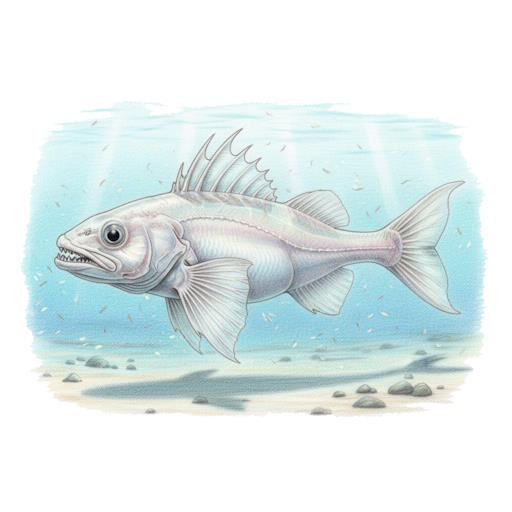
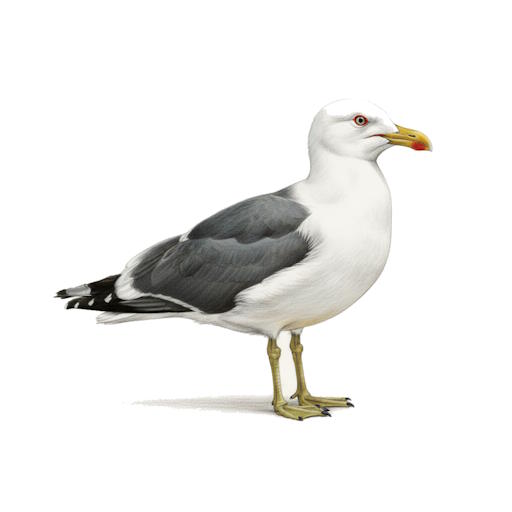
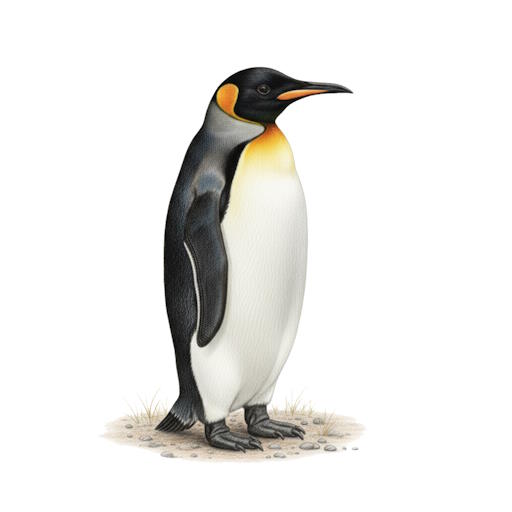
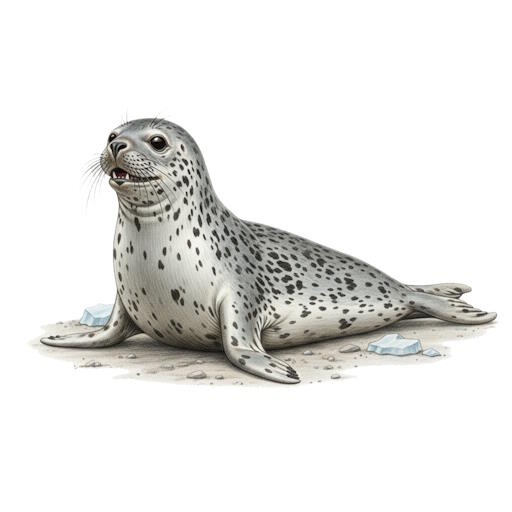
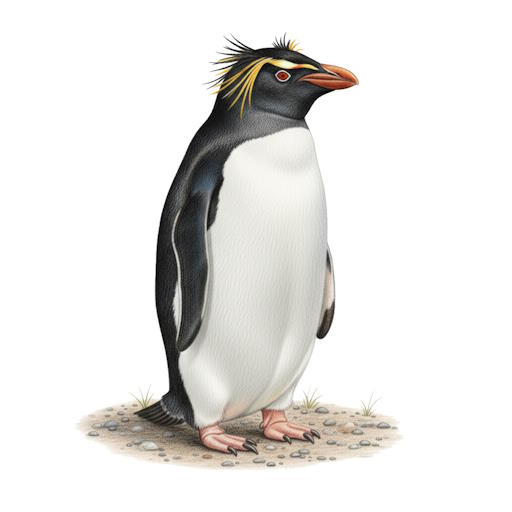
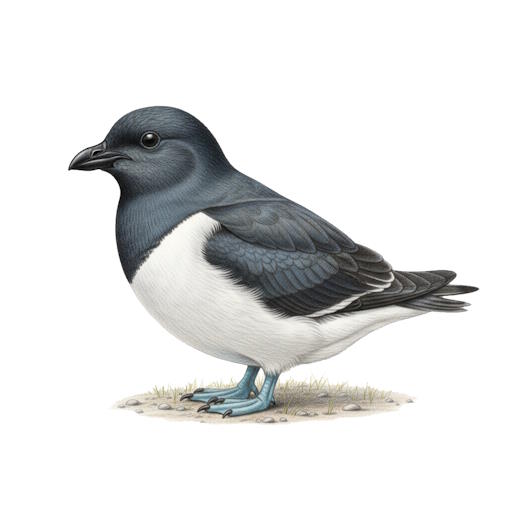
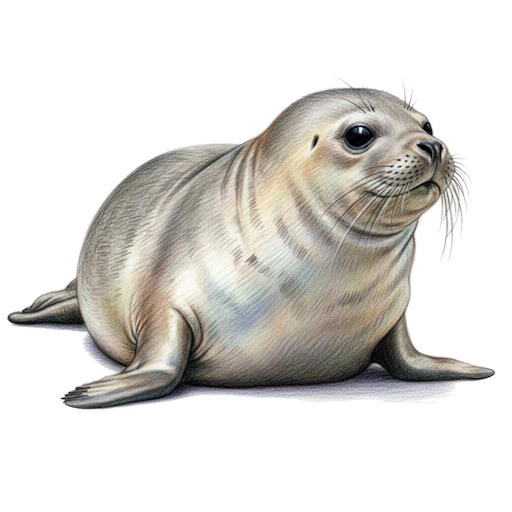
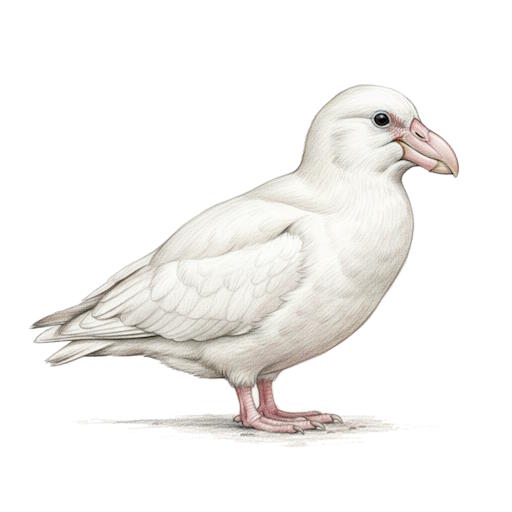
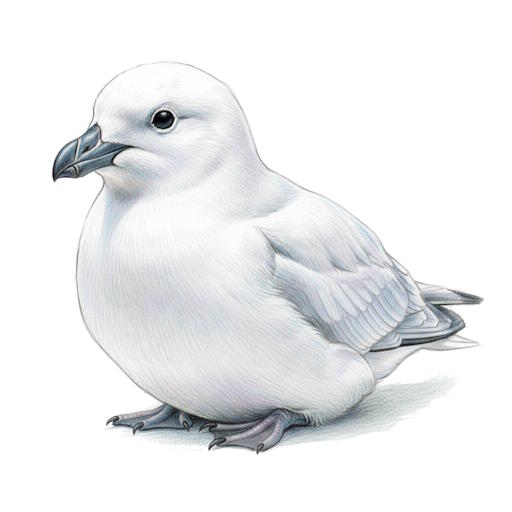
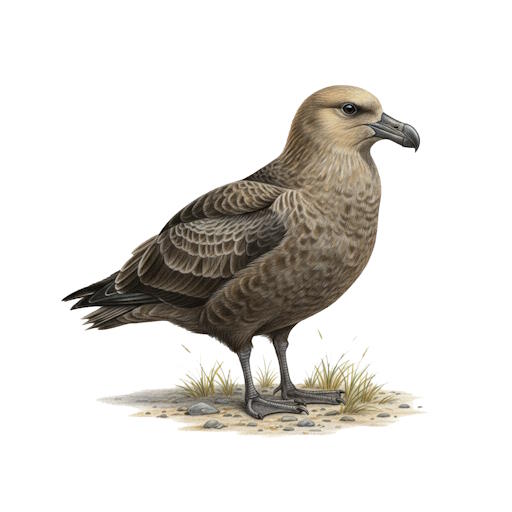
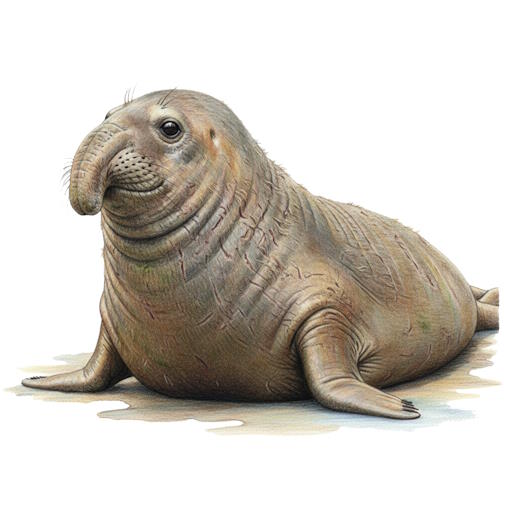
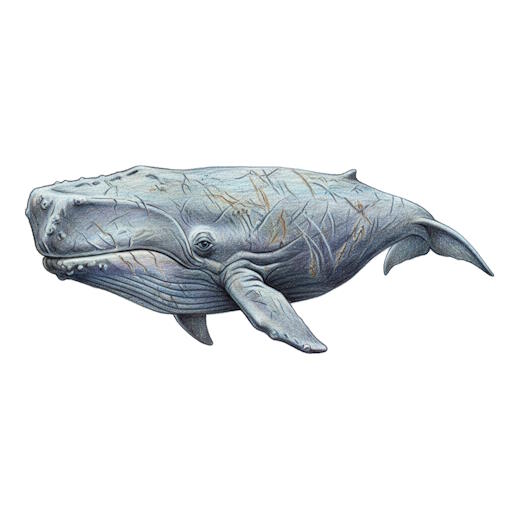
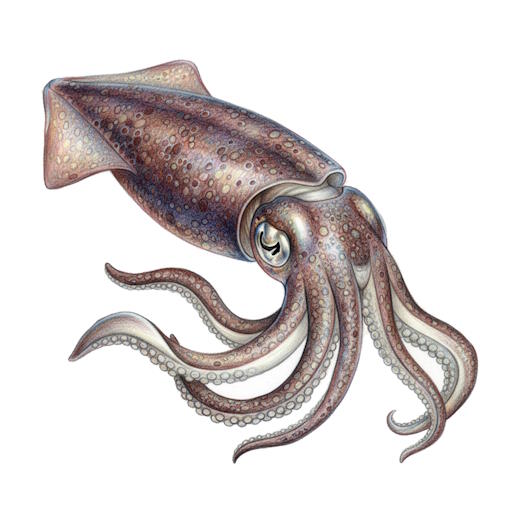
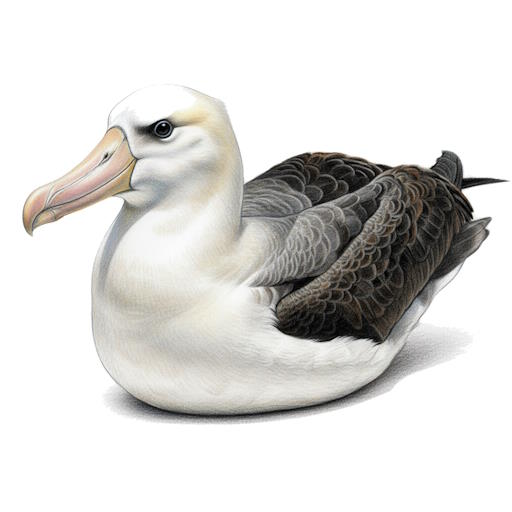
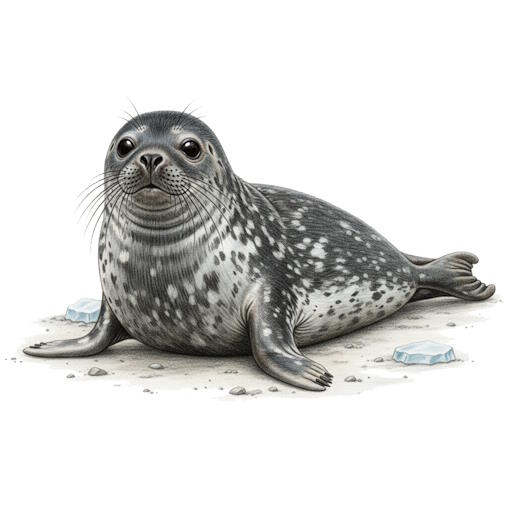
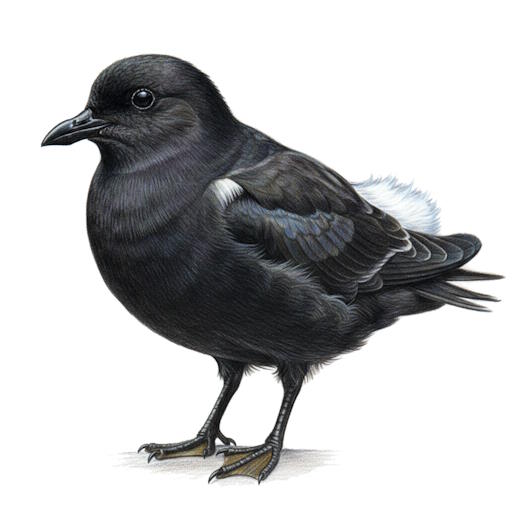
Life on the continent is dominated by species that thrive in the cold, such as various species of penguins, seals, and seabirds.
Population and Demographics
Antarctica has no permanent population. The continent's human presence is limited to scientific researchers who live there on a temporary basis, with the population fluctuating between 1,000 and 5,000 people throughout the year.
Conclusion
Antarctica is defined by its extreme cold, its vast ice sheet, and its lack of a permanent human population. It remains a continent of scientific importance.
The unique and extreme environmental conditions of Antarctica make it a critically important continent for climate research and a fragile ecosystem that demands global protection.
Other Continents and Locations
There are more locations to explore. See other locations where our animals live.
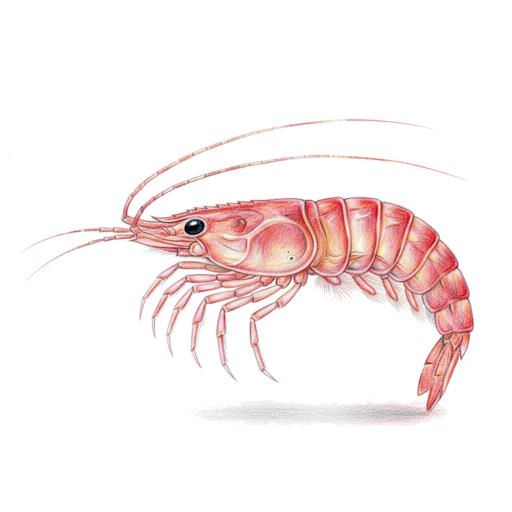
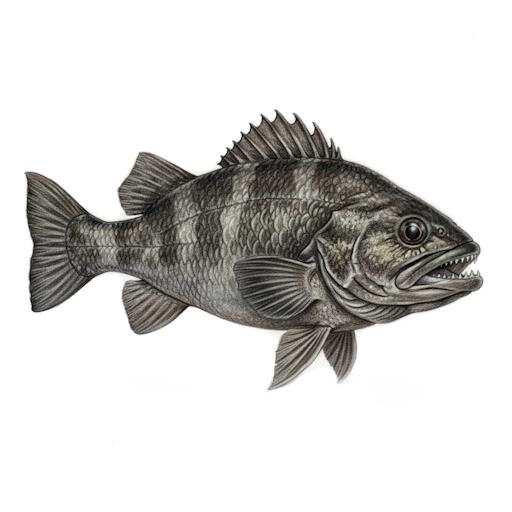
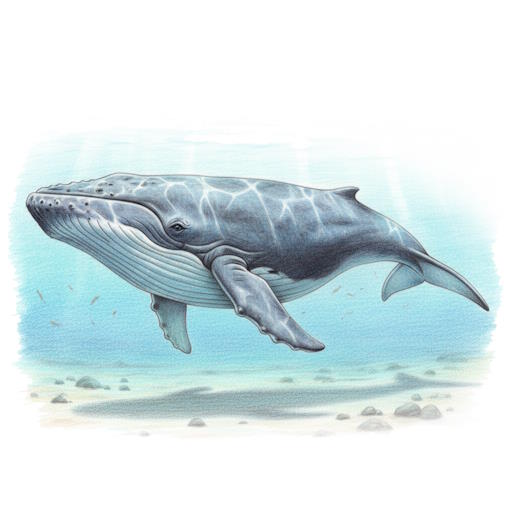
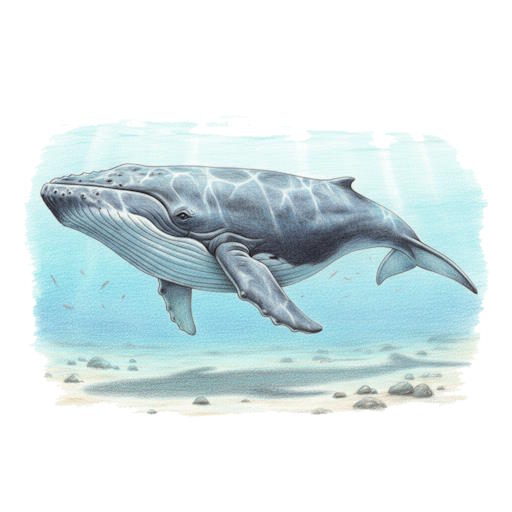
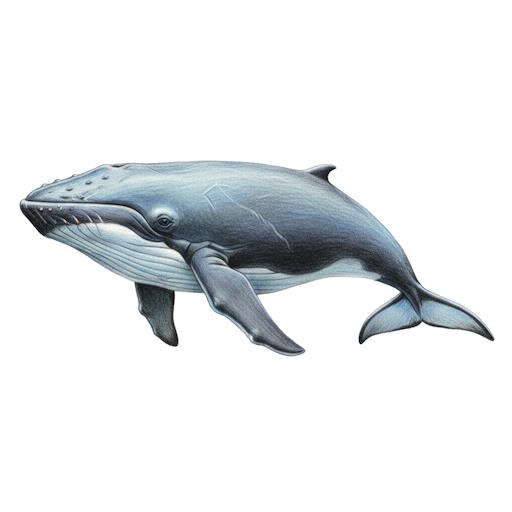
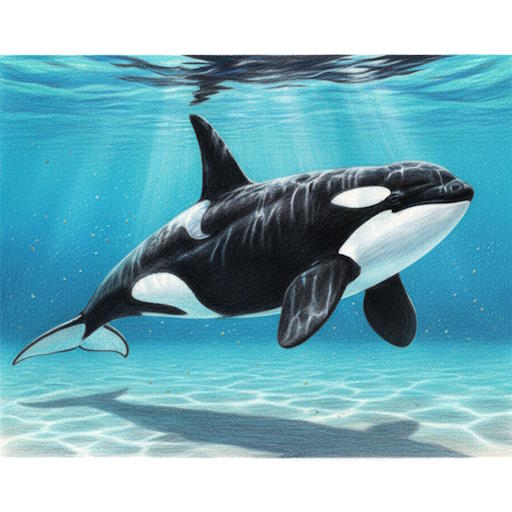
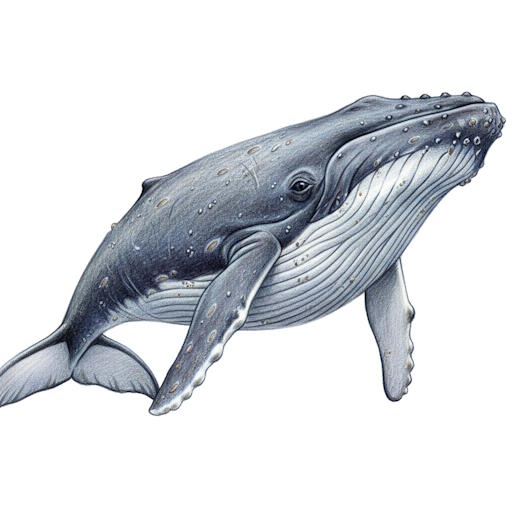
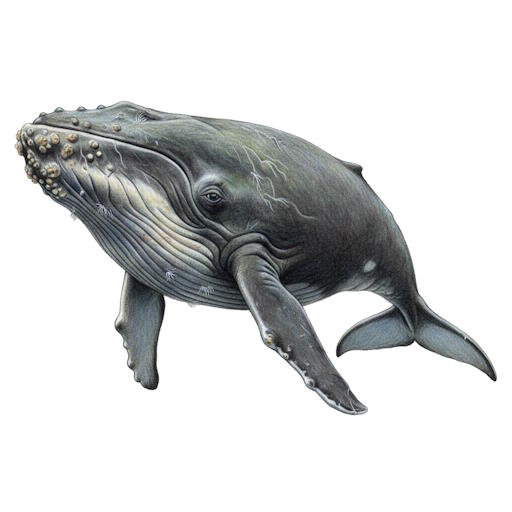
Animals found in Antartica
Click on an image to learn more about one of the animals.