Asia
Asia is not only the largest continent on Earth but also the most populous, home to over 60% of the world's people. Its vast and varied landscapes have shaped human history for millennia.
Located primarily in the Eastern and Northern Hemispheres, Asia is a continent of extremes, featuring the world's highest mountains, deepest trenches, and most expansive deserts.
General Geography & Location
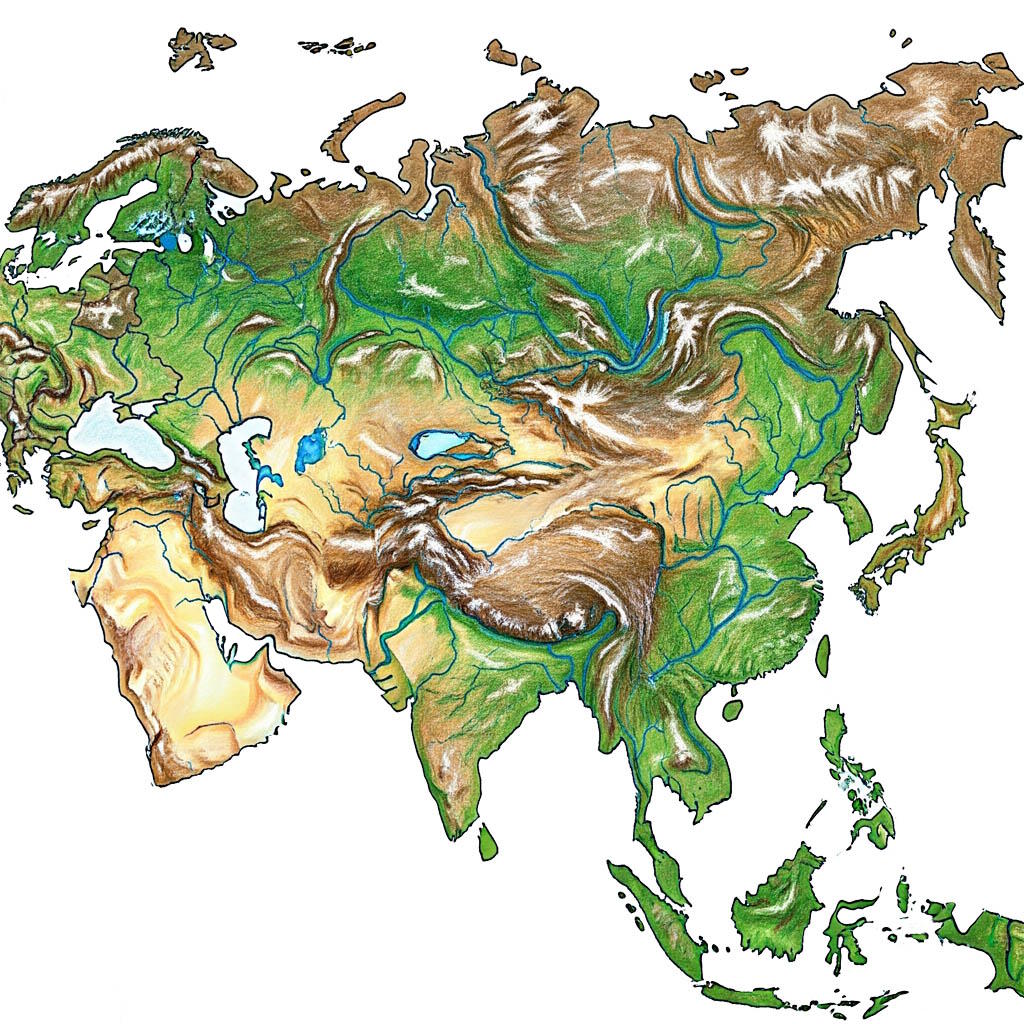
Spanning an incredible 44.6 million km2, Asia covers about 30% of the total land area of the planet. It is bordered by the Arctic Ocean to the north, the Pacific Ocean to the east, and the Indian Ocean to the south. Its border with Europe to the west is often considered cultural and historical, following the Ural Mountains and the Caspian Sea.
Asia is defined by some of the planet's most dramatic landforms. The Himalayas, which contain Mount Everest, form a natural barrier with the Indian subcontinent. The Gobi Desert is a vast, cold desert region, while the Siberian Plain in the north is one of the world's largest low-lying areas. The continent is also home to major river systems like the Yangtze and the Ganges.
Natural Habitats
The continent's climate ranges from the polar tundra of Siberia to the tropical rainforests of Southeast Asia and the arid deserts of the Middle East. This diversity results in a wide range of ecosystems.
Asia features almost every type of biome. The Siberian taiga is a vast coniferous forest, while the tropical rainforests of Indonesia and Malaysia are teeming with life. Central Asia is dominated by steppes and deserts, and vast grasslands can be found in the interior.
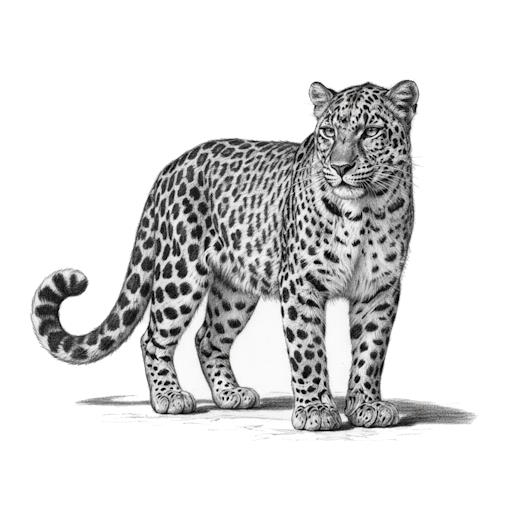
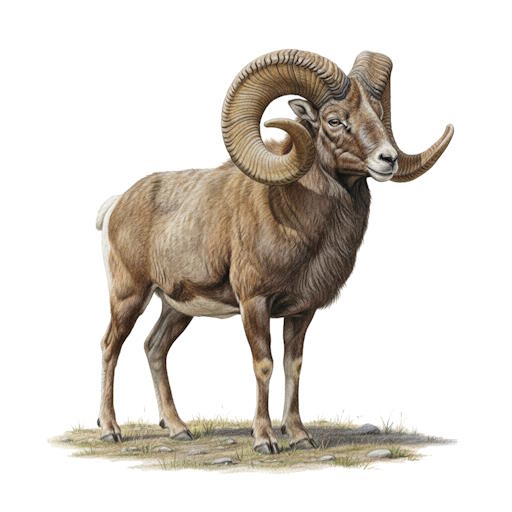
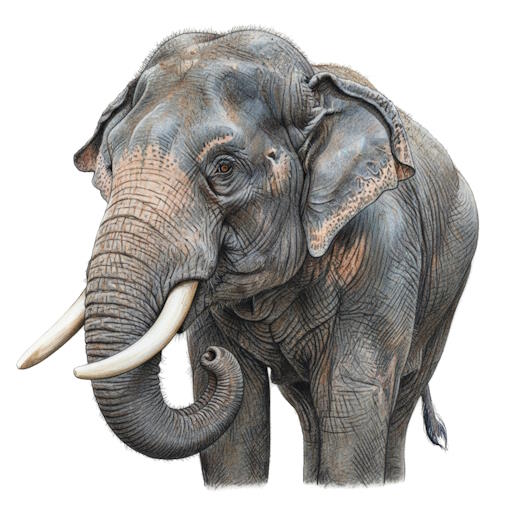
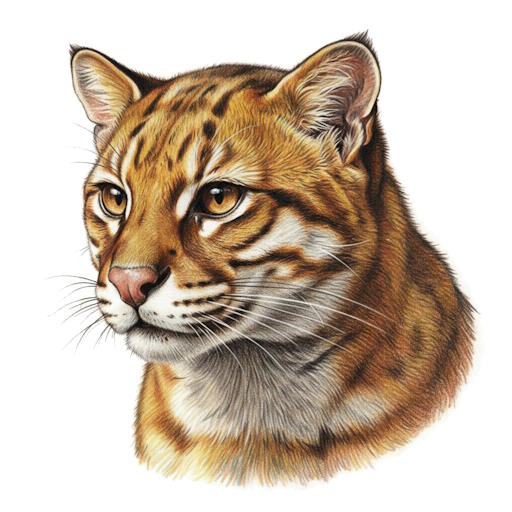
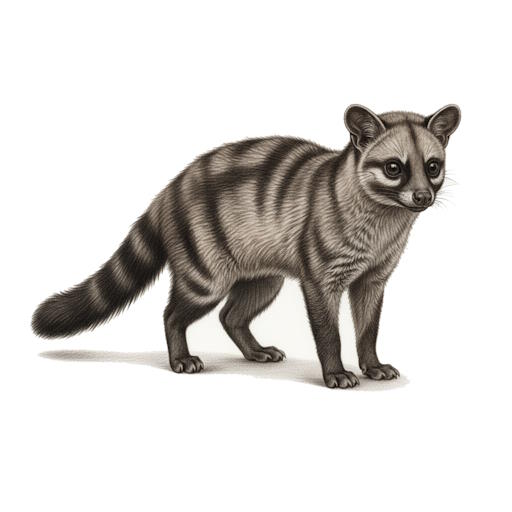
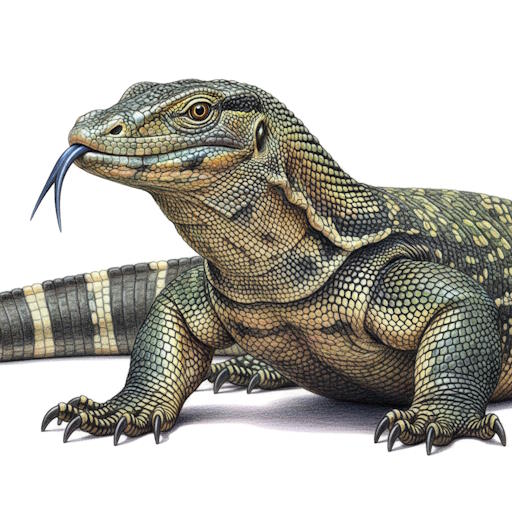
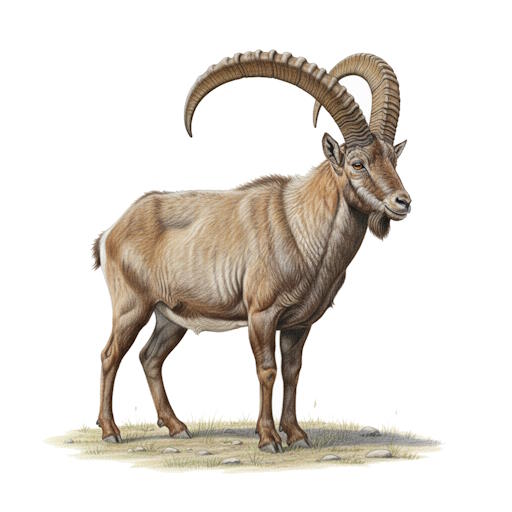
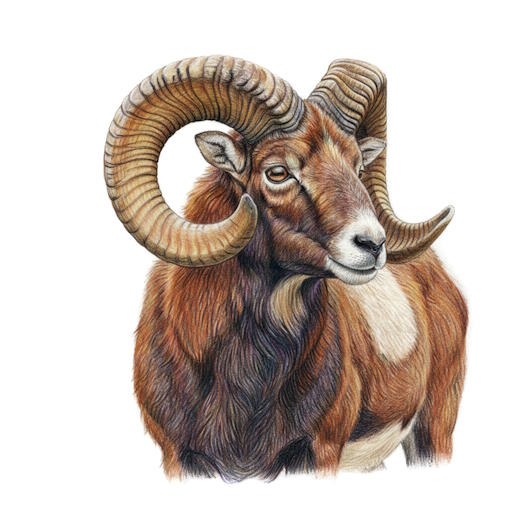
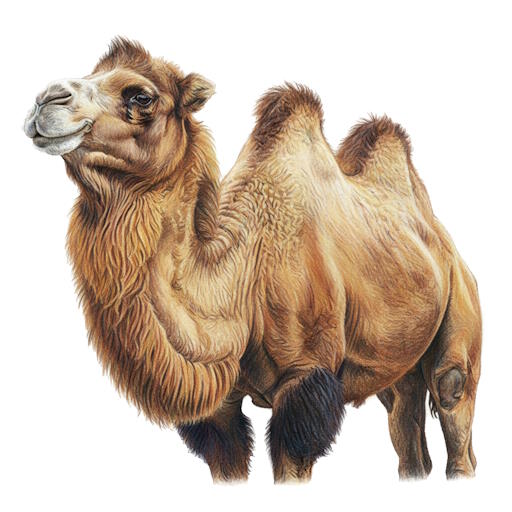
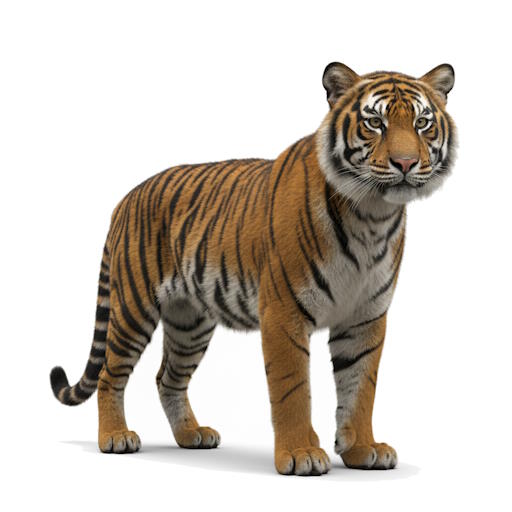
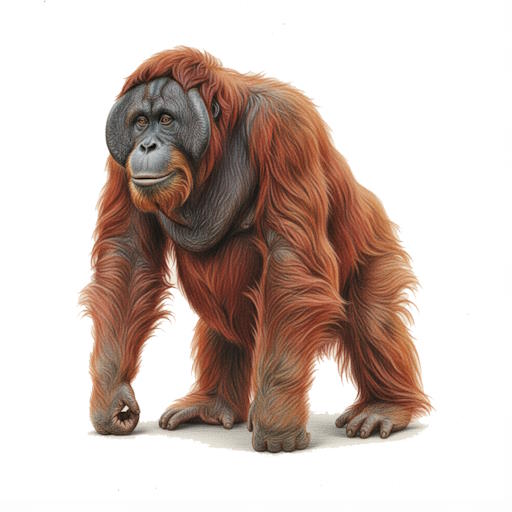
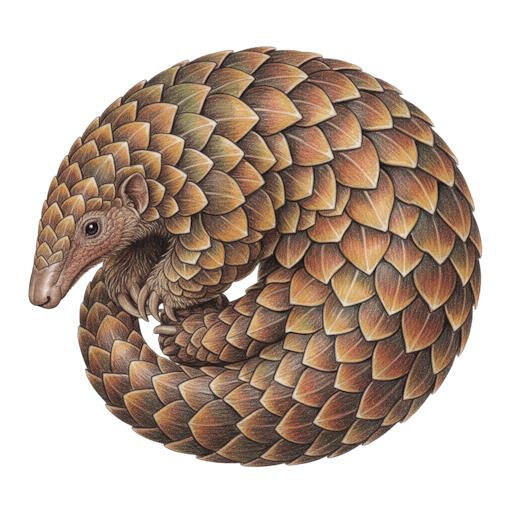
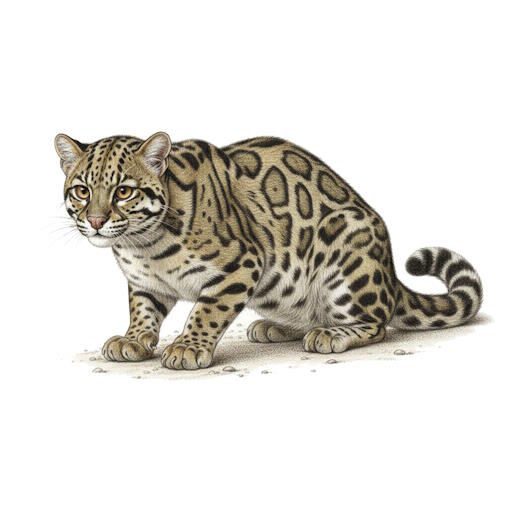
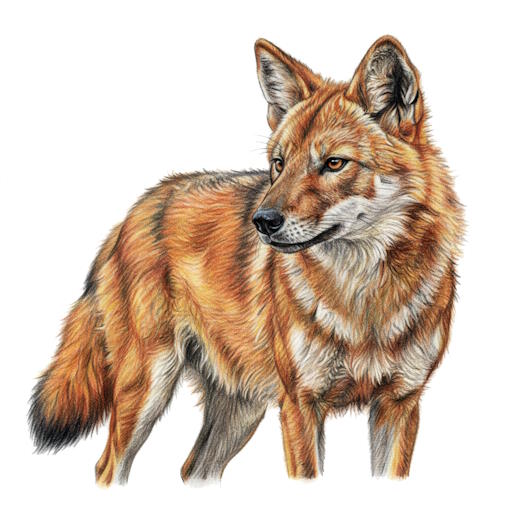
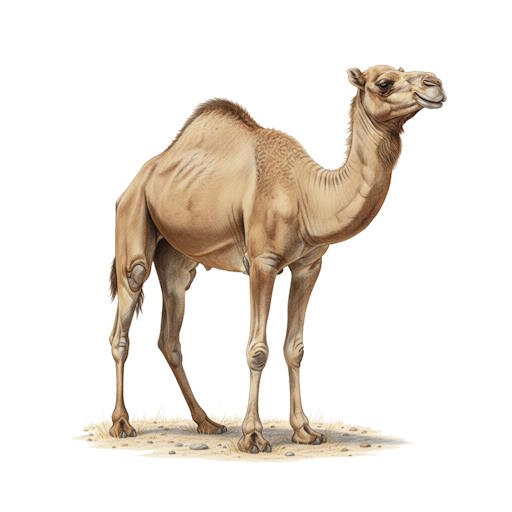
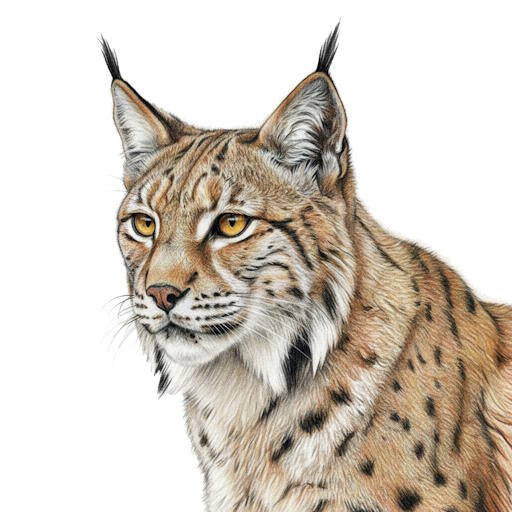
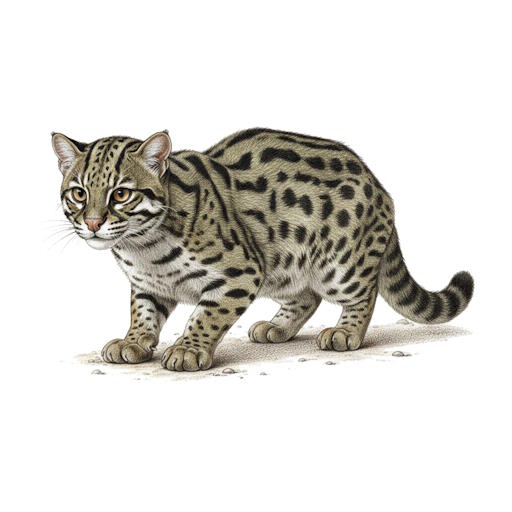
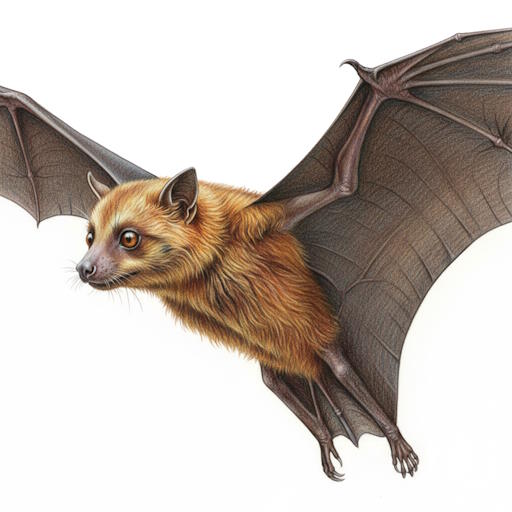
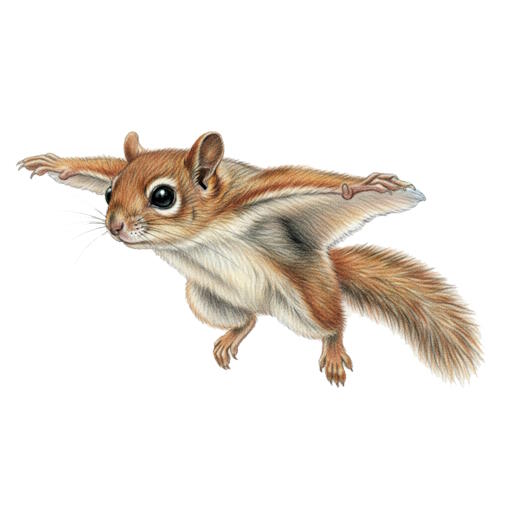
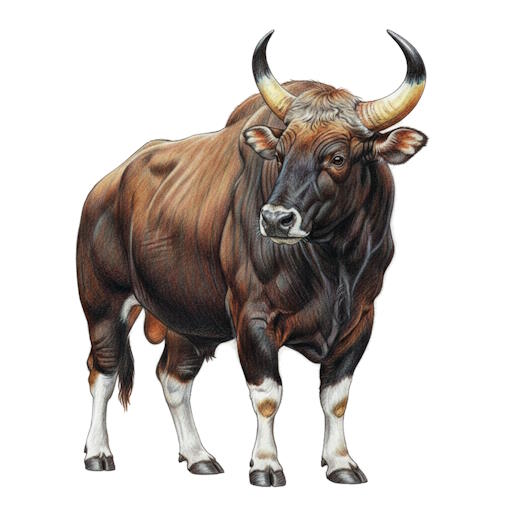
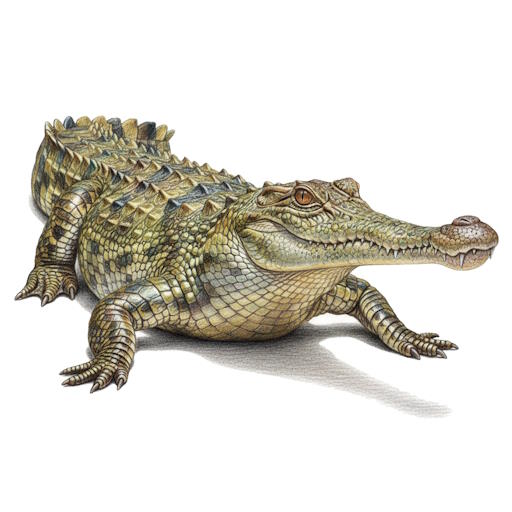
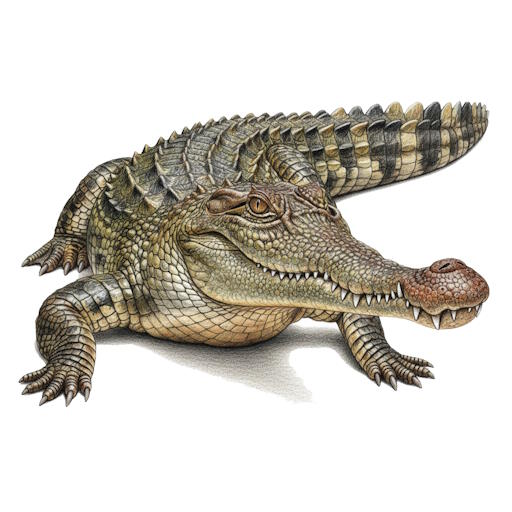
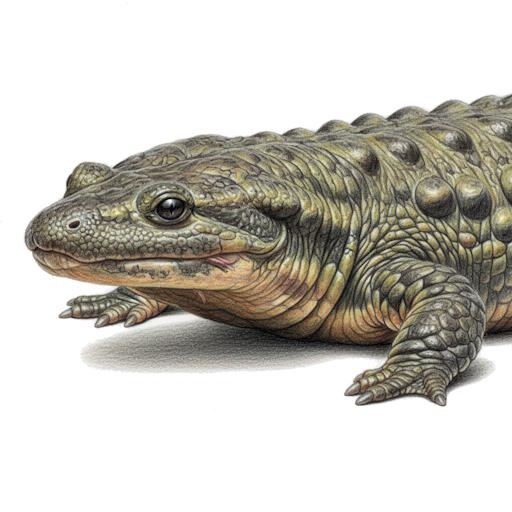
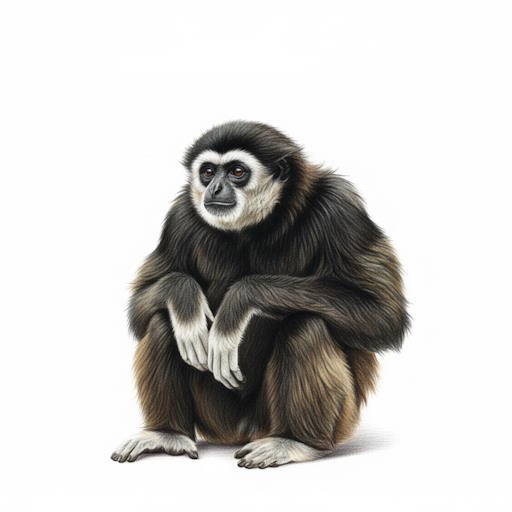
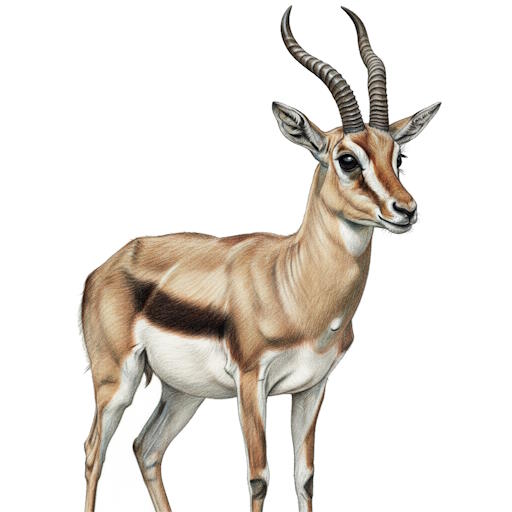
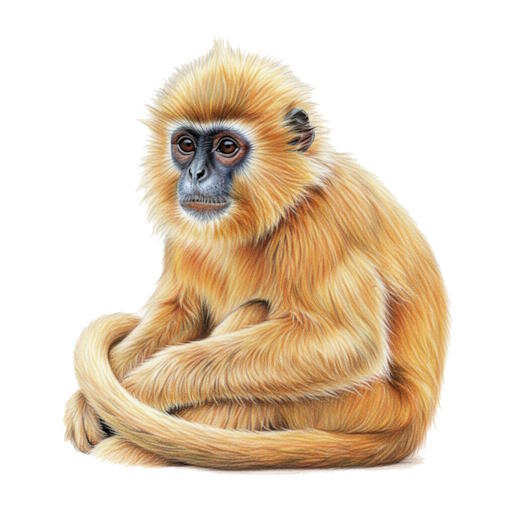
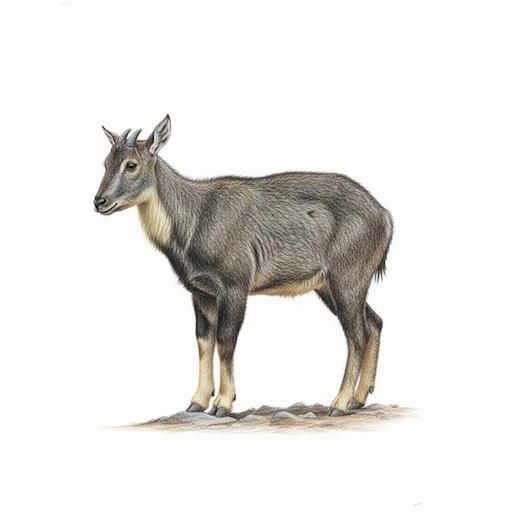
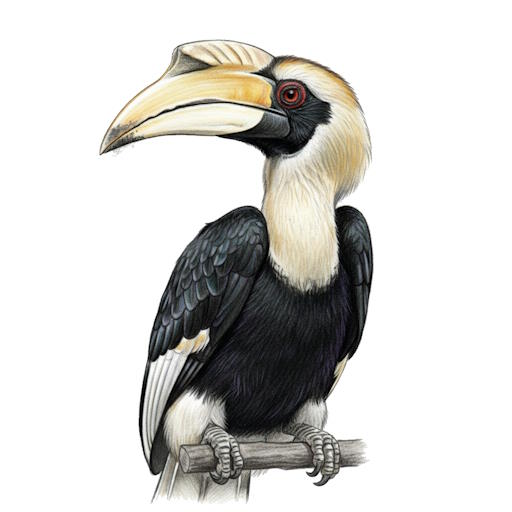
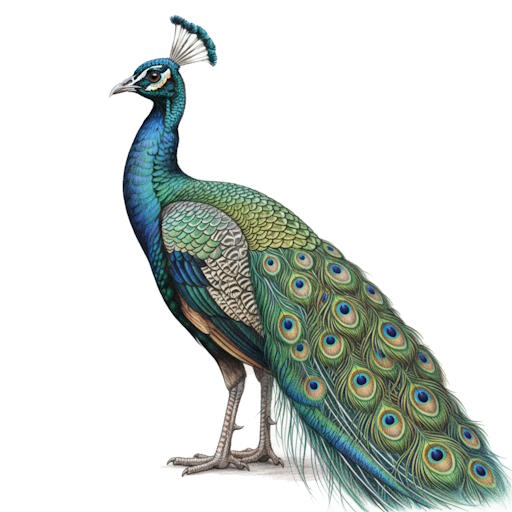
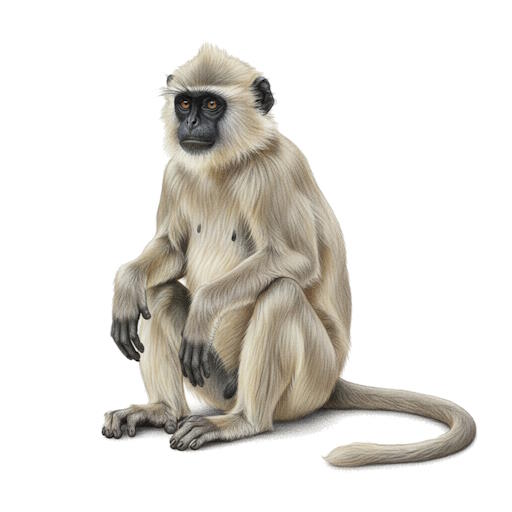
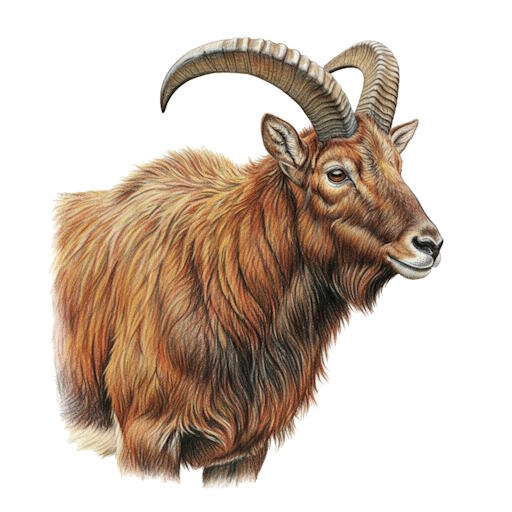
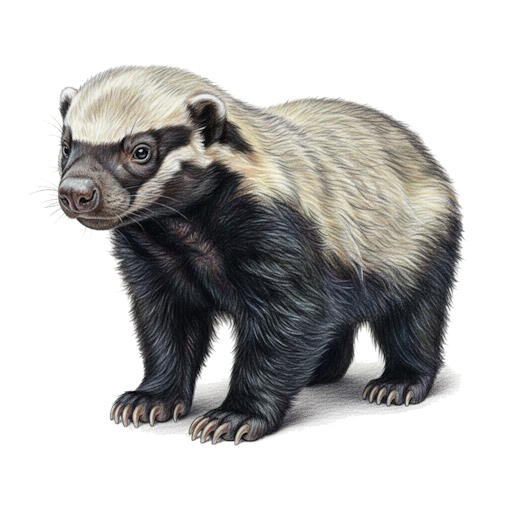
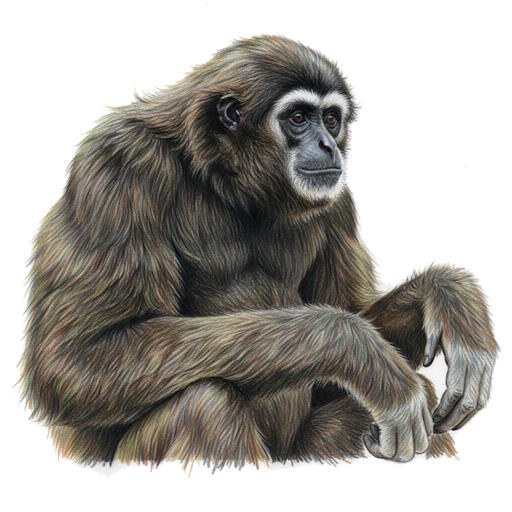
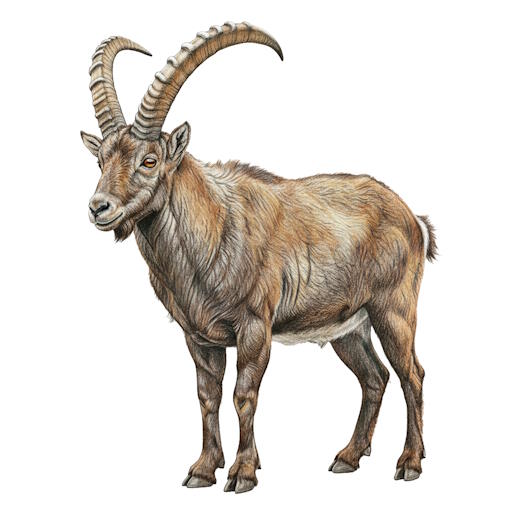
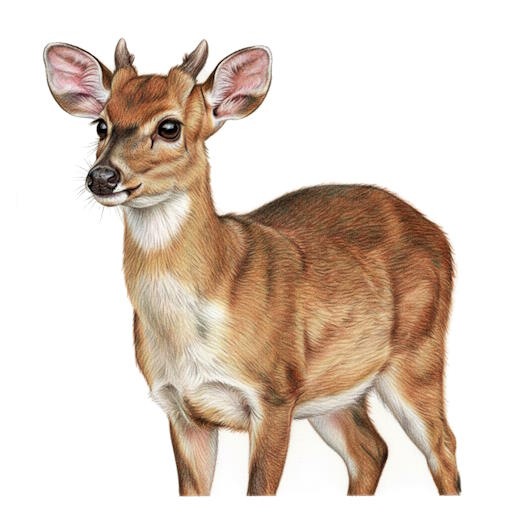
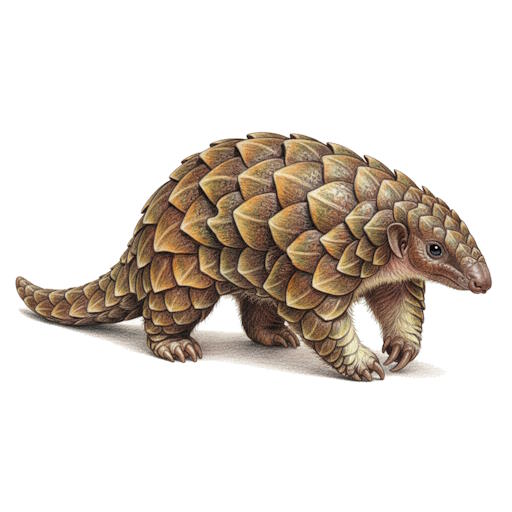
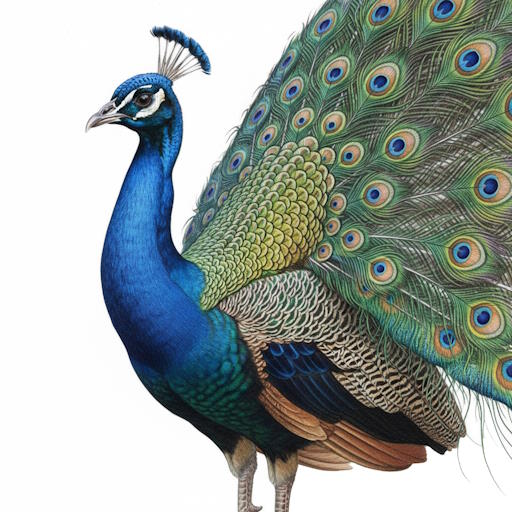
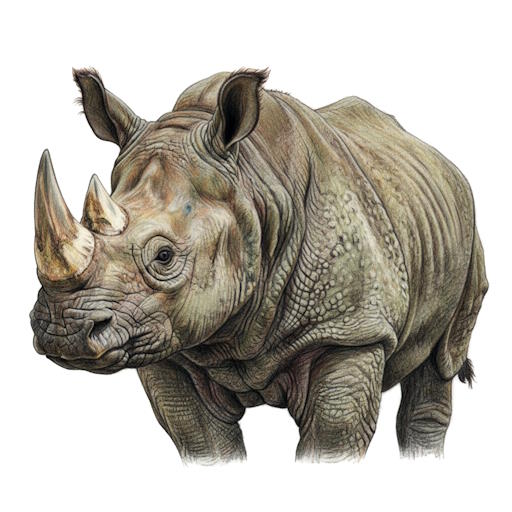
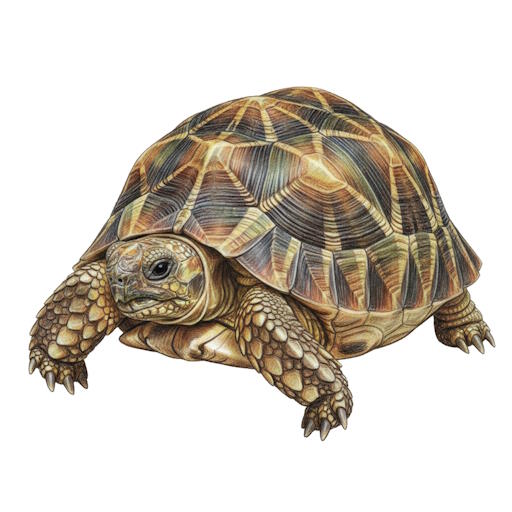
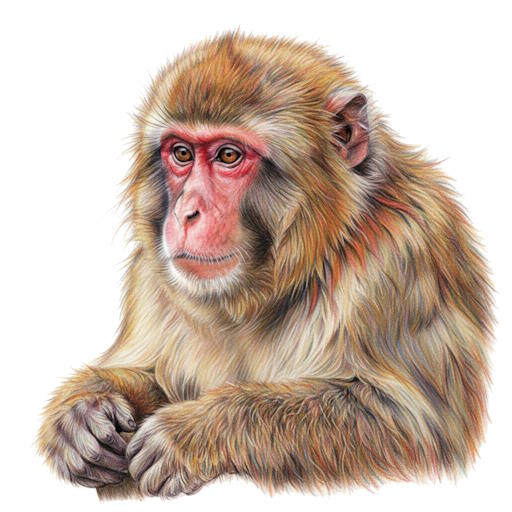
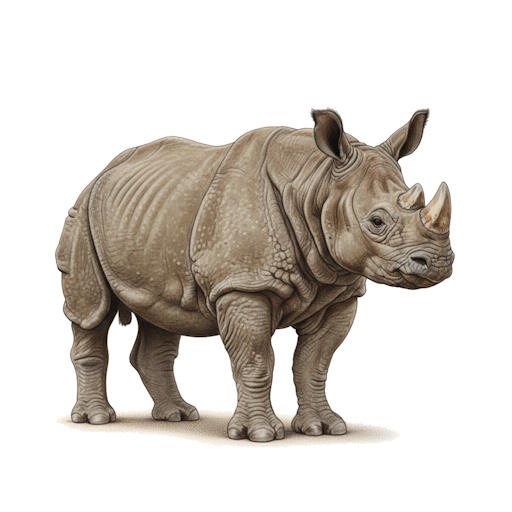
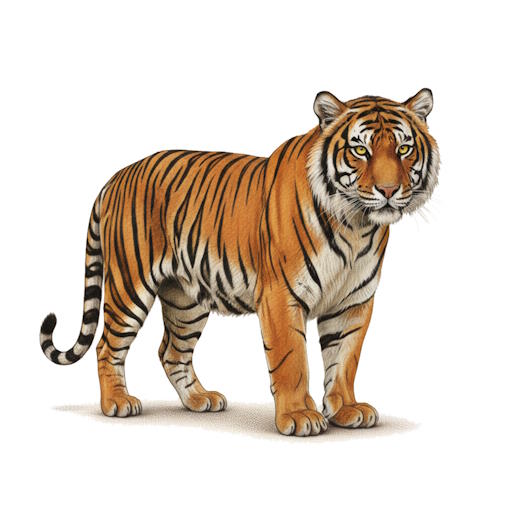
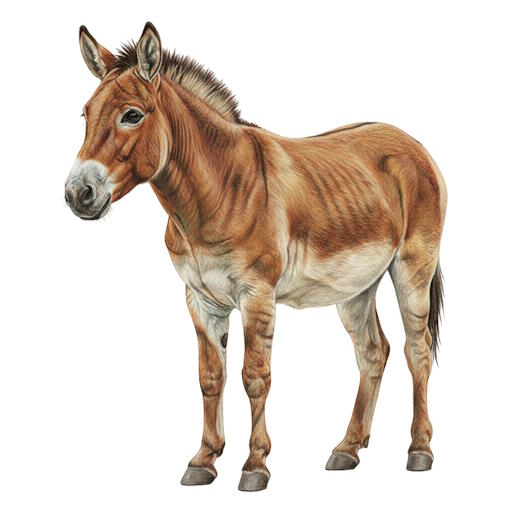
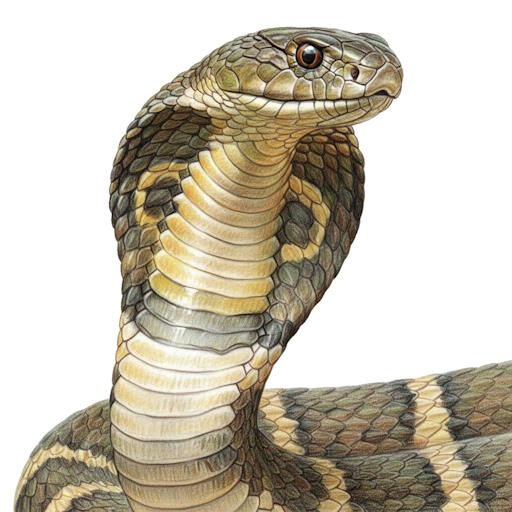
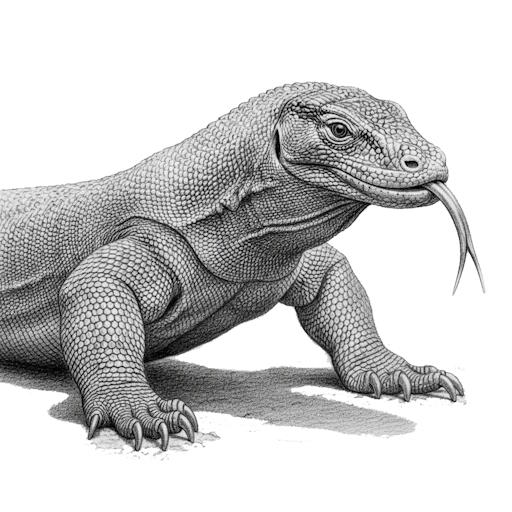
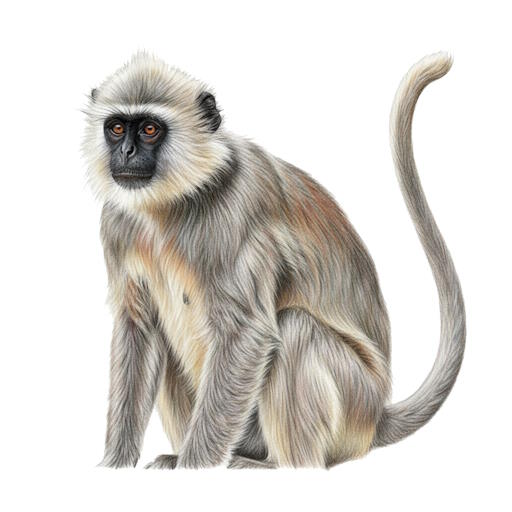
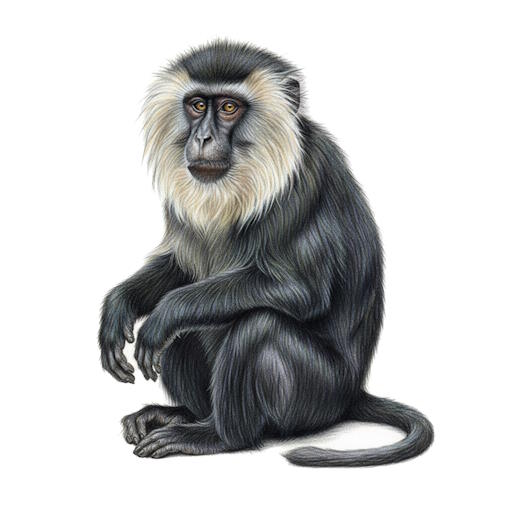
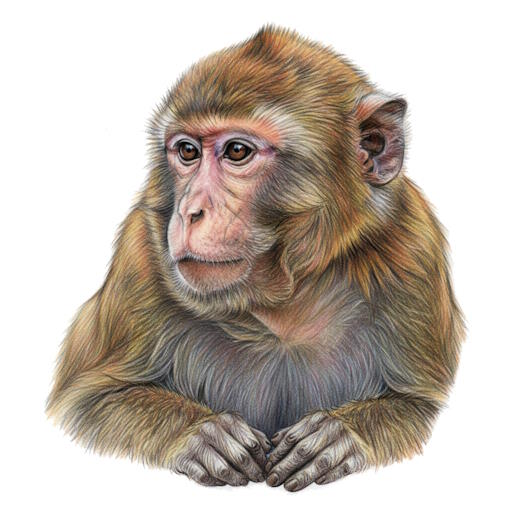
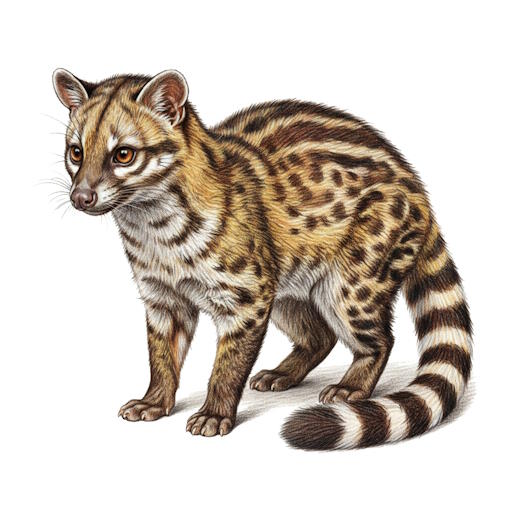
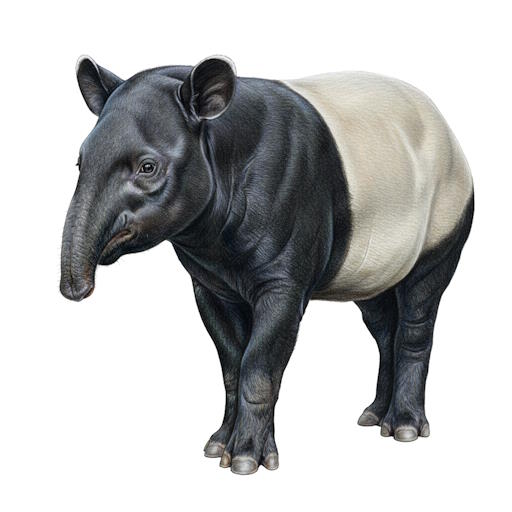
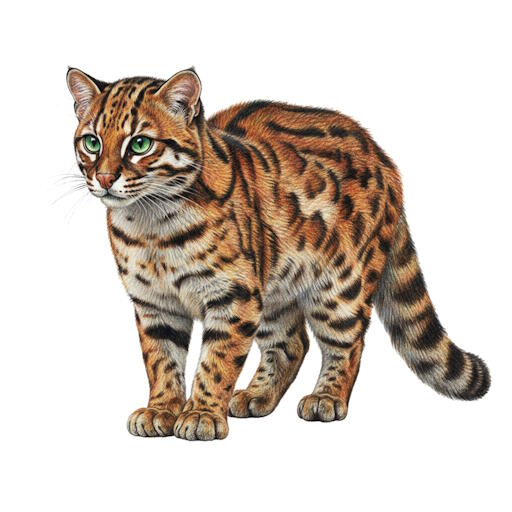
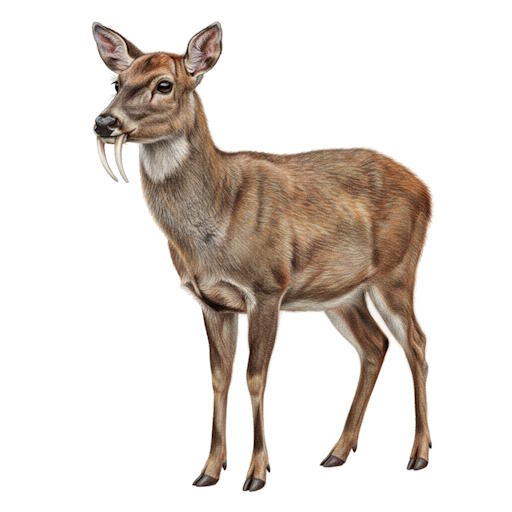
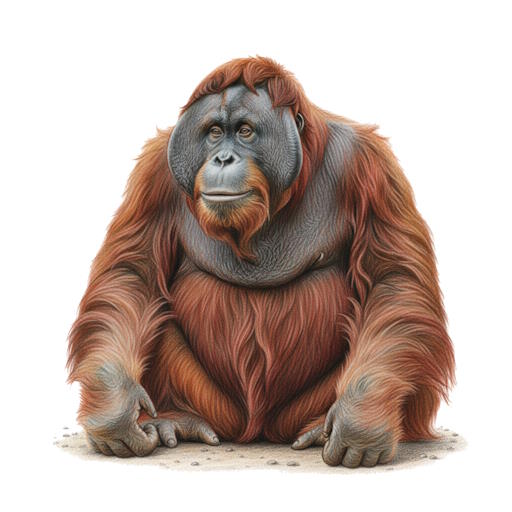
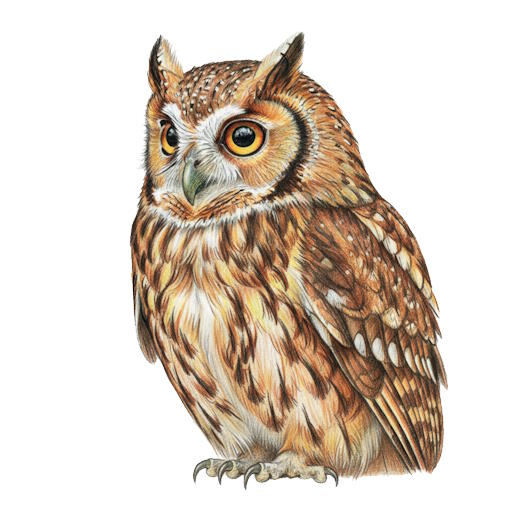
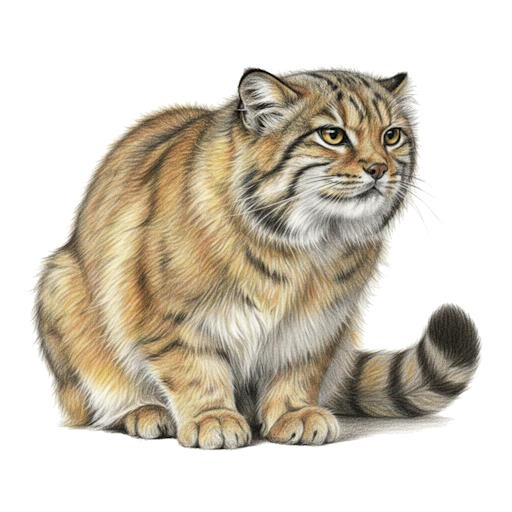
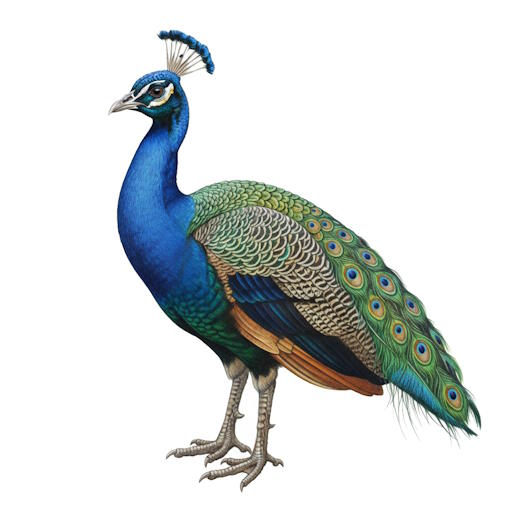
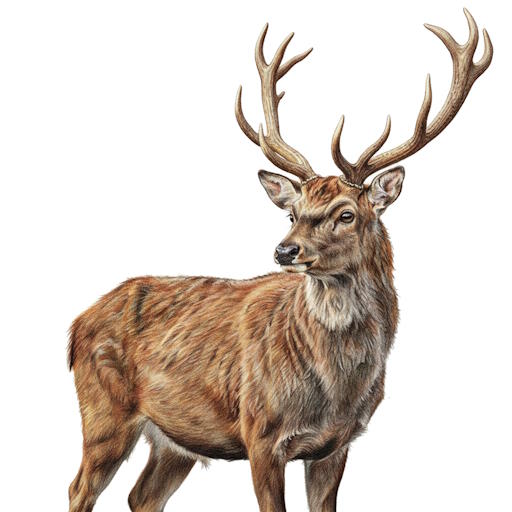
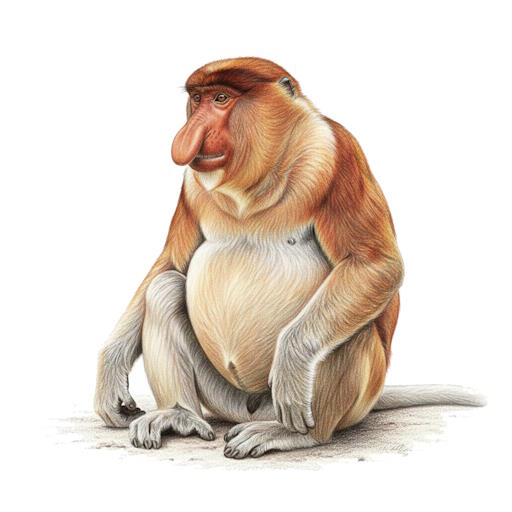
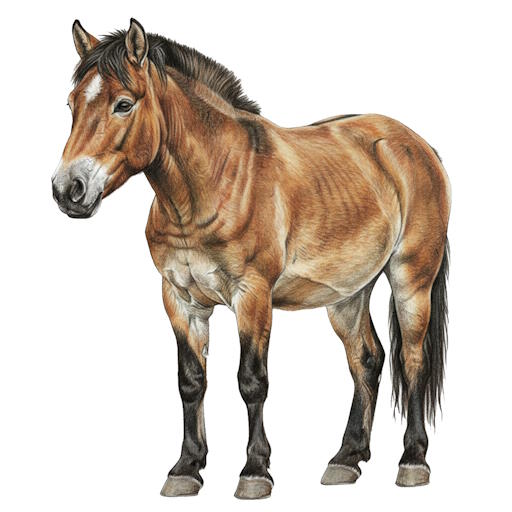
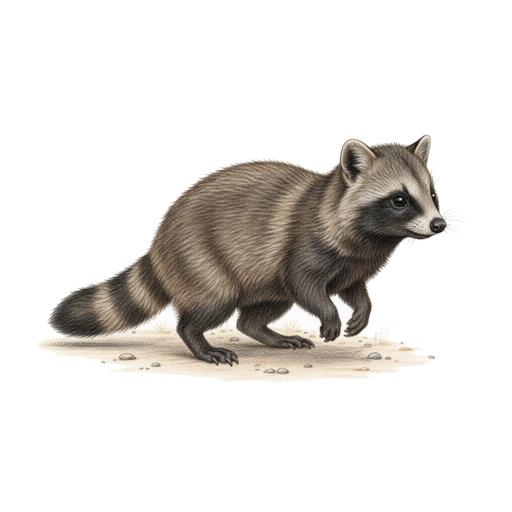
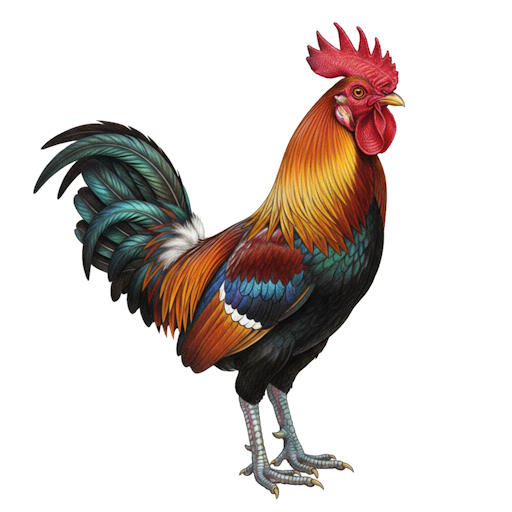
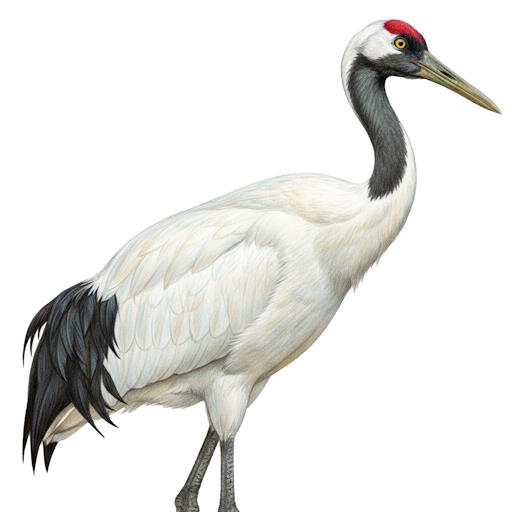
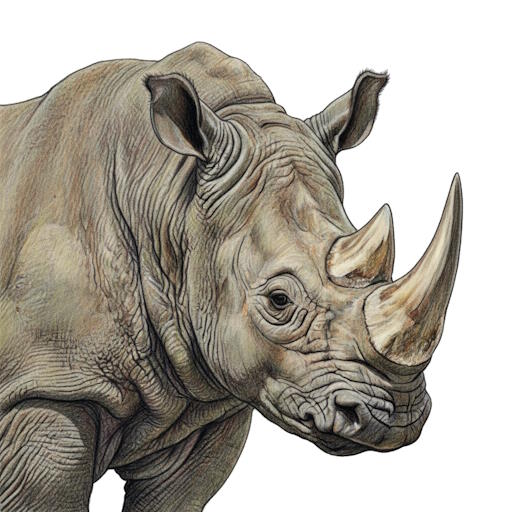
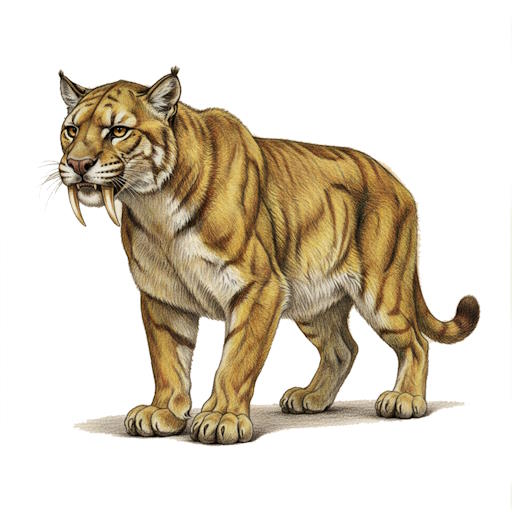
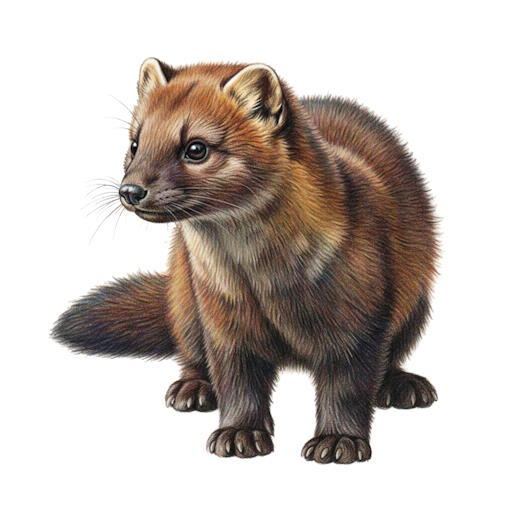
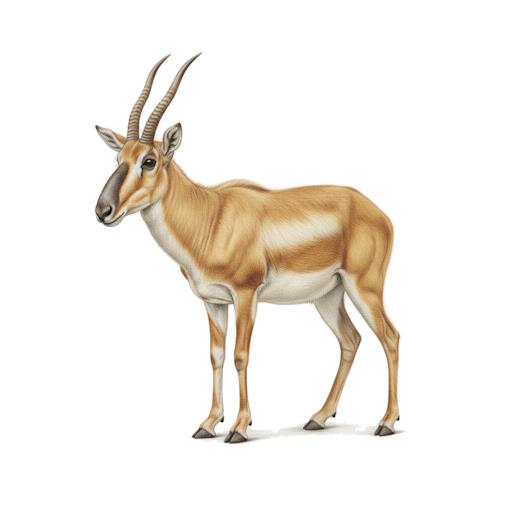
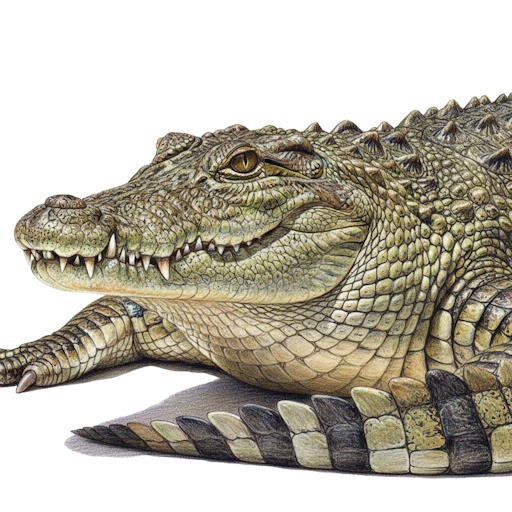
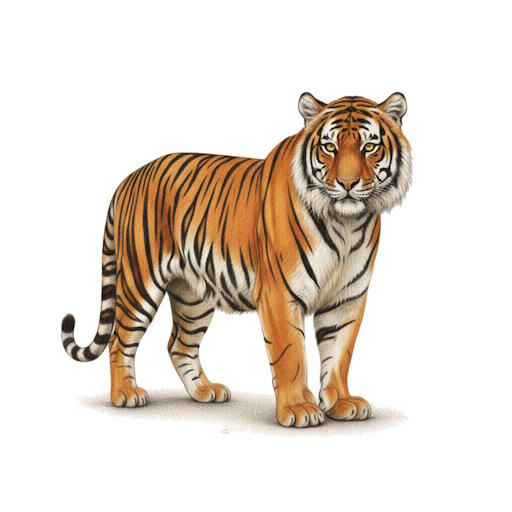
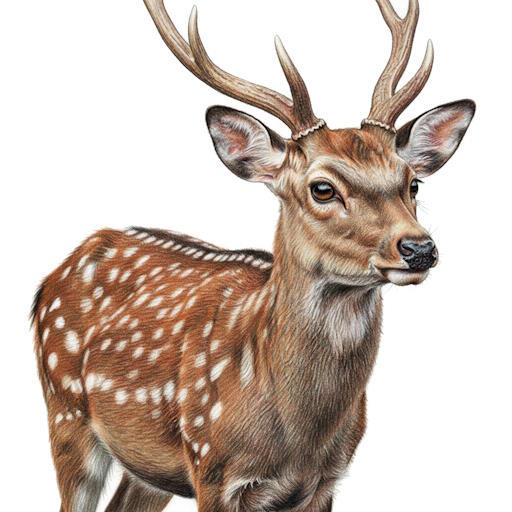
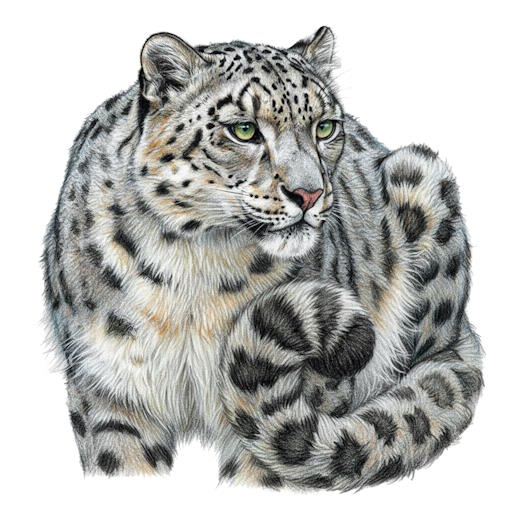
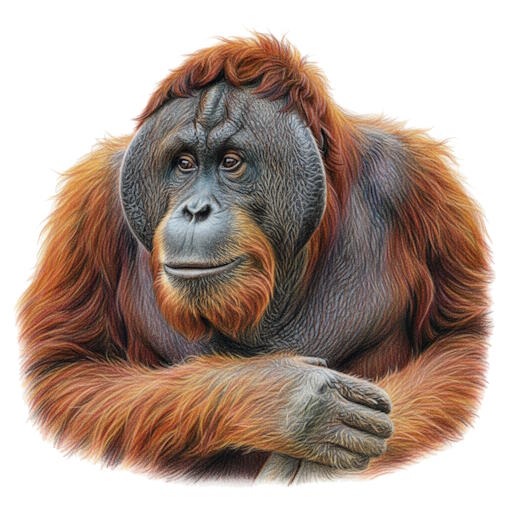
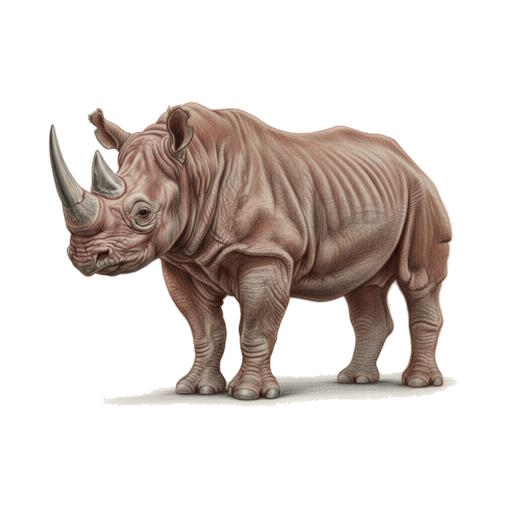
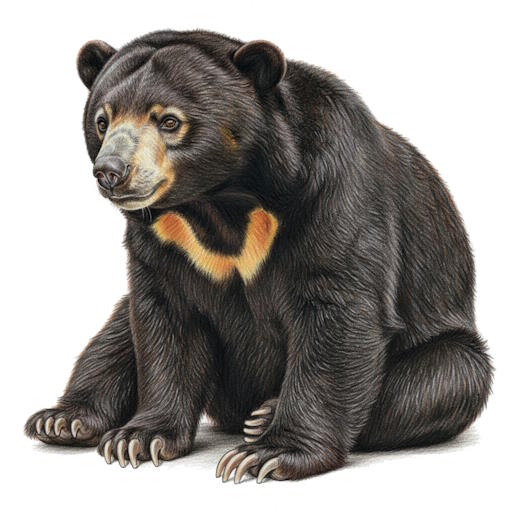
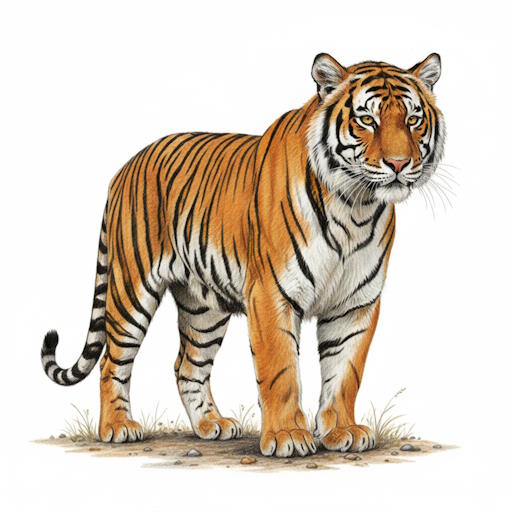
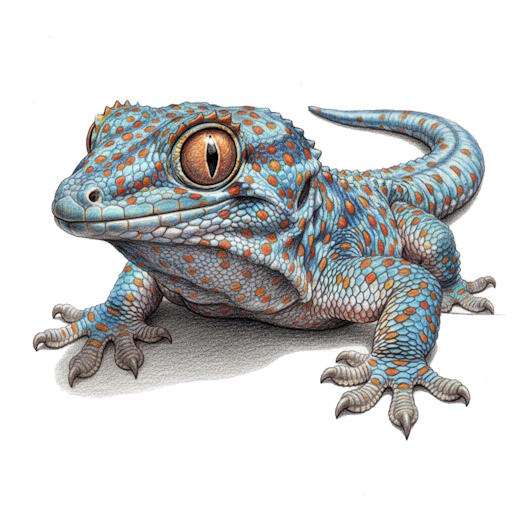
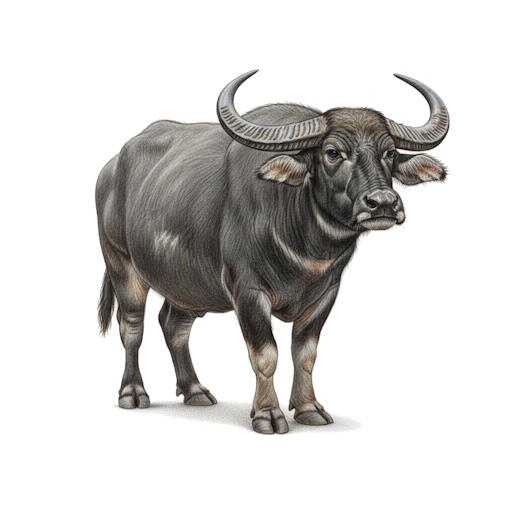
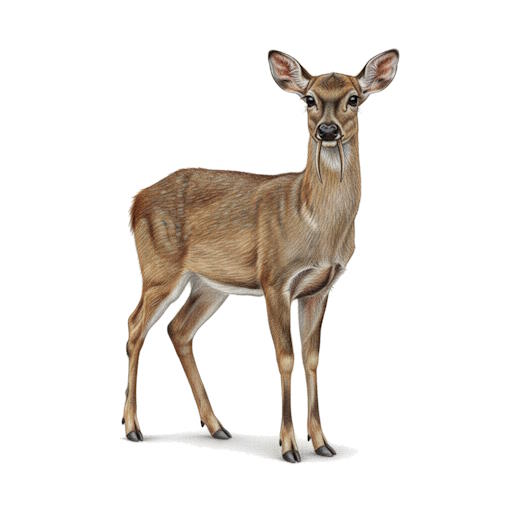
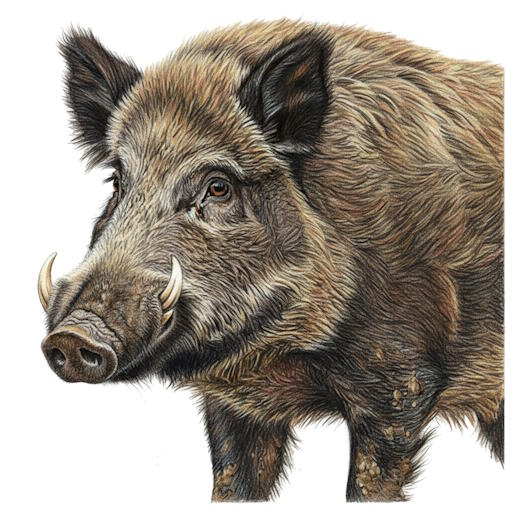
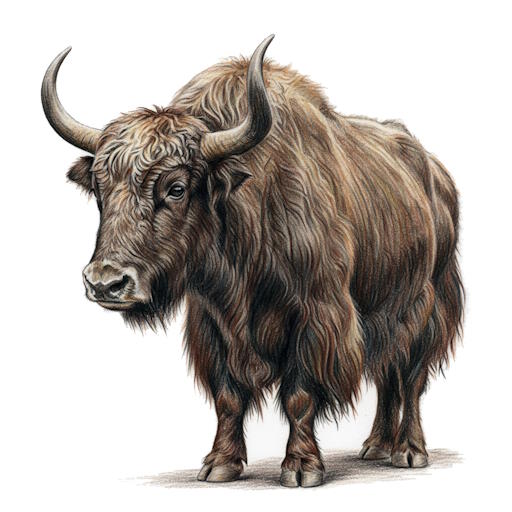
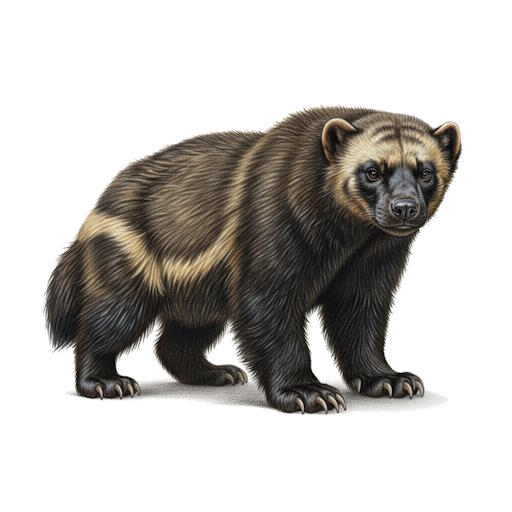
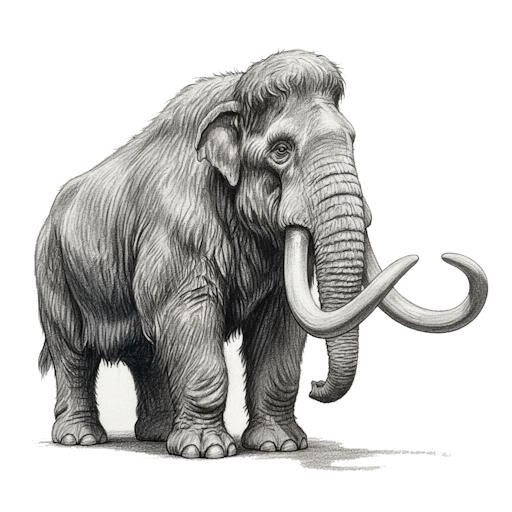
Asia is home to a spectacular variety of animals, including the Siberian tiger, giant panda , Asian elephant, and the Indian rhinoceros.
Population and Demographics
With a population of over 4.7 billion, Asia is by far the most populous continent. However, population density is highly varied throughout different areas of the continent. It is extremely dense in coastal regions and river valleys like those in India, China, and Japan, but very sparse in the interior deserts and frigid northern regions.
Conclusion
From the towering peaks of the Himalayas to the scorching deserts and lush rainforests, Asia is a continent of immense geographical and ecological diversity. This has led to the development of a vast and unequally distributed population.
The sheer scale of Asia's landmass and population, along with its varied landscapes, make it a continent of global significance that has influenced the course of world history.
Other Continents and Locations
There are more locations to explore. See other locations where our animals live.
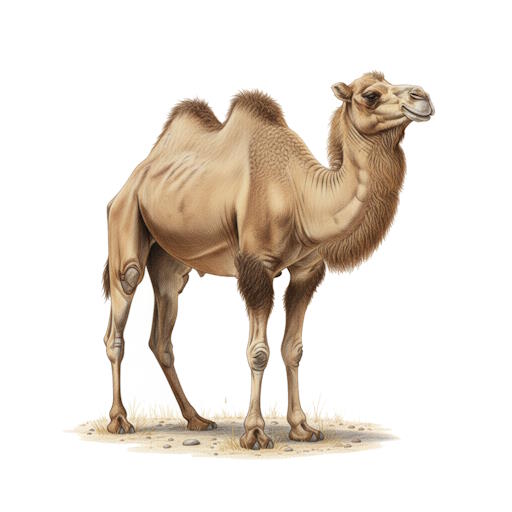
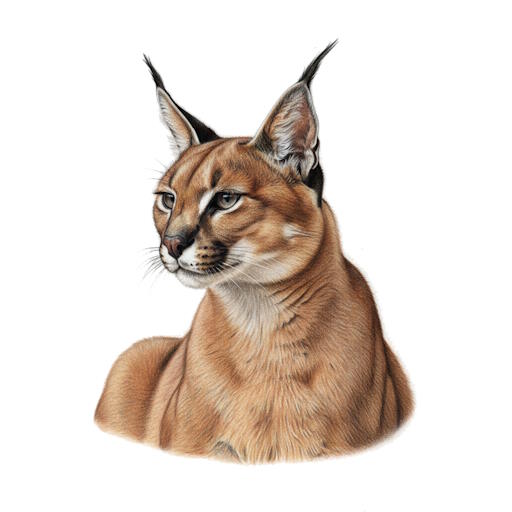
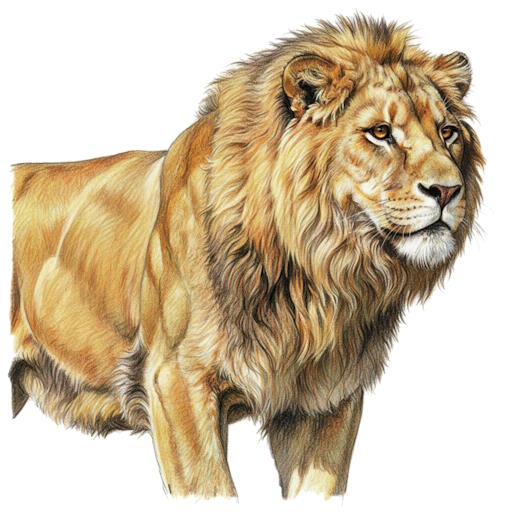
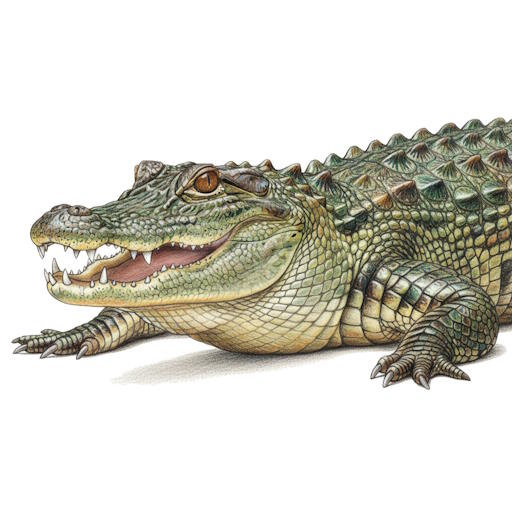
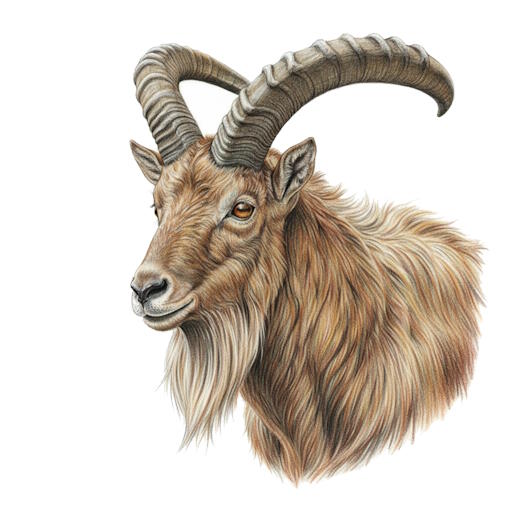
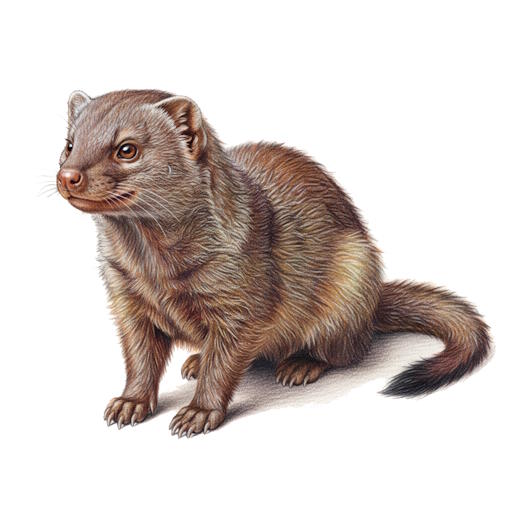
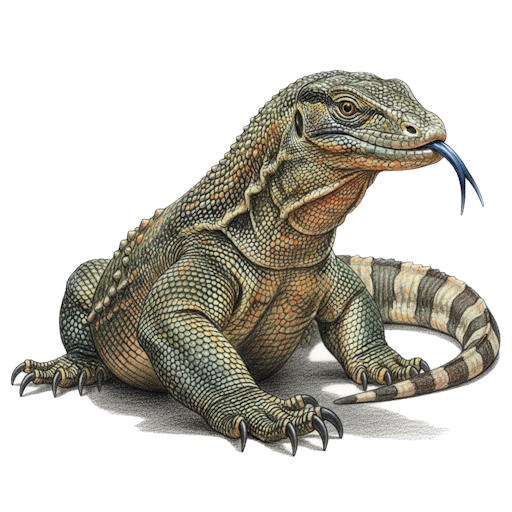
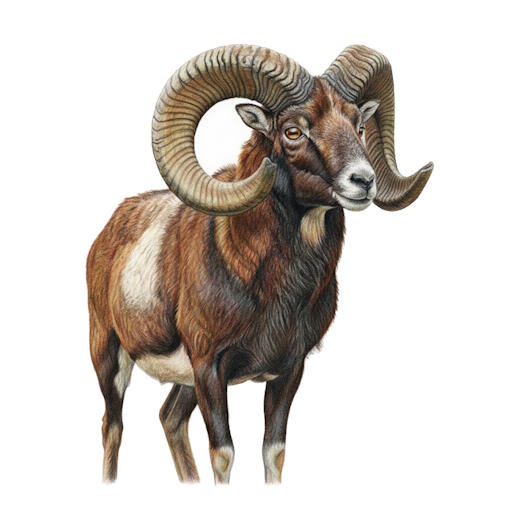
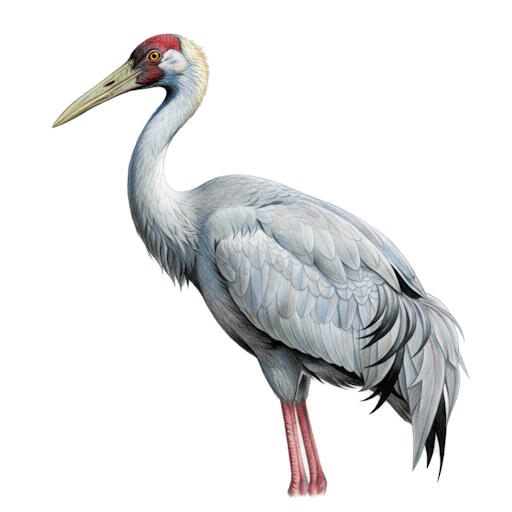
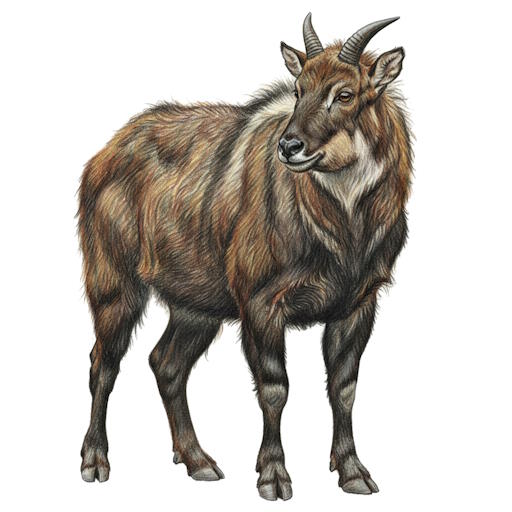
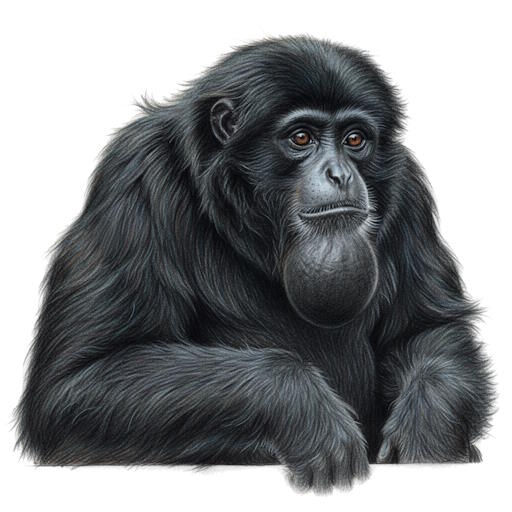
Animals found in Asia
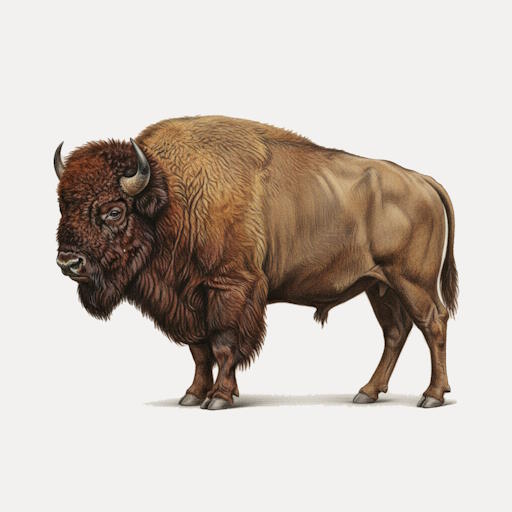
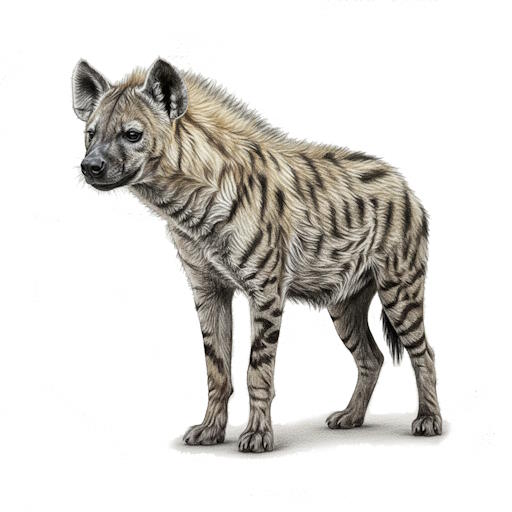
Click on an image to learn more about one of the animals.