Filter Feeder
A filter feeder is an animal that gets its food by filtering tiny plants, animals, or particles out of the water. Instead of hunting or chewing large food, filter feeders let water pass through special body parts that trap food. This diet is common in oceans, rivers, and lakes, where the water is full of microscopic life.
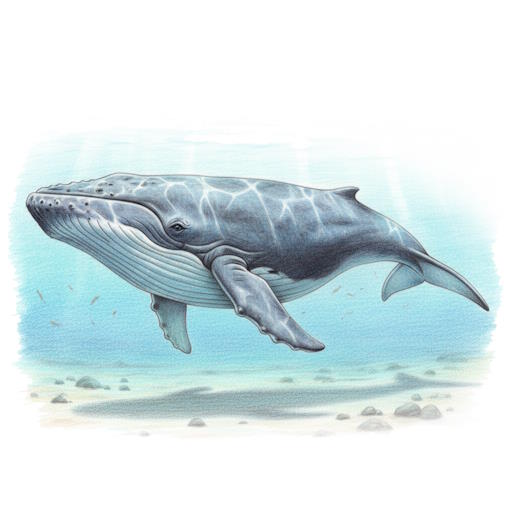
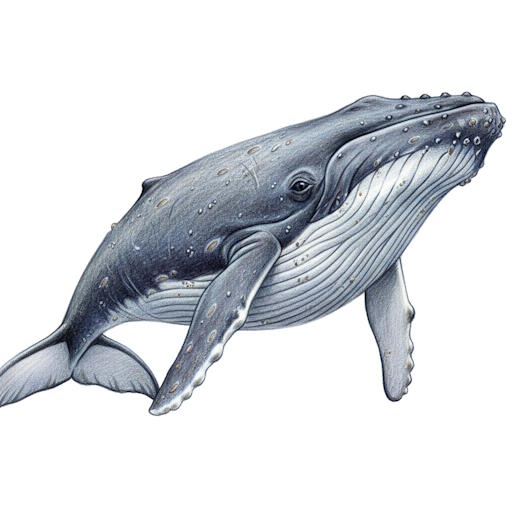
Some of the most famous filter feeders are whales (like the blue whale), clams, mussels, oysters, sponges, and certain kinds of fish like whale sharks and basking sharks. Each has its own way of filtering. For example, baleen whales use comb-like plates in their mouths to trap krill and plankton, while clams and mussels pump water through their gills to collect tiny food particles.
Filter feeders are very important to ecosystems. By constantly straining water, they help keep it clean and balanced. For example, oysters can filter gallons of water each day, removing extra algae and making the water clearer for other plants and animals to thrive.
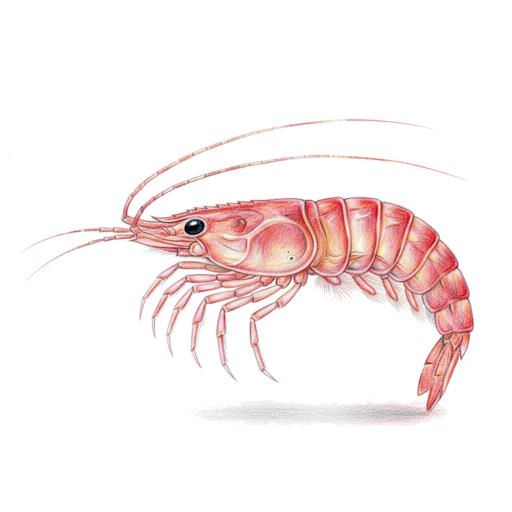
Even though filter feeders eat very small things, many of them are large animals. The blue whale, the largest animal on Earth, survives almost entirely on tiny shrimp-like creatures. This shows how powerful and effective filter feeding can be as a way of life.
In short, a filter feeder is an animal that collects small bits of food by straining them from the water. They help keep water ecosystems healthy and support food chains all over the world.
Other Diets
There are more diets to explore. See the other types of diets some of our animals have.
Animals with a Filter Feeder Diet
Click on an image to learn more about one of the animals.