Nectarivore
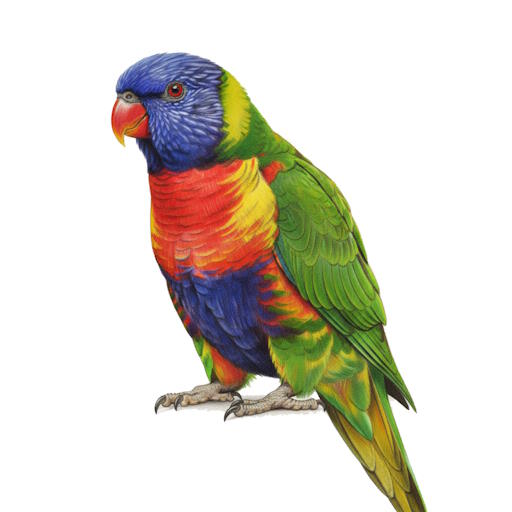
A nectarivore is an animal that mainly eats nectar, the sweet liquid produced by flowers. Nectar is packed with sugars, which give animals a quick burst of energy. Unlike carnivores (meat-eaters) or herbivores (plant-eaters), nectarivores focus on this sugary food source to survive.
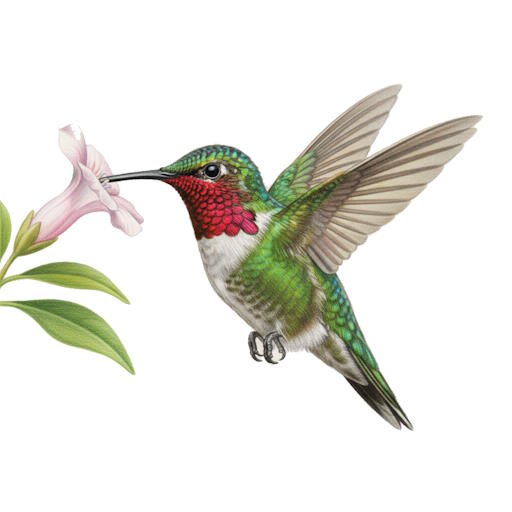
Common nectarivores include hummingbirds, bees, butterflies, moths, bats, and some small marsupials. These animals often have special body parts that help them reach and drink nectar. For example, hummingbirds have long, thin beaks and tongues for sipping from flowers, while butterflies and moths use a long, straw-like tongue called a proboscis.
Nectarivores play a very important role in ecosystems. As they drink nectar, they often brush against pollen inside the flower. That pollen sticks to their bodies and gets carried to the next flower they visit. This process, called pollination, allows plants to reproduce and make seeds, fruits, and more flowers. Without nectarivores, many plants would not survive—and that would affect other animals that depend on those plants for food and shelter.
Even though nectar provides energy, it doesn’t have much protein. That’s why many nectarivores also eat other foods. Bees eat pollen for protein, while hummingbirds catch small insects and spiders. This mix of nectar and other foods gives them all the nutrients they need.
In short, nectarivores are animals that drink nectar from flowers. They are not only fascinating to watch, but they are also crucial for pollination and keeping ecosystems healthy.
Other Diets
There are more diets to explore. See the other types of diets some of our animals have.
Animals with a Nectarivore Diet
Click on an image to learn more about one of the animals.