Animal Family: Canidae
About the Canidae Family
The parent order is Carnivora.
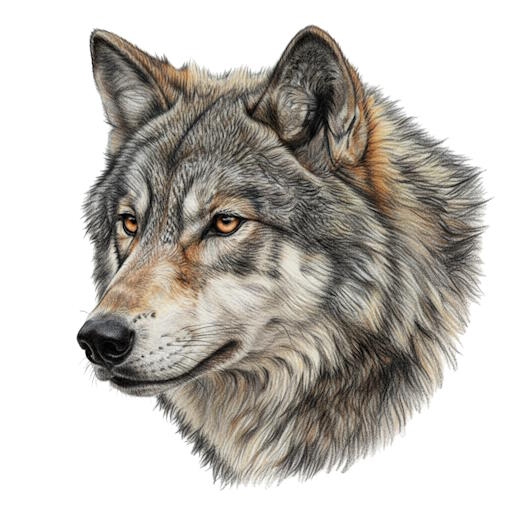
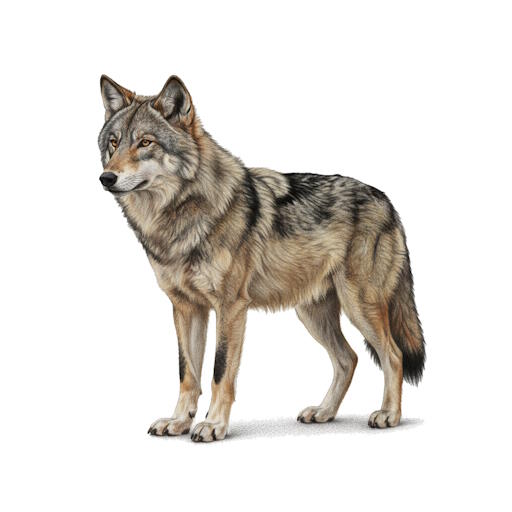
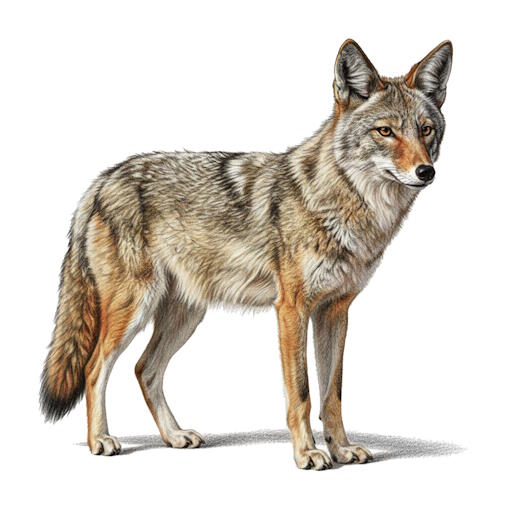
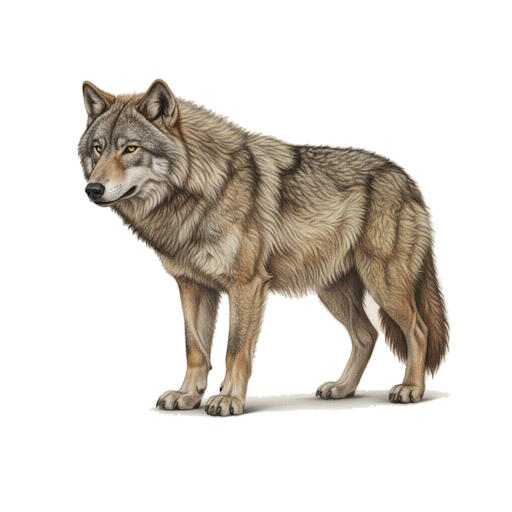
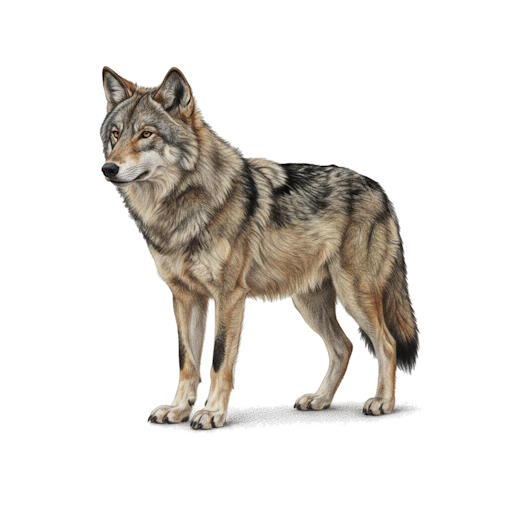
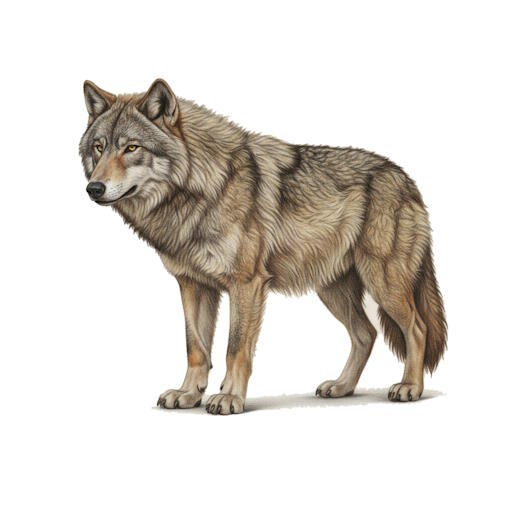
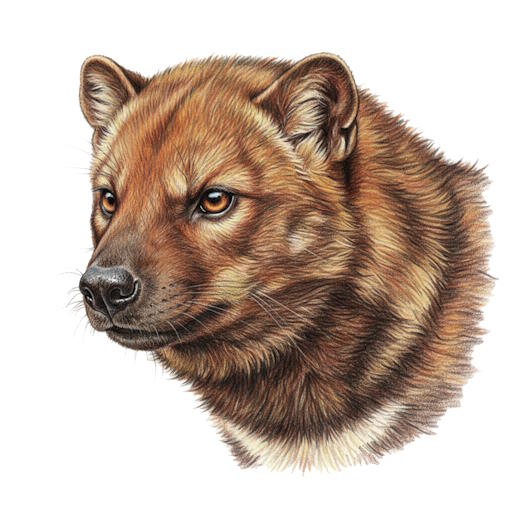
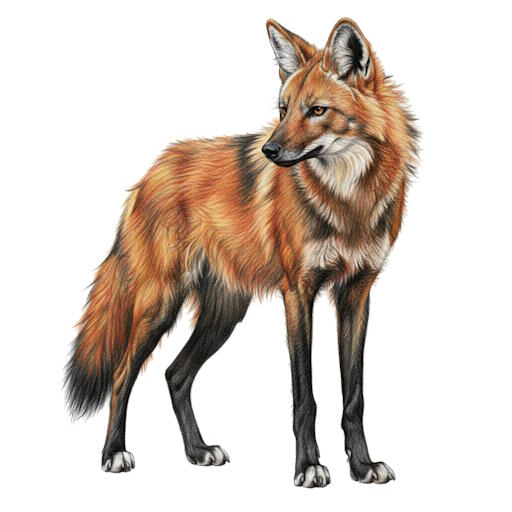
The Canidae family, a diverse and widespread group of carnivorous mammals, includes familiar animals such as dogs, wolves, foxes, and jackals. This family is characterized by their keen senses, adaptability, and generally social behaviors, making them incredibly successful across various ecosystems worldwide.
What truly sets Canidae apart is their remarkable adaptability in both physical form and social structures. From the solitary red fox to the highly cooperative wolf pack, canids exhibit a broad spectrum of hunting strategies and social dynamics. Most canids share common traits such as a relatively long muzzle, erect ears, and a bushy tail. Their dental structure, including prominent canines and specialized carnassial teeth, is well-suited for a predatory diet, though many species are opportunistic omnivores. Furthermore, their strong sense of smell and endurance are key adaptations for tracking and pursuing prey. While domestic dogs showcase the extreme diversity within the family, all canids share an underlying genetic and evolutionary connection that speaks to their common ancestry.
Other Orders
There are many different orders based upon their class. To learn more about classification orders, click here.
Genera within Canidae
Within the order of Canidae, there are one or more genus of animals that share common characteristics and traits.
Each genus represents a more specific grouping within the order, highlighting the diversity and specialization of species that have adapted to various ecological niches. Below is a list of genera that fall under this order, showcasing the rich variety of life forms classified within this taxonomic category.
Aenocyon
Canis
Chrysocyon
Cuon
Lycaon
Nyctereutes
Otocyon
Speothos
Vulpes
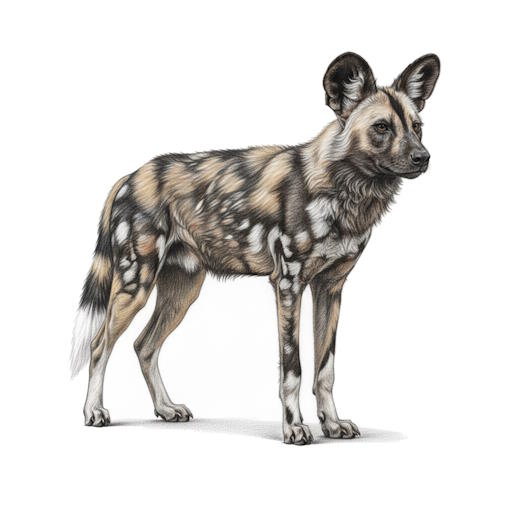
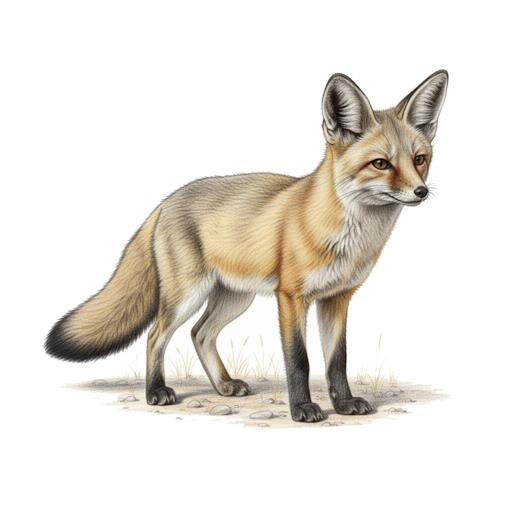
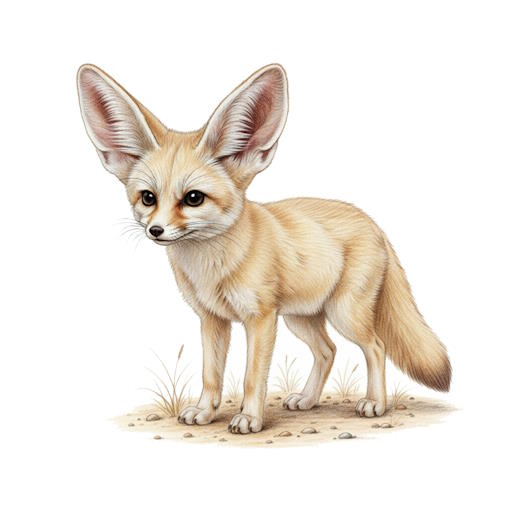
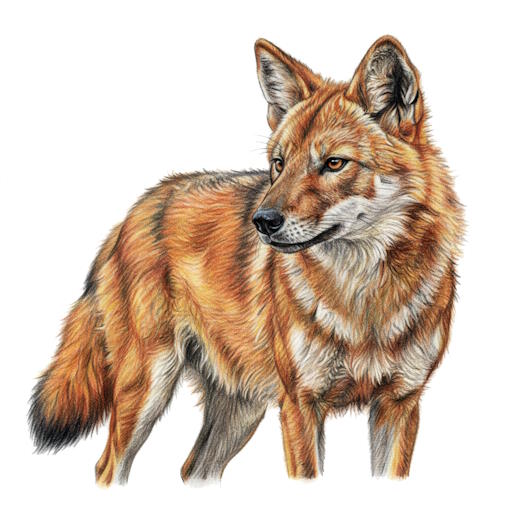
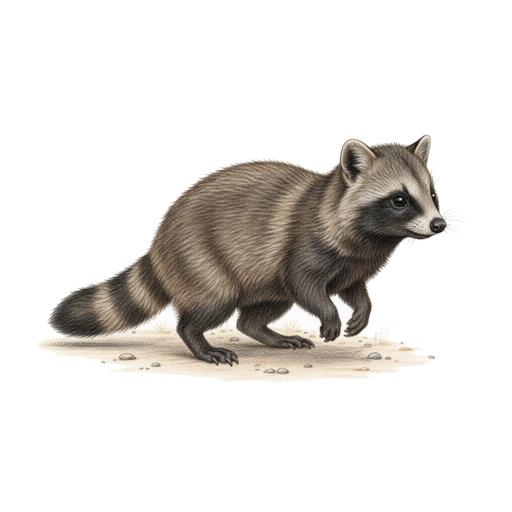
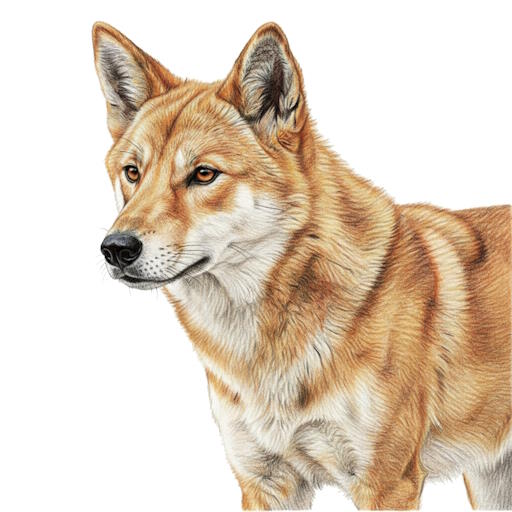
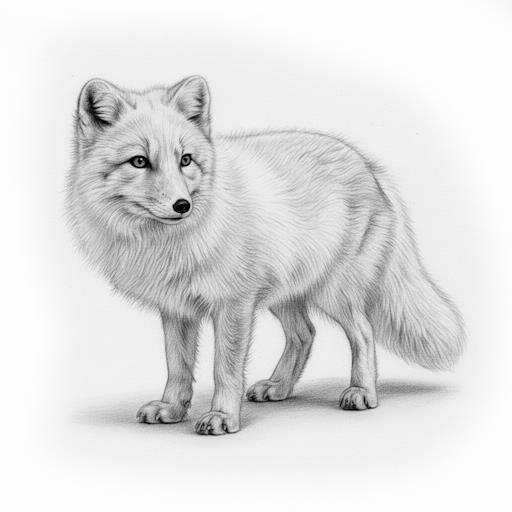
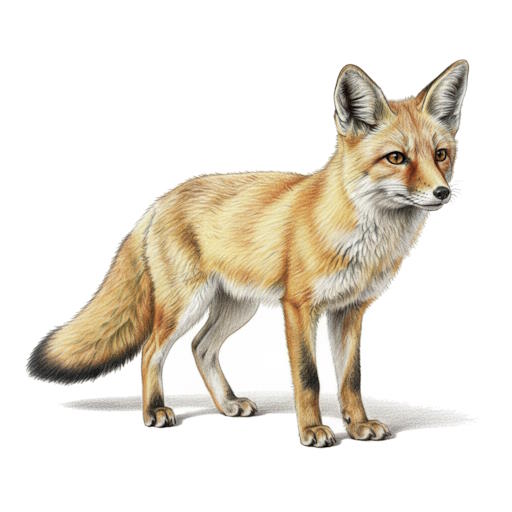
Animals in the family of Canidae
Click on an image to learn more about one of the animals.