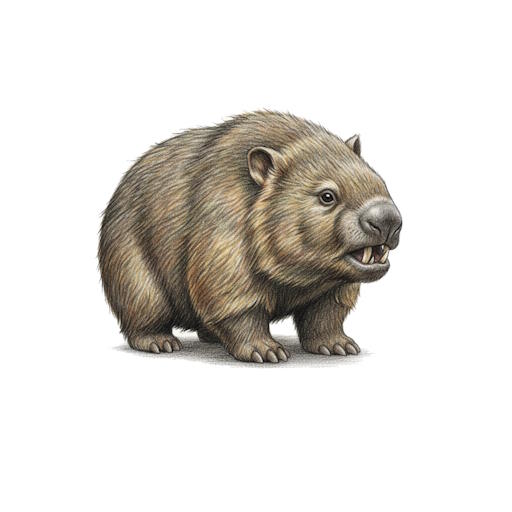
Animal Family: Diprotodontidae
About the Diprotodontidae Family
The parent order is Diprotodontia.
Delve into the fascinating world of the Diprotodontidae family, an iconic group of marsupials native to Australia and New Guinea. This family encompasses some of the most recognizable and beloved Australian fauna, including kangaroos, wallabies, and tree-kangaroos, all united by their distinctive evolutionary adaptations.
What truly sets Diprotodontidae apart is their unique dental structure, characterized by two large, forward-pointing lower incisors, a trait that gives the order Diprotodontia its name ("two front teeth"). This specialized dentition is primarily adapted for their herbivorous diet. Furthermore, members of this family share a common syndactylous hind foot, where the second and third toes are fused, aiding in climbing and grooming.
Animals within the Diprotodontidae family exhibit a remarkable diversity in size, habitat, and locomotion, yet they all share a common ancestry rooted in the Australian landmass. From the powerful hopping of kangaroos across vast plains to the arboreal agility of tree-kangaroos in dense forests, their shared traits reflect a successful evolutionary lineage perfectly adapted to the unique ecological niches of their native continents.
Other Orders
There are many different orders based upon their class. To learn more about classification orders, click here.
Genera within Diprotodontidae
Within the order of Diprotodontidae, there are one or more genus of animals that share common characteristics and traits.
Each genus represents a more specific grouping within the order, highlighting the diversity and specialization of species that have adapted to various ecological niches. Below is a list of genera that fall under this order, showcasing the rich variety of life forms classified within this taxonomic category.
Diprotodon
Animals in the family of Diprotodontidae
Click on an image to learn more about one of the animals.