Animal Family: Emydidae
About the Emydidae Family
The parent order is Testudines.
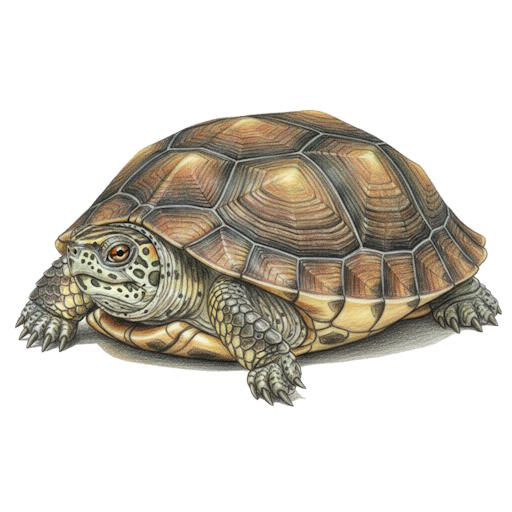
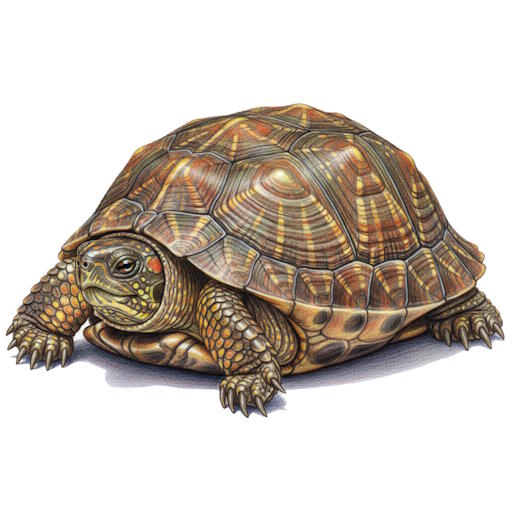
Delve into the diverse world of the Emydidae family, a widespread group of freshwater and semi-aquatic turtles found across the Americas, Europe, and Asia. This family, often referred to as pond turtles or box turtles, is renowned for its remarkable adaptability and the ecological roles its members play in various aquatic and terrestrial habitats.
What makes Emydidae unique is the incredible diversity of its members, showcasing a wide range of shell shapes, sizes, and colorations adapted to their specific environments. From the highly aquatic pond turtles to the more terrestrial box turtles, their evolutionary journey has led to fascinating specializations.
Animals within the Emydidae family share several common traits. They typically possess a hard, bony shell that provides protection, often exhibiting a carapacial (upper shell) shape that can be flattened for swimming or domed for terrestrial protection. Most species are omnivorous, with diets varying based on their habitat and age, consuming a mix of aquatic plants, insects, fish, and small invertebrates. Many Emydids are also known for their long lifespans and their ability to retract their heads and limbs fully or partially into their shells, a crucial defense mechanism. Their reproductive strategy involves laying eggs, usually in a nest dug in the soil.
Other Orders
There are many different orders based upon their class. To learn more about classification orders, click here.
Genera within Emydidae
Within the order of Emydidae, there are one or more genus of animals that share common characteristics and traits.
Each genus represents a more specific grouping within the order, highlighting the diversity and specialization of species that have adapted to various ecological niches. Below is a list of genera that fall under this order, showcasing the rich variety of life forms classified within this taxonomic category.
Malaclemys
Terrapene
Animals in the family of Emydidae
Click on an image to learn more about one of the animals.