Animal Family: Glyptodontidae
About the Glyptodontidae Family
The parent order is Cingulata.
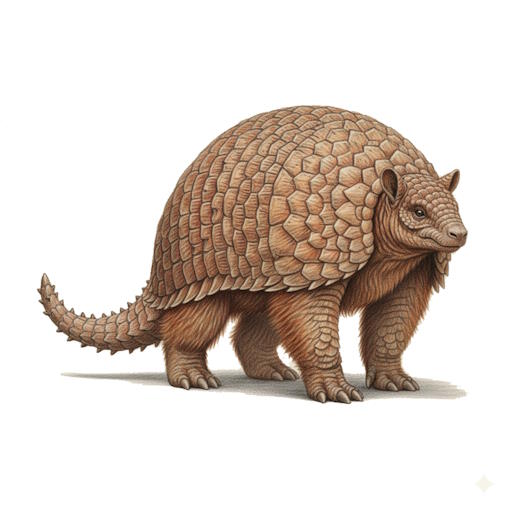
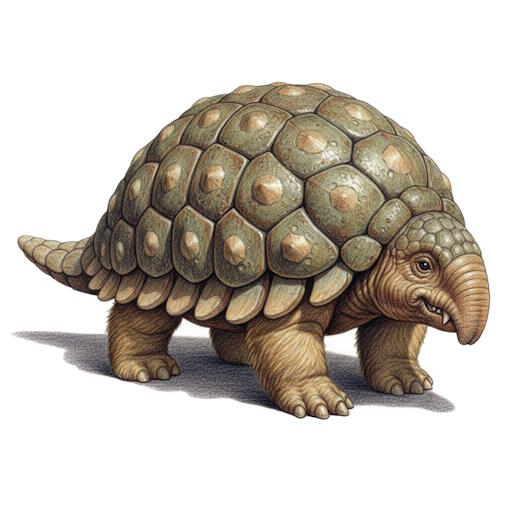
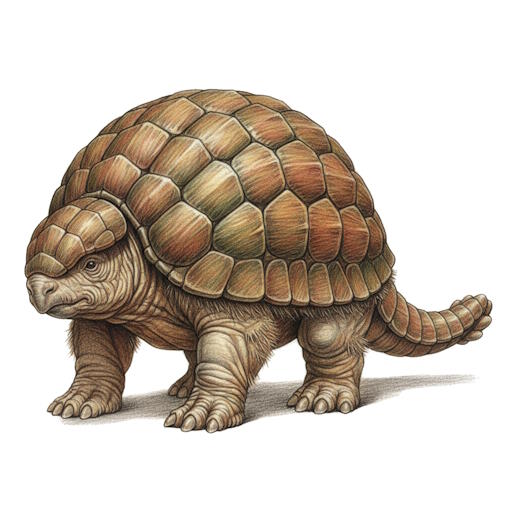
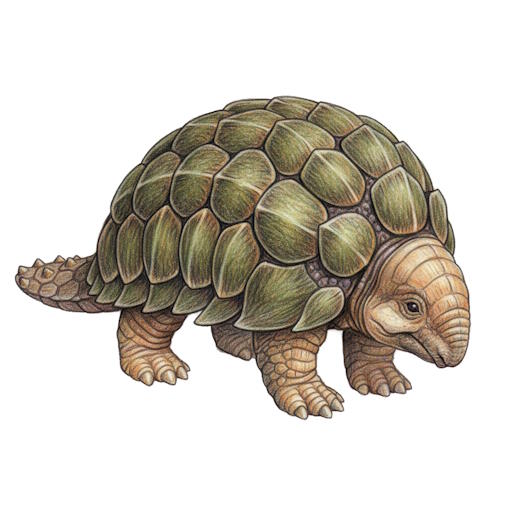
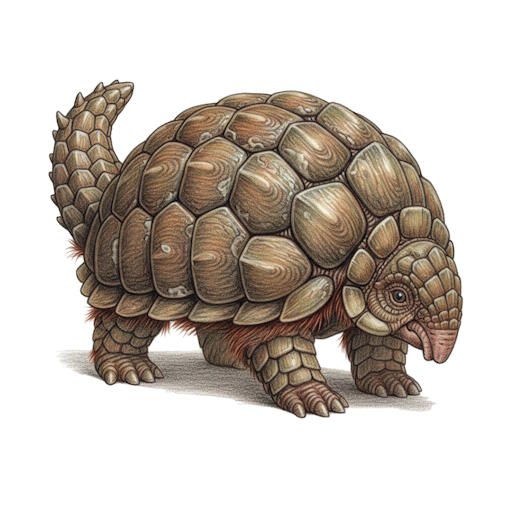
Step back in time to explore the remarkable Glyptodontidae family, an extinct group of heavily armored mammals that once roamed the ancient landscapes of the Americas. These fascinating creatures, often resembling oversized armadillos, stood out with their unparalleled defensive adaptations and massive builds. While no longer inhabiting our planet, their unique evolutionary path offers a captivating glimpse into prehistoric life.
What truly made Glyptodontidae unique was their extraordinary ossified carapace. Unlike modern armadillos, this dome-shaped armor was a single, rigid shell, providing an impenetrable shield against predators. This solid, immovable protection, sometimes adorned with spikes or knobs, was a primary shared trait among all members of this family. Additionally, many species possessed a formidable club-like tail, often armored with bony plates, which they likely used for defense against large carnivores. Their robust, short limbs and broad, flattened teeth further indicate a common trait of being slow-moving herbivores, adapted for grazing on tough vegetation. These powerful yet placid giants represent a singular branch on the tree of life, demonstrating an exceptional commitment to defense.
Other Orders
There are many different orders based upon their class. To learn more about classification orders, click here.
Genera within Glyptodontidae
Within the order of Glyptodontidae, there are one or more genus of animals that share common characteristics and traits.
Each genus represents a more specific grouping within the order, highlighting the diversity and specialization of species that have adapted to various ecological niches. Below is a list of genera that fall under this order, showcasing the rich variety of life forms classified within this taxonomic category.
Doedicurus
Glyptodon
Glyptotherium
Hoplophorus
Neosclerocalyptus
Panochthus
Animals in the family of Glyptodontidae
Click on an image to learn more about one of the animals.