Animal Family: Gruidae
About the Gruidae Family
The parent order is Gruiformes.
Step into the elegant world of the Gruidae family, commonly known as cranes. These magnificent birds are celebrated for their striking beauty, elaborate courtship dances, and powerful vocalizations. More than just visually impressive, cranes play vital ecological roles across diverse wetlands and grasslands worldwide.
What makes Gruidae truly unique is their remarkable array of behaviors, particularly their complex and often synchronized pair-bonding and territorial displays. These long-legged, long-necked birds possess a keen sense of awareness and exhibit fascinating social structures. Traits common to animals in this family include their largely monochromatic plumage (often with distinctive head patterns), their ability to fly with their necks outstretched, and their omnivorous diets which adapt to seasonal availability.
Cranes are also distinguished by their single breeding season per year and their tendency to form monogamous pairs. Their powerful, trumpeting calls, produced by an elongated trachea coiled within their sternum, are iconic sounds of the wild, further highlighting their unique communicative abilities. These shared characteristics underscore the distinct evolutionary path of the Gruidae family, making them a truly captivating subject for zoological study and conservation efforts.
Other Orders
There are many different orders based upon their class. To learn more about classification orders, click here.
Genera within Gruidae
Within the order of Gruidae, there are one or more genus of animals that share common characteristics and traits.
Each genus represents a more specific grouping within the order, highlighting the diversity and specialization of species that have adapted to various ecological niches. Below is a list of genera that fall under this order, showcasing the rich variety of life forms classified within this taxonomic category.
Antigone
Grus
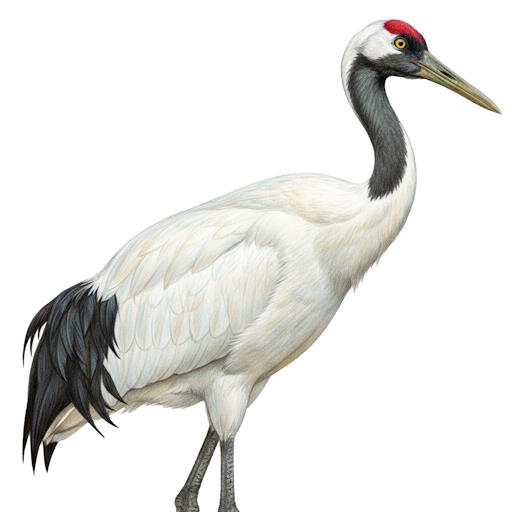
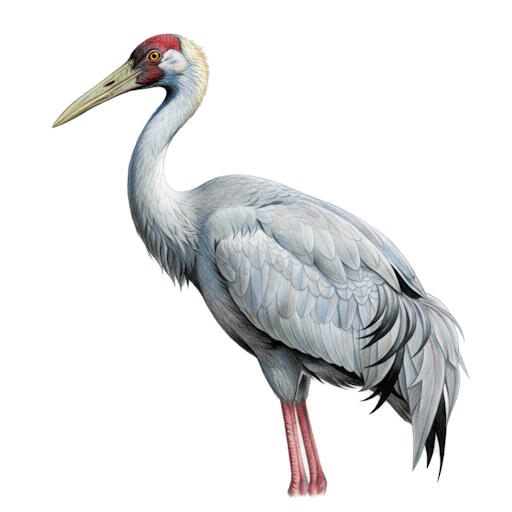
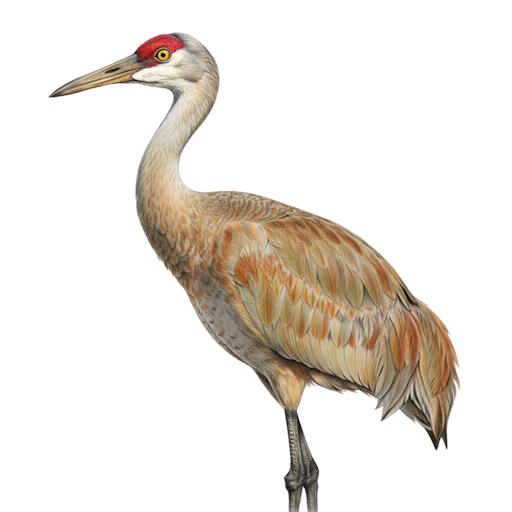
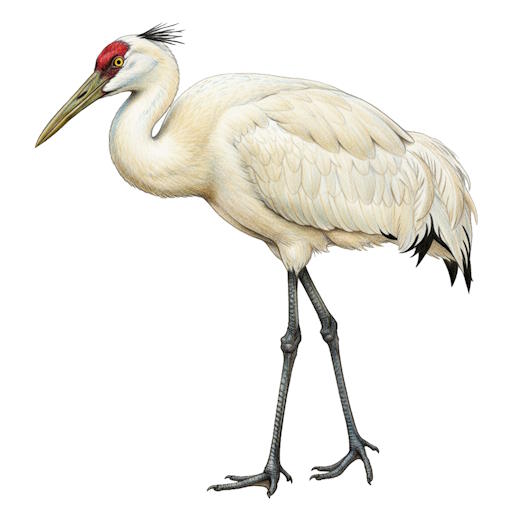
Animals in the family of Gruidae
Click on an image to learn more about one of the animals.