Animal Family: Hylidae
About the Hylidae Family
The parent order is Anura.
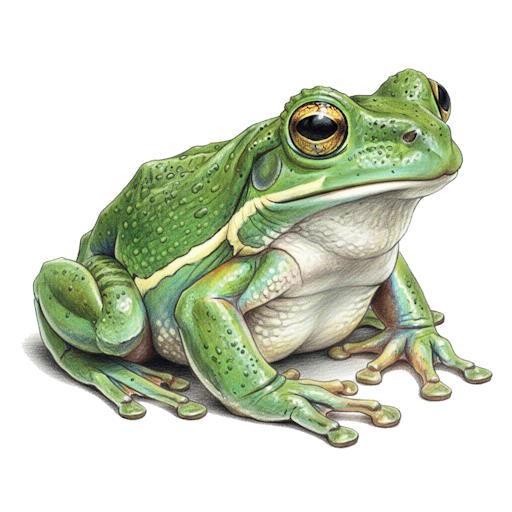
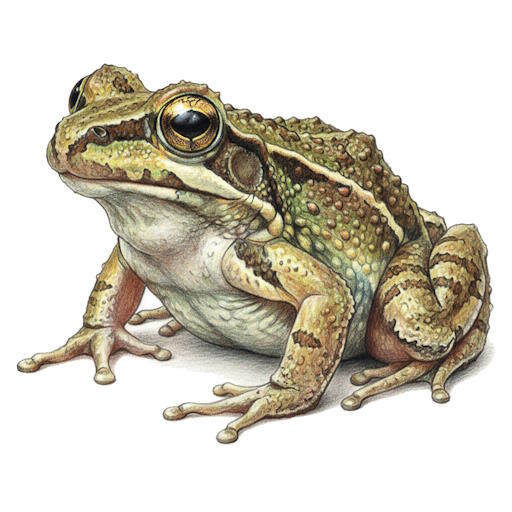
Step into the diverse and often colorful world of the Hylidae family, commonly known as tree frogs. This expansive group of amphibians is celebrated for its incredible variety in size, shape, and habitat, making them a fascinating subject for zoologists and nature enthusiasts alike.
What makes Hylidae truly unique is their remarkable adaptions for arboreal life. Many species possess specialized toe pads that allow them to cling to smooth surfaces, enabling them to navigate trees and other vegetation with impressive agility. This adaptation sets them apart from many other frog families that are primarily ground-dwelling or aquatic.
Animals within the Hylidae family share several common traits. Beyond their often slender bodies and long limbs suited for climbing, they typically exhibit forward-facing eyes, providing excellent binocular vision for hunting insects. Their skin, while varying in texture and color, is generally smooth and moist, facilitating cutaneous respiration. Many species also possess a vocal sac in males, used for their characteristic calls during breeding seasons. From the small, delicate glass frogs to the robust American green tree frog, the Hylidae family showcases an extraordinary evolutionary success in adapting to life above the forest floor.
Other Orders
There are many different orders based upon their class. To learn more about classification orders, click here.
Genera within Hylidae
Within the order of Hylidae, there are one or more genus of animals that share common characteristics and traits.
Each genus represents a more specific grouping within the order, highlighting the diversity and specialization of species that have adapted to various ecological niches. Below is a list of genera that fall under this order, showcasing the rich variety of life forms classified within this taxonomic category.
Litoria
Pseudacris
Animals in the family of Hylidae
Click on an image to learn more about one of the animals.