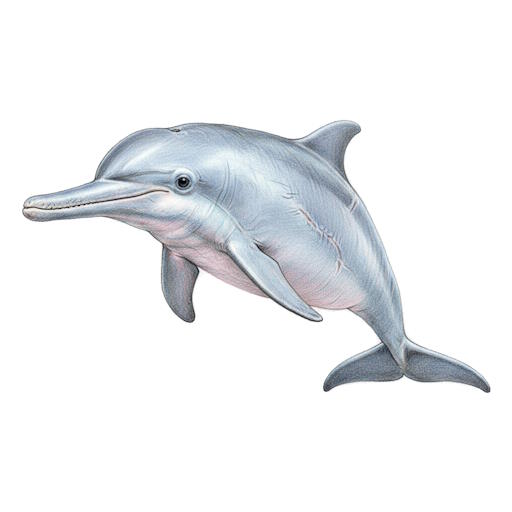
Animal Family: Lipotidae
About the Lipotidae Family
The parent order is Cetacea.
Delve into the enigmatic world of the Lipotidae family, a fascinating group of freshwater dolphins known for their unique adaptations to specific riverine environments. While this family tragically includes only one extant species, the critically endangered Baiji, its evolutionary history and specialized traits offer valuable insights into aquatic mammal diversity.
What makes Lipotidae truly unique is their extreme specialization for freshwater living. Unlike many oceanic dolphins, members of this family have evolved specific anatomical and physiological features to thrive in murky river systems. These common traits include a highly developed echolocation system to navigate in low visibility, reduced eyesight, and a long, slender rostrum filled with numerous teeth, perfectly adapted for catching fish in their riverine habitats. Their streamlined bodies and powerful tails also enable efficient movement through strong currents.
The Lipotidae family represents a distinct lineage within the toothed whales, showcasing remarkable evolutionary convergence with other freshwater dolphin groups found in different continents. Their existence highlights the incredible adaptability of cetaceans to diverse aquatic environments, even as it underscores the urgent need for conservation efforts to protect these unique and vulnerable species.
Other Orders
There are many different orders based upon their class. To learn more about classification orders, click here.
Genera within Lipotidae
Within the order of Lipotidae, there are one or more genus of animals that share common characteristics and traits.
Each genus represents a more specific grouping within the order, highlighting the diversity and specialization of species that have adapted to various ecological niches. Below is a list of genera that fall under this order, showcasing the rich variety of life forms classified within this taxonomic category.
Lipotes
Animals in the family of Lipotidae
Click on an image to learn more about one of the animals.