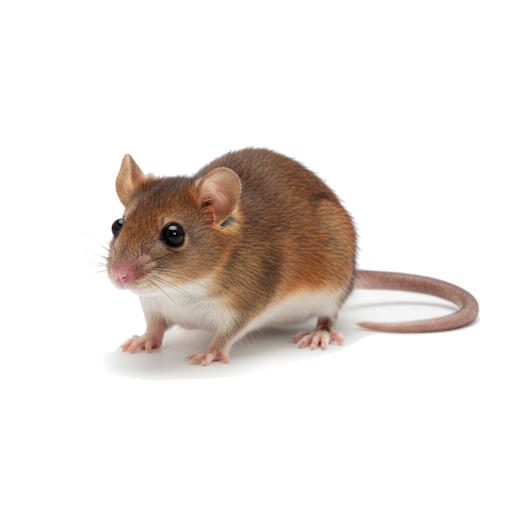
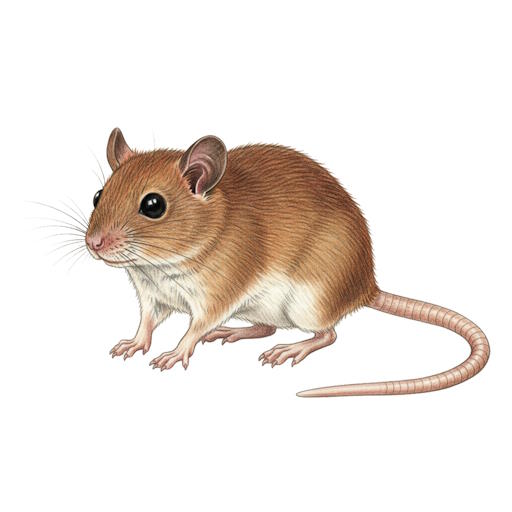
Animal Family: Muridae
About the Muridae Family
The parent order is Rodentia.
Explore the incredibly diverse and ubiquitous family of animals known as the Muridae. This family represents the largest family of mammals, encompassing a vast array of species including common rats, mice, and various other rodents. Their remarkable adaptability and reproductive success have allowed them to colonize nearly every terrestrial habitat on Earth, making them one of the most successful mammalian groups.
What truly sets Muridae apart is their incredible evolutionary flexibility and rapid rate of speciation. They are characterized by their typically small size, generalized body plan, and highly efficient gnawing incisors that continuously grow. Common traits among Muridae members include their omnivorous diets, often keen senses of smell and hearing, and their ability to reproduce quickly, leading to large population sizes. While often associated with human environments, many Muridae species play crucial roles in their native ecosystems as seed dispersers, prey for various predators, and even as ecological engineers.
Other Orders
There are many different orders based upon their class. To learn more about classification orders, click here.
Genera within Muridae
Within the order of Muridae, there are one or more genus of animals that share common characteristics and traits.
Each genus represents a more specific grouping within the order, highlighting the diversity and specialization of species that have adapted to various ecological niches. Below is a list of genera that fall under this order, showcasing the rich variety of life forms classified within this taxonomic category.
Melomys
Animals in the family of Muridae
Click on an image to learn more about one of the animals.