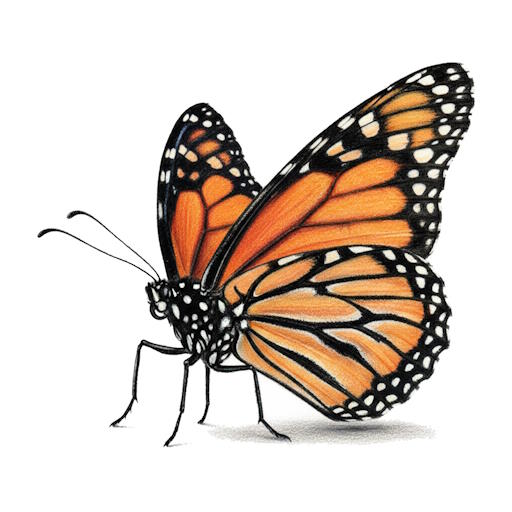
Animal Family: Nymphalidae
About the Nymphalidae Family
The parent order is Lepidoptera.
Step into the vibrant world of the Nymphalidae family, commonly known as brush-footed butterflies. This is one of the largest and most diverse families of butterflies, recognized globally for their stunning array of colors, patterns, and fascinating life cycles. They are a beloved and highly visible group within insect ecosystems worldwide.
What truly sets Nymphalidae apart is their unique characteristic of having reduced forelegs that are not used for walking, giving them their "brush-footed" moniker. These forelegs are often hairy and held close to the body, serving various sensory functions. This family also exhibits an incredible diversity in wing shape, size, and coloration, ranging from the iridescent blues of morphos to the iconic orange and black of monarch butterflies. Many species are known for their strong flight and migratory behaviors.
Common traits among Nymphalidae members include a robust body, a short, often clubbed antenna, and a varied diet as adults, with many feeding on nectar, sap, rotting fruit, or even animal dung. Their caterpillars often have spines or elaborate horns, and the chrysalises can be quite striking, sometimes mimicking leaves or twigs for camouflage. The family encompasses a wide range of subfamilies, each with its own distinctive features and ecological roles, from forest dwellers to open-field inhabitants. Their beauty and ecological importance make them a captivating subject for zoologists and nature enthusiasts alike.
Other Orders
There are many different orders based upon their class. To learn more about classification orders, click here.
Genera within Nymphalidae
Within the order of Nymphalidae, there are one or more genus of animals that share common characteristics and traits.
Each genus represents a more specific grouping within the order, highlighting the diversity and specialization of species that have adapted to various ecological niches. Below is a list of genera that fall under this order, showcasing the rich variety of life forms classified within this taxonomic category.
Danaus
Animals in the family of Nymphalidae
Click on an image to learn more about one of the animals.