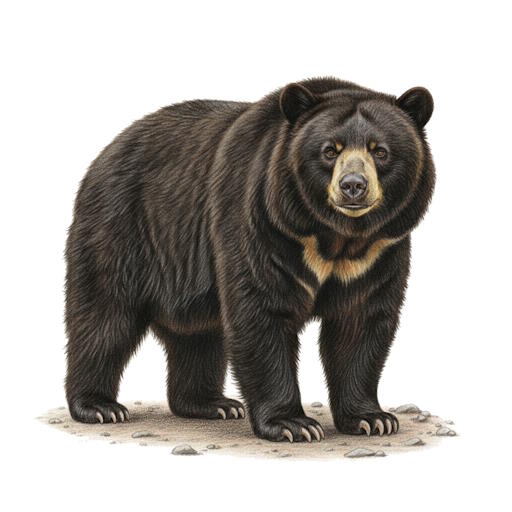
Animal Family: Ursidae
About the Ursidae Family
The parent order is Carnivora.
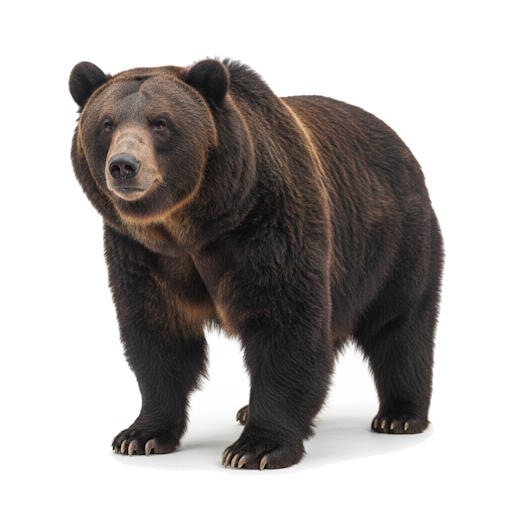
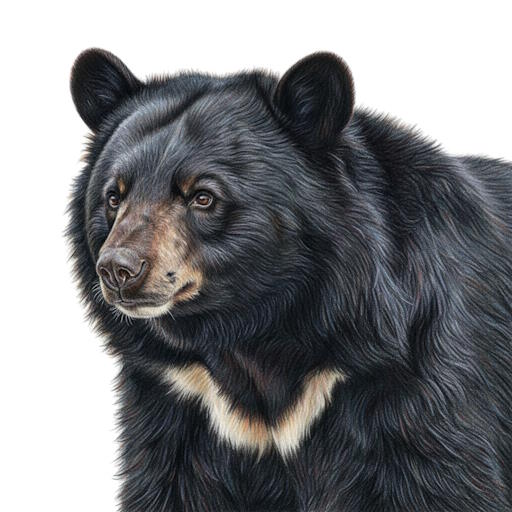
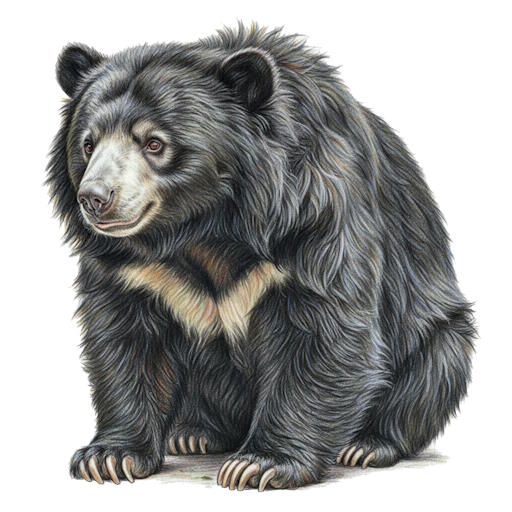
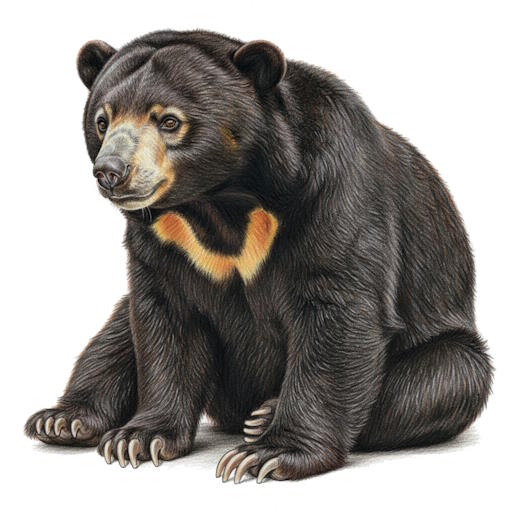
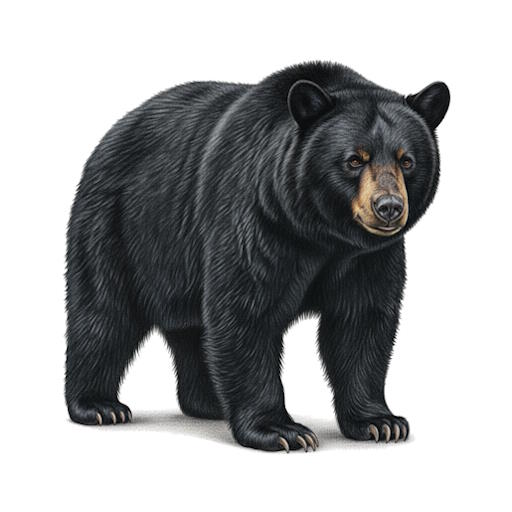
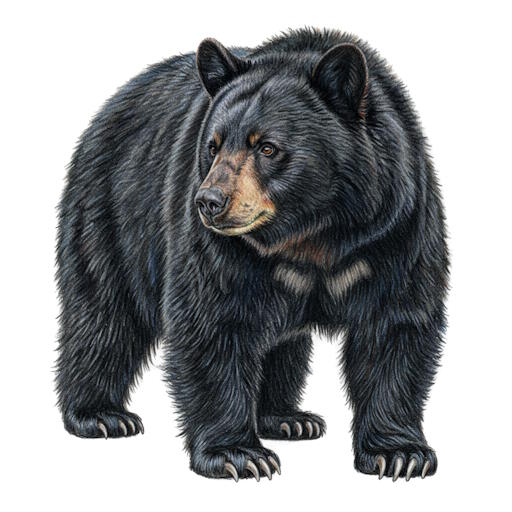
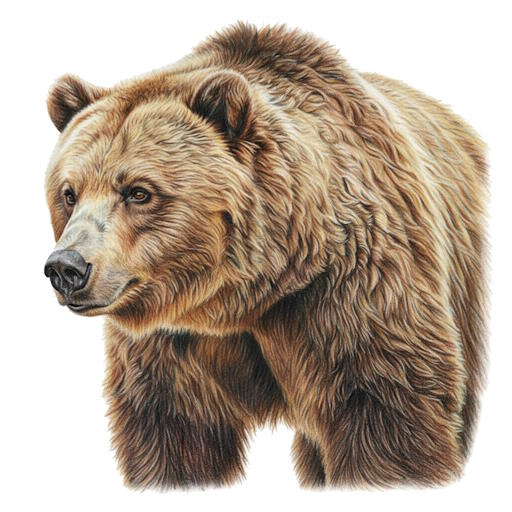
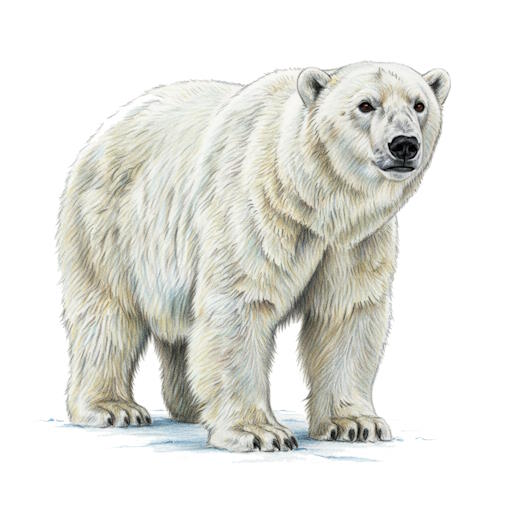
Delve into the captivating world of the Ursidae family, commonly known as bears. This iconic group of mammals is renowned for its diverse species, imposing presence, and remarkable adaptations to a wide range of habitats across the globe.
What makes Ursidae truly unique is their blend of powerful physical characteristics and adaptable behaviors. Most bears possess a robust build, short tails, and strong limbs with large claws, making them adept at climbing, digging, and powerful locomotion. Their dentition is characteristic of omnivores, with teeth suitable for both tearing meat and grinding plant material, although the exact diet varies significantly between species.
A common trait among animals in the Ursidae family is their generally solitary nature, although this can vary, particularly during mating seasons or when mothers are raising cubs. They are also known for their keen senses of smell and hearing, which are crucial for finding food and detecting threats in their environments. Many bear species exhibit some form of hibernation or winter lethargy, entering a state of reduced metabolic activity to conserve energy during periods of food scarcity.
Other Orders
There are many different orders based upon their class. To learn more about classification orders, click here.
Genera within Ursidae
Within the order of Ursidae, there are one or more genus of animals that share common characteristics and traits.
Each genus represents a more specific grouping within the order, highlighting the diversity and specialization of species that have adapted to various ecological niches. Below is a list of genera that fall under this order, showcasing the rich variety of life forms classified within this taxonomic category.
Helarctos
Melursus
Tremarctos
Ursus
Animals in the family of Ursidae
Click on an image to learn more about one of the animals.