Agricultural areas
Agricultural areas are landscapes significantly altered by human activity for the cultivation of crops and the raising of livestock. These transformed environments are among the most widespread terrestrial habitats on Earth, playing a crucial role in supporting human populations through food production. Far from being barren, agricultural areas often host a surprising diversity of life, adapted to the specific conditions created by farming practices.
The characteristics of an agricultural habitat vary greatly depending on the type of farming, climate, and geography. Crop fields, for instance, are dominated by monocultures or limited varieties of plants, often arranged in neat rows. These areas can support various insects, birds, and small mammals that feed on the crops or the insects attracted to them. Traditional farming methods, which often incorporate diverse crops and practices like hedgerows or small woodlots, tend to support a greater range of biodiversity than large-scale industrial agriculture.
Livestock farming, including pastures and rangelands, also shapes agricultural habitats. Grasslands managed for grazing provide sustenance for herbivores and in turn support predators and scavengers. The presence of farm buildings, barns, and fences can offer nesting sites and shelter for certain species. Water sources, such as irrigation canals or ponds used for livestock, can become vital habitats for aquatic insects, amphibians, and waterbirds.
However, agricultural areas also face significant ecological challenges. Intensive farming practices, including the widespread use of pesticides and fertilizers, can negatively impact soil health, water quality, and local wildlife populations. Habitat fragmentation, resulting from the conversion of natural landscapes into farmland, can isolate species and reduce overall biodiversity. The removal of natural features like wetlands and forests further diminishes the ecological value of these areas.
Despite these challenges, sustainable agricultural practices are gaining traction, aiming to balance food production with environmental conservation. Practices like organic farming, agroforestry, and integrated pest management can enhance biodiversity within agricultural landscapes. By promoting healthier soils, reducing chemical inputs, and creating buffer zones or wildlife corridors, agricultural areas can become more resilient and contribute to the broader ecological network. Understanding the dynamics of these human-modified habitats is essential for developing strategies that ensure both food security and ecological well-being.
Other Habitats
There are lots of other habitats to explore. Check out all of our habitats for more info.
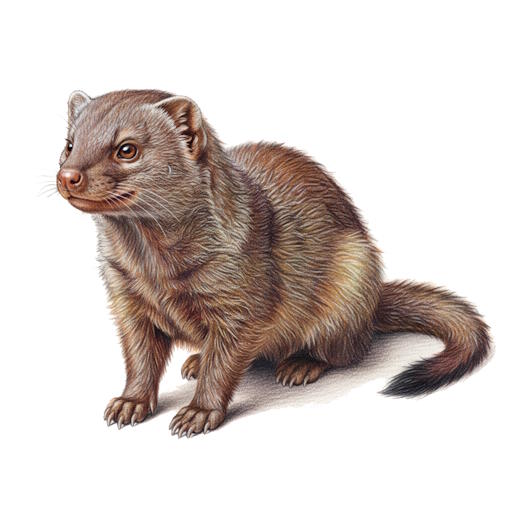
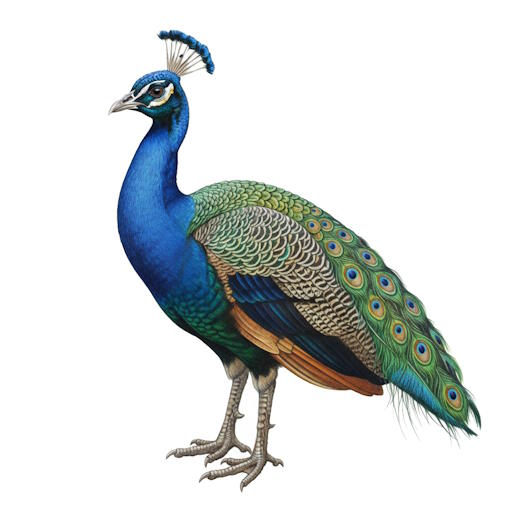
Animals which live in Agricultural areas Habitat
Click on an image to learn more about one of the animals.