Alpine
Alpine habitats are characterized by their high elevation, typically above the tree line, where harsh environmental conditions prevail. These extreme environments, found in mountain ranges across the globe, including the Rockies, Alps, Himalayas, and Andes, are defined by low temperatures, strong winds, intense solar radiation, and a short growing season. Despite these challenges, alpine regions support a unique and remarkably resilient array of plant and animal life.
The vegetation in alpine habitats is often low-growing, mat-forming, and adapted to withstand the cold and wind. Common plant species include cushion plants, sedges, grasses, and small flowering herbs that hug the ground to avoid harsh winds and utilize the warmth of the soil. Many alpine plants have evolved special adaptations like hairy leaves or vibrant colors to protect themselves from UV radiation and maximize heat absorption.
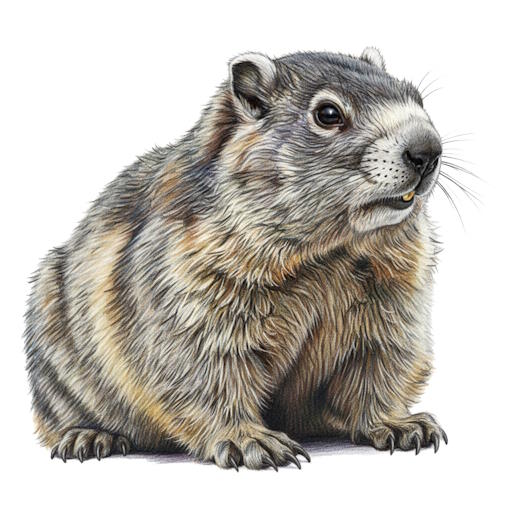
Animal life in alpine ecosystems is equally specialized. Mammals such as mountain goats, bighorn sheep, and marmots are well-adapted to the rocky terrain and sparse vegetation, often possessing thick coats for insulation. Birds like the ptarmigan change their plumage with the seasons to blend into their snowy or rocky surroundings. Insects, too, have developed strategies to survive the cold, often having dark colorations to absorb more heat.
Alpine habitats play a crucial role in global biodiversity and water cycles, acting as natural water towers that store snow and ice and release freshwater to lower elevations. They are also highly sensitive to climate change, with rising temperatures leading to glacier melt, permafrost thaw, and shifts in plant and animal distributions. Conservation efforts in these fragile ecosystems are vital to protect their unique flora and fauna and the critical services they provide.
Other Habitats
There are lots of other habitats to explore. Check out all of our habitats for more info.
Animals which live in Alpine Habitat
Click on an image to learn more about one of the animals.