Alpine Grasslands
Alpine grasslands are high-altitude ecosystems found above the treeline, typically between 2,500 and 3,500 meters (8,200 to 11,500 feet) in elevation, though this can vary depending on latitude and local climate. These unique habitats are characterized by harsh environmental conditions, including low atmospheric pressure, intense ultraviolet radiation, strong winds, short growing seasons, and significant daily and seasonal temperature fluctuations.
Despite these challenges, alpine grasslands support a surprising diversity of life. The dominant vegetation consists of various grasses, sedges, forbs, and cushion plants that have adapted to the extreme conditions. These plants often exhibit specialized features such as compact growth forms, deep root systems, and hairy leaves to conserve moisture and withstand cold. Examples include various species of fescue, bluegrass, mountain avens, and saxifrages. The short growing season, typically lasting only a few months, necessitates rapid growth and flowering cycles for these resilient plants.
The fauna of alpine grasslands is equally specialized. Mammals like marmots, pikas, mountain goats, and bighorn sheep are well-adapted to the cold and rugged terrain, often possessing thick coats, insulating layers of fat, and physiological adaptations for high-altitude living. Bird species such as the alpine accentor, ptarmigan, and various raptors are also common. Insects, including various beetles, butterflies, and grasshoppers, play crucial roles in pollination and nutrient cycling within these ecosystems. Many alpine species exhibit unique behaviors, such as hibernation or migration, to cope with the long, harsh winters.
The ecological importance of alpine grasslands extends beyond their biodiversity. They serve as critical water sources, acting as natural reservoirs that collect snow and ice, slowly releasing meltwater into downstream river systems. This makes them vital for human populations and ecosystems at lower elevations. Furthermore, their relatively pristine nature makes them important indicators of climate change, as alterations in temperature and precipitation can profoundly impact their delicate balance. Conservation efforts are crucial to protect these vulnerable habitats from threats such as global warming, overgrazing, and human disturbance, ensuring the continued survival of their unique flora and fauna.
Other Habitats
There are lots of other habitats to explore. Check out all of our habitats for more info.
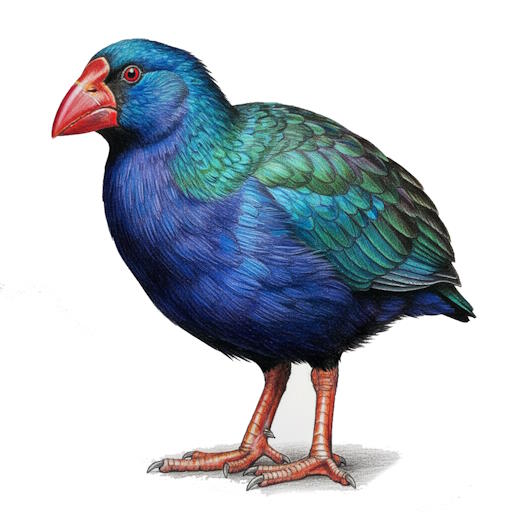
Animals which live in Alpine Grasslands Habitat
Click on an image to learn more about one of the animals.